







Mortar Tubs and Mortar Bins
Mortar tubs, also called mortar bins, are used on building sites to transport, store and dispose of mortar, cement, concrete, plaster and mud. The range is made from polyethylene, with rigid walls and lifting points built for daily handling by telehandler, forklift and crane, and most tubs are UV protected for life outdoors. The 500 litre crane lift mortar tub is the largest in the range: a rigid tub for lifting mortar through the air to upper floors and into frames. For work at ground level and onto scaffold lifts, the forklift mortar tubs stack when empty, take forks in the base and come in a choice of sizes.

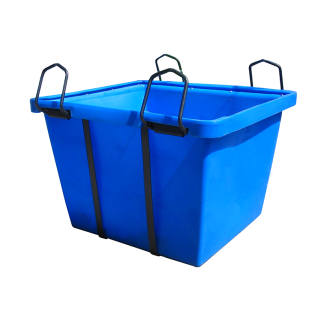
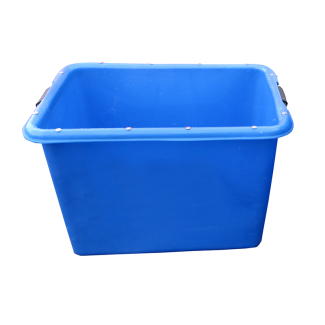
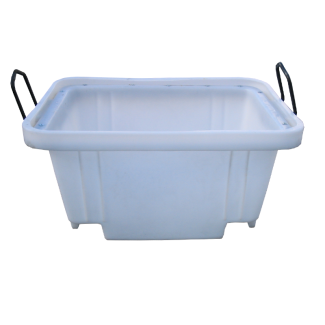
Forklift mortar tubs and crane lift mortar bins
Mortar tubs and mortar bins in the range divide first by how they are lifted, and then by how they are built for the handling they get.
Forklift mortar tubs
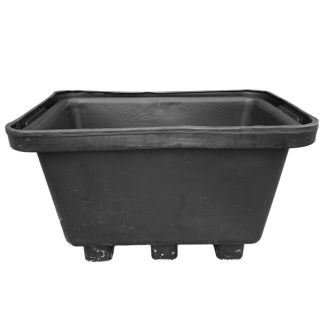
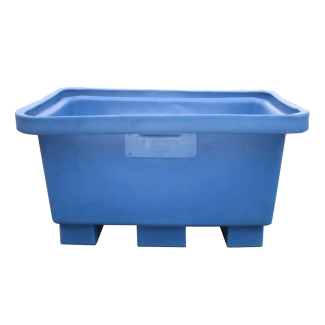
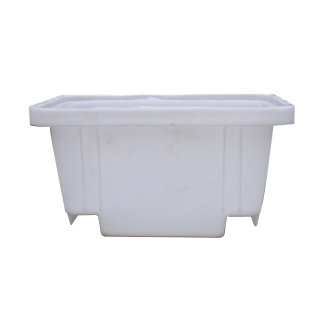
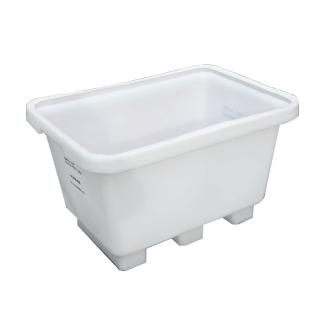
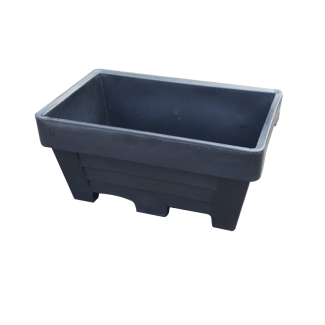
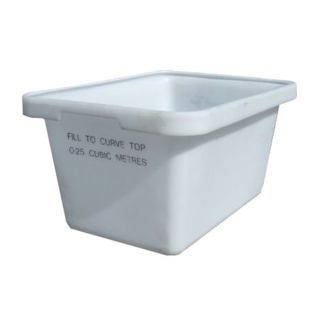
Forklift mortar tubs have fork channels or ridged feet in the base. They are the everyday choice where a telehandler or site forklift moves mortar around the compound and up onto scaffold lifts. They stack when empty, so a full set for a bricklaying gang takes little room on the lorry and in the yard. The 250 litre eco forklift mortar tub is the same everyday format, UV protected for storage outdoors.
Fork and crane lift mortar tubs
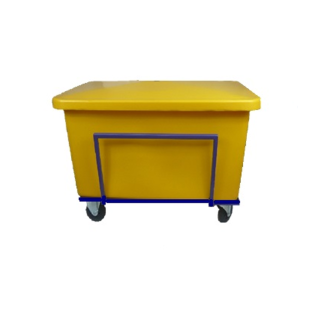
A fork and crane lift mortar tub takes forks under the base and a crane hook or chains at the top, so one tub can travel across the site by telehandler and up to the higher floors by crane. It suits sites where both kinds of plant are working and tubs pass between them during the day. The top and base lift mortar tub works on the same principle, lifted either from its top or from its base, and comes in more than one size.
Rim lift and flat bottom tubs
The rim lift and pallet lift tub has a flat bottom, so it sits level on a slab, a boarded platform or a pallet, and it is lifted by the rim or carried on a pallet by forks. Choose it where the tub stays in one place for long periods as a mixing or holding station, or where a level base matters more than fork channels built into the tub.
Twin skin mortar tubs
A twin skin mortar tub is built with two layers of polymer, which gives the walls and base more material to take knocks from forks, shovels and drops onto hardcore. It is the choice for a tub that is lifted, filled and emptied every day across a long job, or for a set of tubs that moves between several sites.
Crane lift mortar tubs
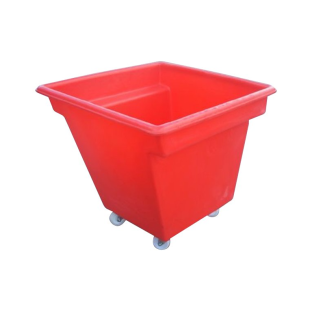
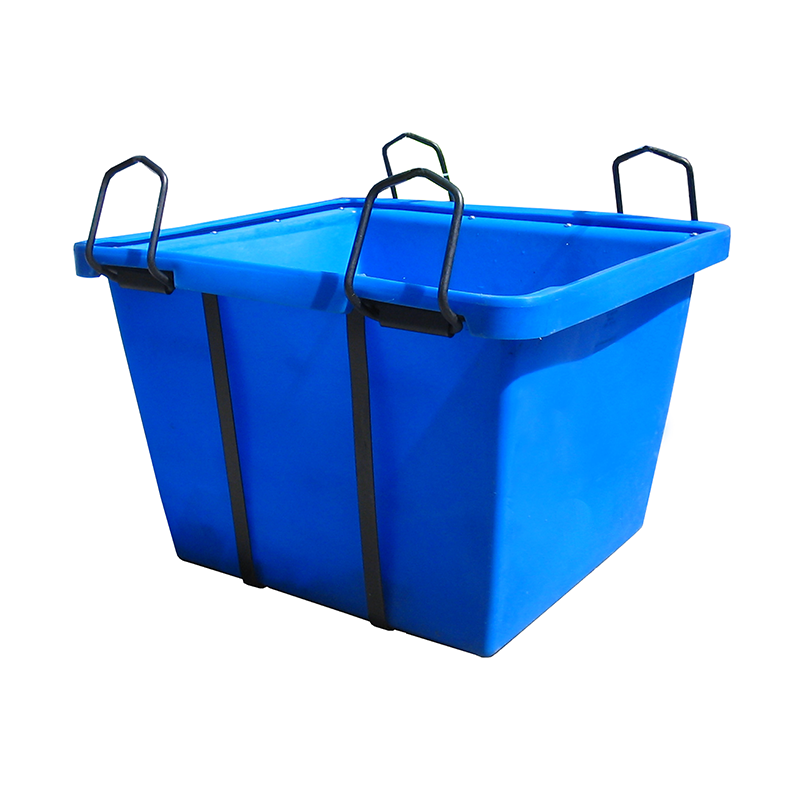
Crane lift mortar tubs have lifting points or a lifting frame made for a crane hook and chains. They are for mortar, plaster and concrete that has to travel over a building, onto an upper floor or down inside a frame, and the crane lift range includes the largest tubs in the category for gangs working at height.
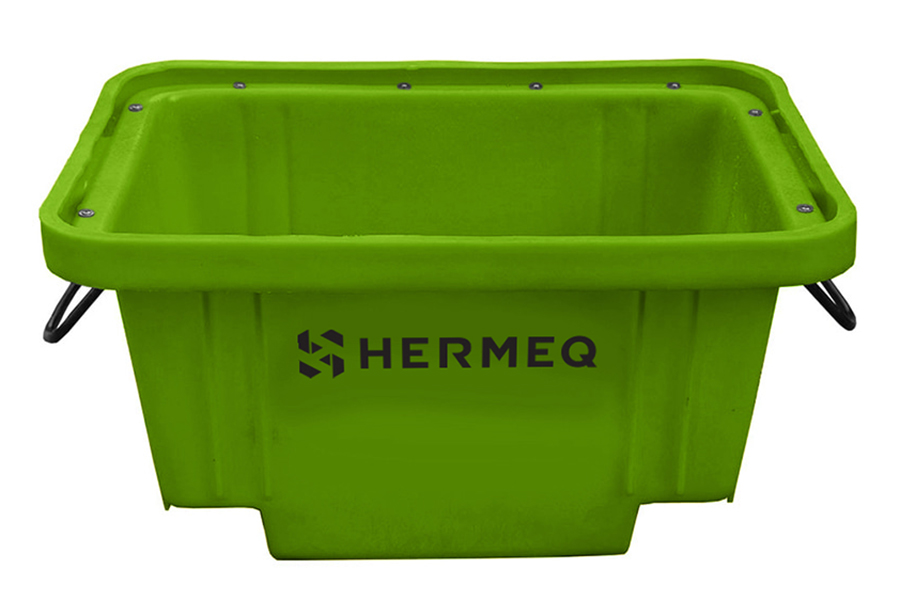
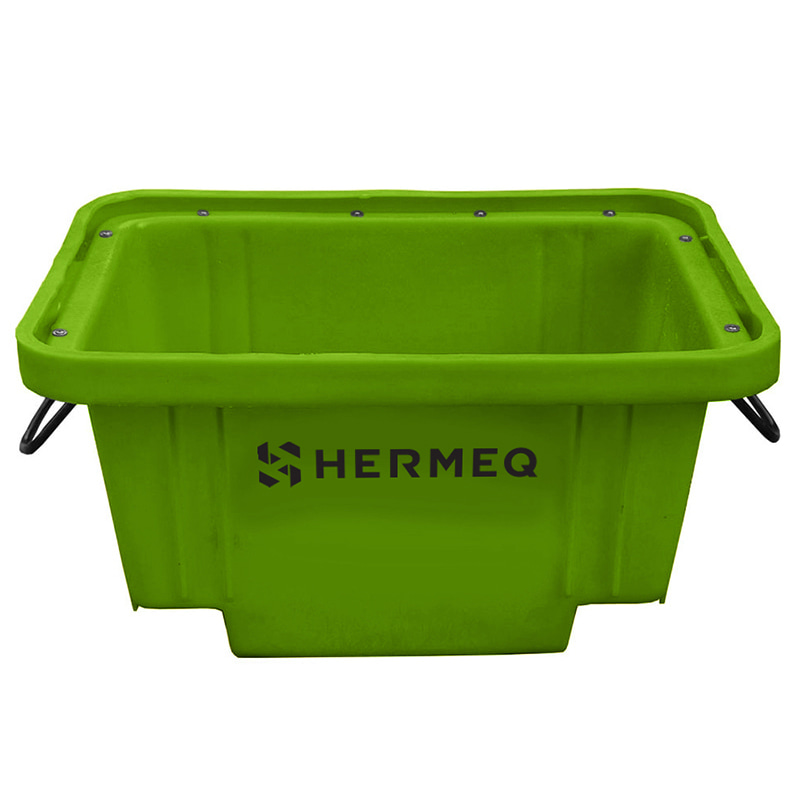
Forklift or crane lift mortar tub
The plant on site and the place the mortar has to reach decide it. Where a telehandler or forklift does the moving, and the mortar goes around the compound or onto scaffold lifts within the telehandler's reach, a forklift tub is the simpler and more economical choice. Where a tower crane or mobile crane handles materials, and the mortar has to reach upper floors, go over the roof line or drop inside a steel or timber frame that forks cannot get into, a crane lift tub is the right one.
A forklift-only tub has no crane lifting points and must never be slung from a hook or chained at the rim, so any tub that will go under a crane has to be a crane lift or dual-lift tub.
Mortar, plaster and concrete
Every tub in the range carries wet materials, and the material decides how the tub is placed, filled and kept clean.
Bricklaying and blocklaying mortar
On a scaffold lift the tub stands close to where the bricklayers are working, so mortar is shovelled onto the boards without a long carry, and several tubs spread along the lift keep the load off one point.
Plaster and render
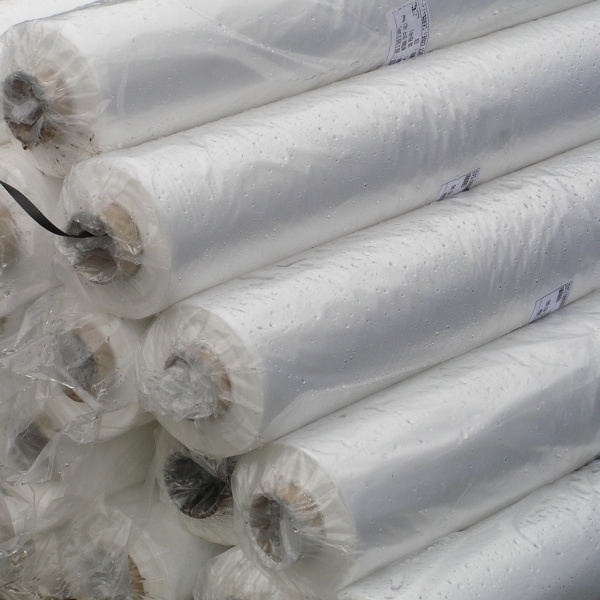
Plaster and render lose workability quickly if they skin over or are mixed on top of residue from the last batch, so the tub has to be clean before each mix and covered when work pauses. Mortar tub liners fit inside the tub for these materials.
Concrete and cement
A tub is a practical vessel for mixing small batches of concrete, such as post footings, kerb haunching or patch repairs, where setting up a mixer is not worthwhile.
Mortar tub sizes and construction
Once the lift method is chosen, what remains is the size of the tub, what it is made of and how the set is stored.
Capacity from 250 to 500 litres
The range runs from the forklift tubs up to the largest crane lift mortar tub. Size them by how much mortar the gang lays before a mix stiffens, since a large tub left half used on a warm day ends in waste, and by what the telehandler or crane can lift with the tub full at the reach the job needs. Smaller tubs suit forklift work along the scaffold, and the larger crane tubs suit lifts at height where fewer movements save crane time.
Recyclable HDPE and steel-framed tubs
The black forklift mortar tub is made from fully recyclable HDPE and covers general forklift handling around the compound and onto the scaffold. For buyers looking for a steel mortar tub, the Universal Crane Lift tub with a galvanised steel frame is the choice for repeated crane lifting: the steel frame takes the lift and the polyethylene tub holds the mix.
Stacking and storing tubs between jobs
Mortar left in the base of a tub sets and bonds the stack together, so each tub is cleaned before it goes on the stack. UV-protected tubs can stand outside between jobs, and a stack stored upside down on level ground sheds rain and keeps the fork channels clear of standing water and debris.
Popular Categories

Acrow Props
View Products >

Builders Trestles
View Products >

Building Equipment
View Products >
Frequently Asked Questions
Yes. Mortar tub, mortar bin and mortar bucket are all used for the same open container that holds mixed mortar on site.
Fill it only to its safe working load, never to the brim: the fork and crane lift tub, for example, is tested to 500 kg for its 250 litres. Wet mortar and concrete are heavy, so a tub filled to the top can weigh more than its safe working load and more than the plant can lift at reach.
The chains, slings and hooks used to lift a tub are lifting accessories, and the Safety, Health and Welfare at Work (General Application) Regulations 2007 cover their examination. Before each lift, check the tub's frame, handles and fork channels for cracks, splits, bent steel or loose fixings, and take a damaged tub out of use. On a construction site the lift is planned with the PSCS alongside the other crane lifts.
A mortar tub liner is a large plastic bag that sits inside the tub and holds the mix, so mortar and plaster do not stick to the tub's sides. It also holds water in the mix, which keeps plaster and mortar usable for longer. Once the tub is empty, the liner comes out with the residue in it and the tub is clean for the next batch.
Wash tubs out with water and a stiff brush at the end of each day, before any mortar left in them sets. Once it has hardened, turn the tub over and strike the base and sides with a rubber mallet, which flexes the polyethylene and cracks the mortar free. Avoid steel chisels and spades, because scored plastic grips mortar more firmly the next time.