







Trench Cover Plates
HERMEQ supplies trench cover plates for footpaths, driveways, roads and site excavations: pedestrian footway boards, driveway boards rated for a vehicle wheel, composite road plates for vehicles up to 44 tonnes and steel plates for heavy plant. Laid over an open trench during groundworks or a utility connection, each cover keeps pedestrians and vehicles moving across the excavation and away from its open edge. For gaps wider than a cover can span, temporary bridges give people on foot a railed crossing.






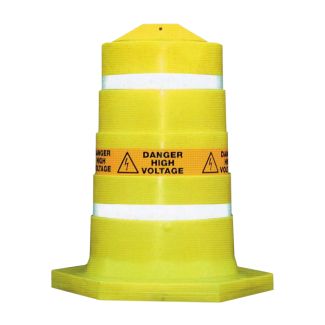
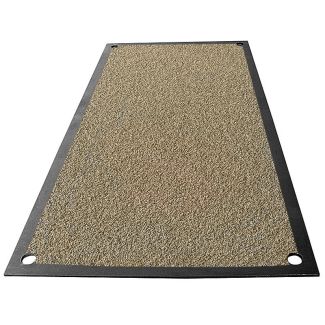
Pedestrian, driveway and road trench covers
The range is grouped by what crosses the trench: people on foot, a car or van at a driveway, or road traffic and site plant.
Pedestrian trench covers and footway boards
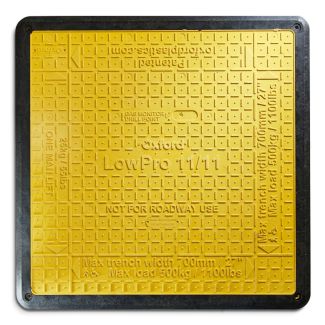
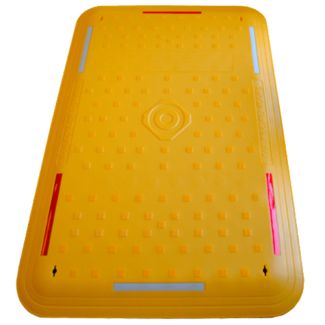
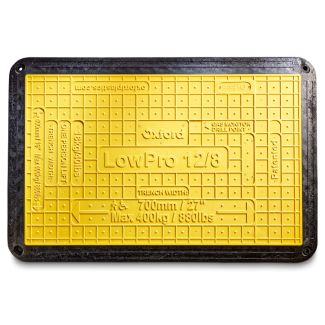
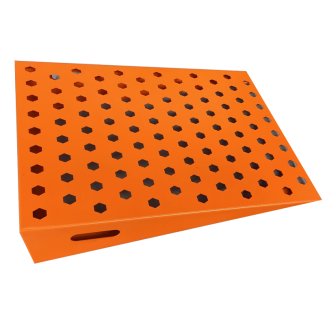
Pedestrian trench covers, which the trade also calls footway boards, walk boards or pedestrian hole covers, carry foot traffic over the narrow excavation left by a gas, water, electricity or fibre connection on a footpath. The plastic trench cover and the Tuff Tread footway board suit footpaths and site walkways where the public or site staff walk past open works. The LowPro 11/11 trench cover is the choice for a finished footpath where the cover should lie without fixings. The LowPro 12/8 composite trench cover takes vehicles up to 1.6 tonnes as well as pedestrians, which suits shared entrances used by cars.
Driveway trench cover boards
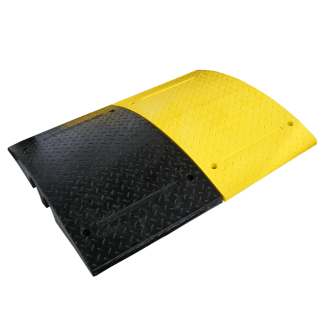
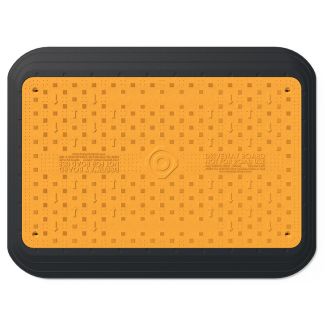
Driveway boards keep a house, shop or yard entrance open while a service connection is laid across it, so residents and deliveries can still drive in during the works. The driveway trench cover board has a flexible edge and suits block paving, tarmac or concrete driveways that the contractor does not want to drill. The driveway board has a PVC skirt for grip and fixing holes for sites where it can be bolted down. Both carry the wheels of a car or van, and heavier lorries and plant belong on a road plate.
Composite road plates
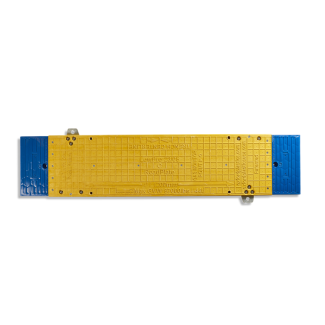
Composite road plates, also called GRP or plastic road plates, take road traffic over a trench in modular sections that link into a run. They suit road crossings and site entrances over utility trenches, where the plates move on as the trench advances. The 44 tonne composite road plate covers narrower utility trenches, and the LowPro 23/05 road plate is the composite system for wider trenches under the same heavy traffic.
Steel trench covers and road plates
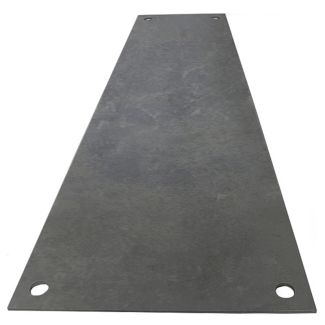
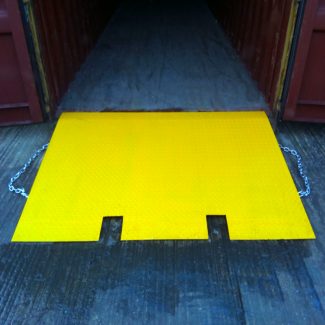
Steel is the traditional heavy duty trench plate for groundworks and civils, and the range runs from 6 mm to 25 mm thick. Long rectangular steel trench cover plates lie along a long, narrow trench such as a cable or drainage run, so fewer plates cover its length. Square and wider steel road plates cover road crossings, excavations at site entrances and openings in car parks where lorries and plant pass.
Temporary manhole covers
An open manhole between stages of drainage work is a different opening from a trench, and a spare footway board or an offcut of ply laid over it can leave gaps at the edges or shift underfoot. The temporary manhole cover is a plastic cover designed by groundworks contractors for open and exposed manholes on site.

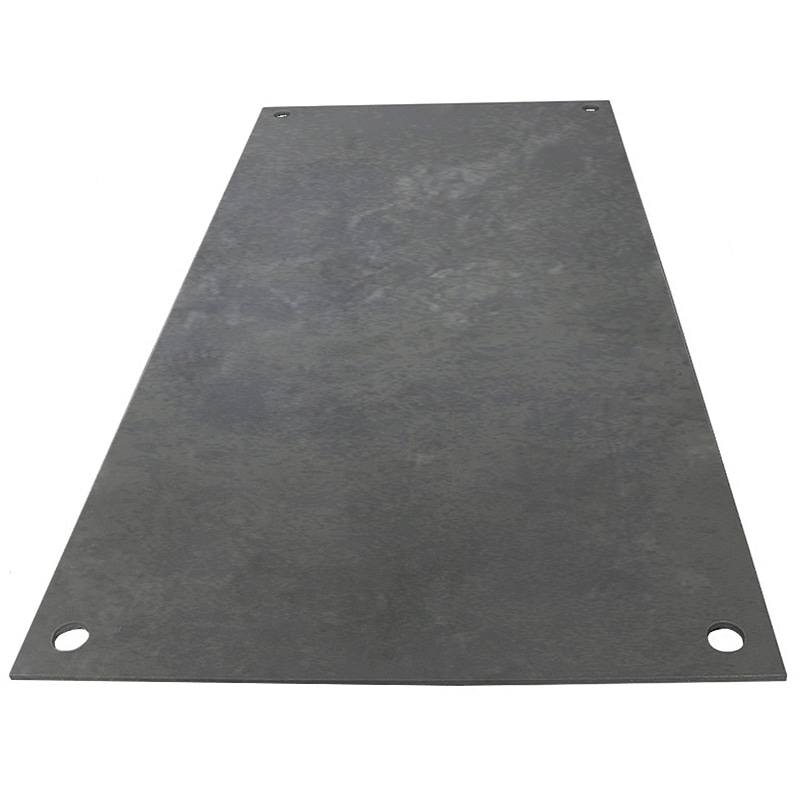
Steel or composite trench cover plates
Composite and plastic covers suit footpaths, driveways and lighter traffic, where covers are placed by hand and moved on to the next stretch as each length of a utility run is reinstated. Composite road plates bring hand placement to the road, as a crossing for heavy vehicles that a small gang can lay, lift and move without plant. Steel is the choice where heavy plant and lorries work on site and lifting plant is already there, for long narrow trenches covered by long plates, and for plates left in a live road for weeks under constant traffic.
Among steel plates, the finish is chosen for grip and for traffic noise. Plain steel road plates are the standard plate for site and road crossings. Anti-skid road plates have a resin and bauxite coating that gives tyres and footwear grip in wet conditions, and anti-slip road plates have a coarse bonded aggregate surface for the same reason. Road plates with chamfered edges slope at the edges, so wheels roll on and off more smoothly and the plate makes less noise under passing traffic.
Load ratings, trench widths and fixing
Rated load over the trench span
The LowPro covers and composite road plates are rated over a stated trench width, from 400 kg on the LowPro 11/11 up to 44 tonne vehicles on the composite road plates. A cover carries its rating over the span it was rated for, so measure the trench at its widest point at the surface and choose a cover rated for that width or more. The rating also assumes firm, undisturbed ground carrying the cover on both sides: where an edge has crumbled or been loosely backfilled, the real span is wider than the tape shows. The driveway trench cover board is rated for one wheel of a vehicle, so a car or van crossing the trench needs a board under each wheel line.
Bolted or free-laid covers
The plastic trench cover has fixing holes and is bolted to the ground, and the driveway board has fixing holes for the same purpose. Bolting suits a cover that stays in one place for the length of a job, on a site surface or a footpath already due for reinstatement, where the fixings hold it in place under traffic. The LowPro footway and driveway covers have a flexible edge that holds them against movement and, in most cases, lets them lie without anchoring. Choose them for finished block paving, tarmac or concrete that should not be drilled, and for works that move along a street each day.
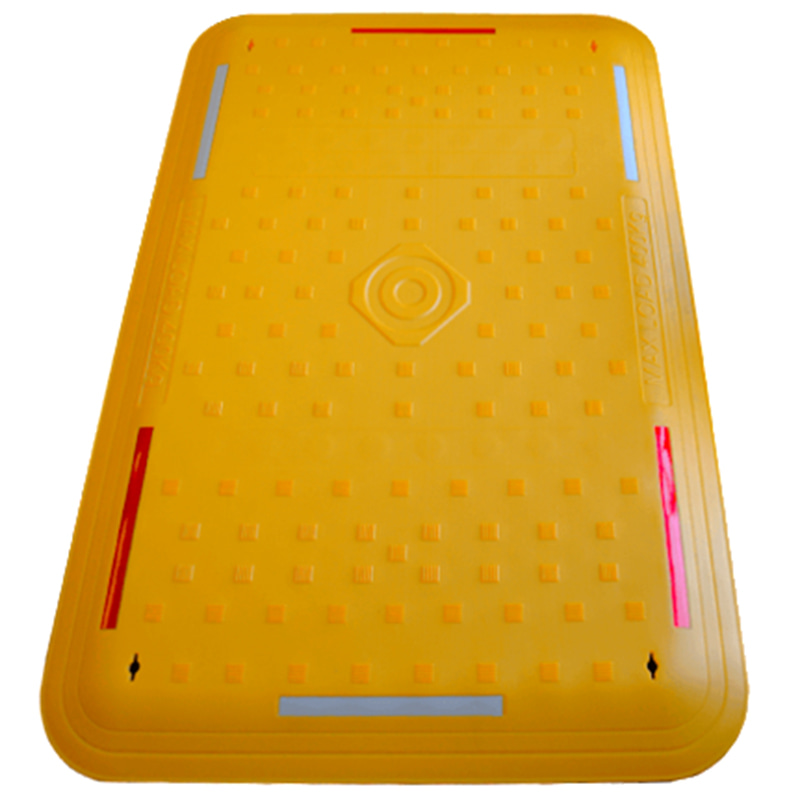
Cable ramps, hose ramps and trench bridges
Cable protectors and cable ramps
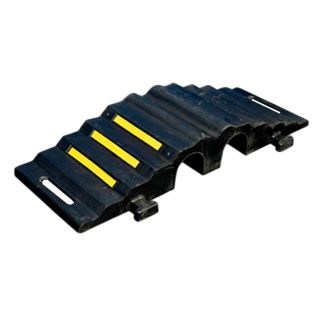
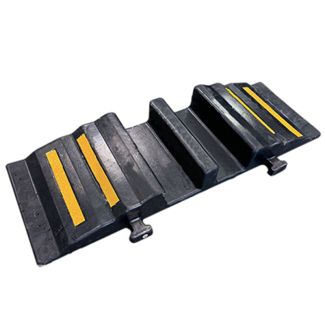
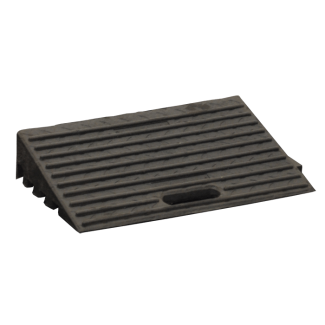
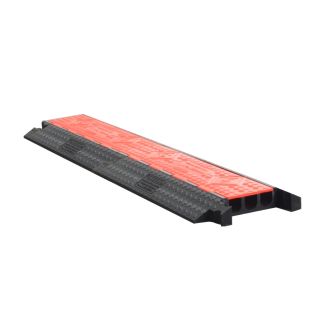
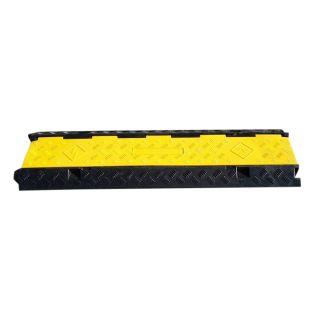
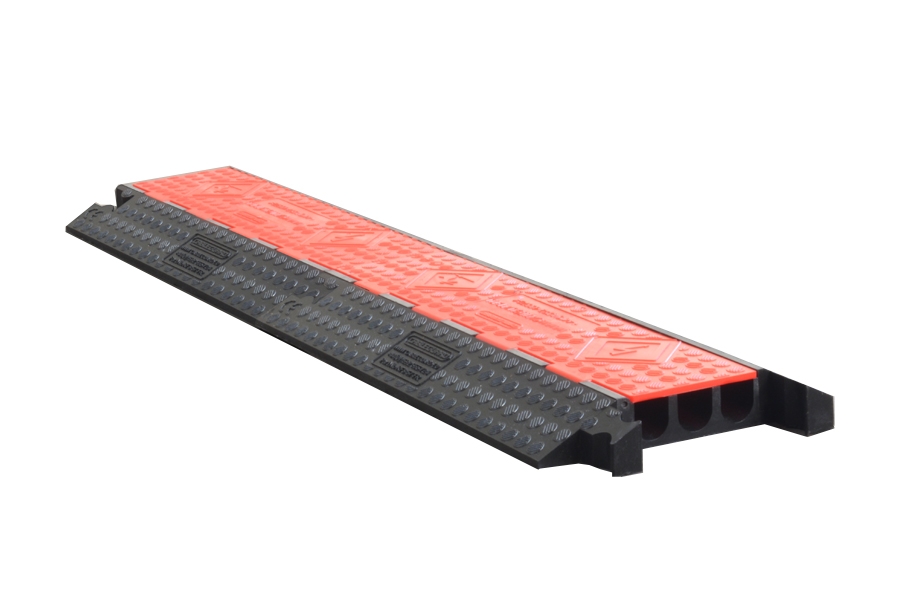
Cable ramps carry power and data cables across a walkway or road in enclosed channels, so the cable is protected and the crossing has no loose lead to trip on. Heavy duty cable protectors are made for pedestrian traffic and low-volume vehicle traffic. Cable guard ramps run cables across private roads and pedestrian walkways at sites and events. For larger cables and pipes, the cable and hose cover ramp has a bigger channel, and free-standing cable covers are placed over exposed cables, plain or printed with a warning.
Hose and pipe ramps
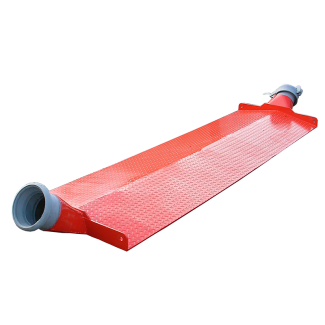
Rubber hose and cable ramps, in open and closed designs, protect hoses and cables in yards, industrial units and car parks. Where a pump has to move water or sewage across a road during dewatering or overpumping, the water pipe road ramp carries the flow through the ramp while the road stays open to vehicles, with connector types to match the pump hose.
Pedestrian trench bridges
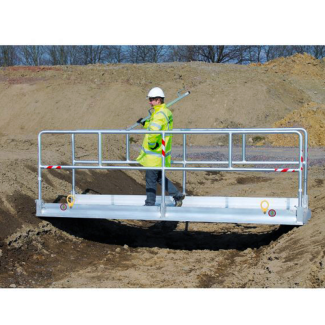
When the gap is wider than any cover in the range, or a deep excavation, ditch or canal has to be crossed on foot, a bridge is the right product. The railed trench bridge has an aluminium handrail, an anti-slip floor and an access ramp for wheelchairs. The aluminium trench bridge has a galvanised steel frame and the same wheelchair ramp. For heavy-duty construction use, the Passerelle temporary footbridge comes in lengths up to 6 metres, and the full choice is in temporary bridges.
Popular Categories

Vehicle Access Mats & Track Mats
View Products >

Road Plates
View Products >

Timber Mats
View Products >
Frequently Asked Questions
A trench cover closes the opening, but it is only one part of the temporary traffic management at works on a public road or footpath. Those works are planned, signed and guarded to Chapter 8 of the Department of Transport's Traffic Signs Manual, which sets out how the work area, the signs and any pedestrian route past the works are laid out. The covers form part of that pedestrian or vehicle route, alongside the barriers and signs the traffic management plan for the works calls for.
Plastic and composite covers have hand holds and are placed by hand: the lighter pedestrian covers by one person, and the sections of modular composite road plates by two. Steel plates have a lifting eye in each corner for chains from an excavator or crane, and the anti-skid plates can also be lifted with a magnetic lifter.
Modular composite road plates are built to link: inner sections join to make up the length of the crossing, and end sections finish each run. Pedestrian covers and driveway boards are laid end to end along the trench, each one spanning its width with firm ground under both long edges.
Yes, where the ground either side of the trench is firm enough to carry the cover and whatever crosses it. On soft grass or wet ground the edges can sink under load, which narrows the bearing and can lift an edge into a trip hazard. For vehicle routes across soft ground away from the trench, ground protection mats spread the load, and the trench cover sits on firm bearing within that route.
The plastic trench cover is made from virgin high density polyethylene and is fully recyclable at the end of its life. The Tuff Tread footway board has a PVC skirt made from recycled material, which is itself recyclable.