







Road Plates
HERMEQ supplies road plates that let pedestrians and vehicles pass over trenches, excavations and other openings while groundworks, utility connections and road maintenance are carried out. The steel range covers plain, chamfered edge, anti-skid and anti-slip road plates, the hi-vis Safe Plate, the Safe Lift plate, long steel trench covers and square hole covers. Composite trench covers and driveway boards complete the range, from footway boards for pedestrians up to a modular plate for heavy goods vehicles.
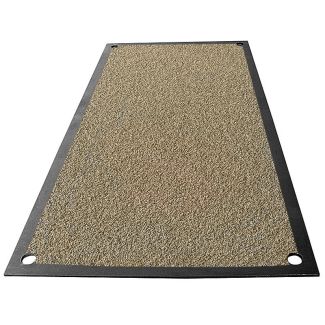
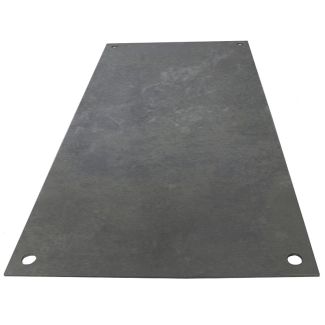
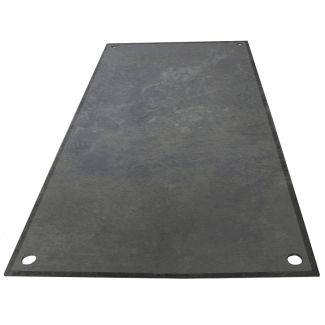
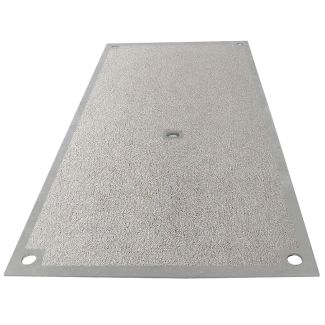





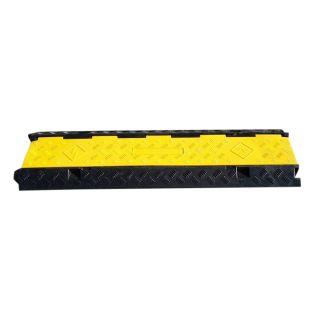
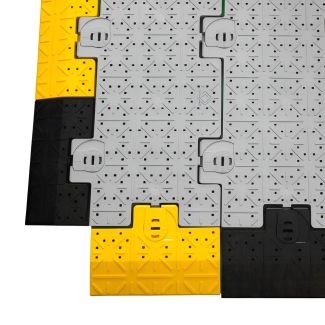
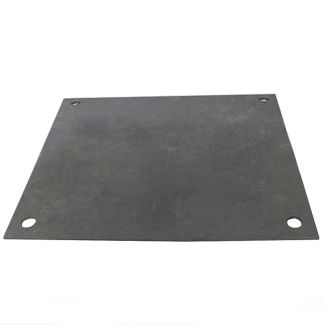
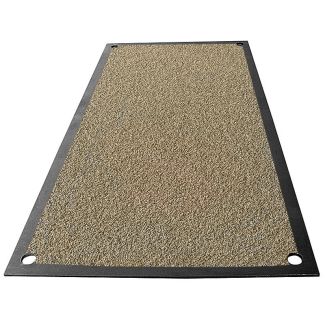
Steel road plates and trench plates
Across the steel range, the surface finish and the edge profile decide which plate suits a crossing, and both follow from what passes over the plate and where it sits.
Plain steel road plates
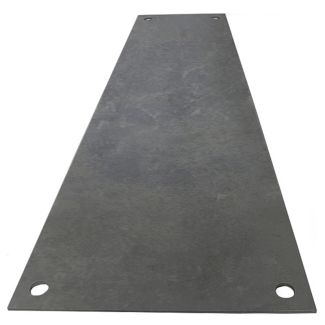
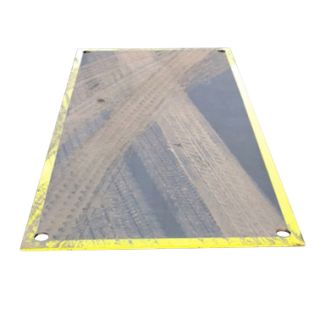
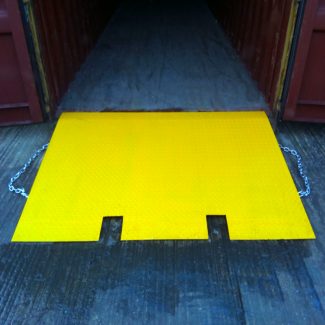
An uncoated plate is the general purpose choice for site entrances, haul roads and trench crossings inside the site boundary, where plant and site vehicles do most of the crossing. Plain steel road plates come in a wide spread of sizes and gauges, so they are the usual starting point when the job is to bridge an opening of known size.
Chamfered edge road plates
Where a plate sits in a running lane, chamfered edge road plates give tyres a sloped transition onto the steel in place of a square step. The gentler edge reduces the impact and the noise of each vehicle crossing, and it is the edge to choose on busy urban roads and residential streets.
Anti-skid road plates
The anti-skid finish is a resin and bauxite coating bonded to the steel. It gives tyres and boots grip on a surface that would otherwise be smooth, and slippery in the wet. Choose anti-skid road plates where vehicles brake, turn or pull away on the plate, such as at junctions, site gates and on gradients.
Anti-slip road plates
The anti-slip finish is a coarse aggregate bonded to the plate surface for grip on routes used by pedestrians and vehicles alike. Anti-slip road plates suit crossings where people on foot and traffic share the same plate, such as a footpath opening at a site entrance or a shared yard.
High visibility road plates
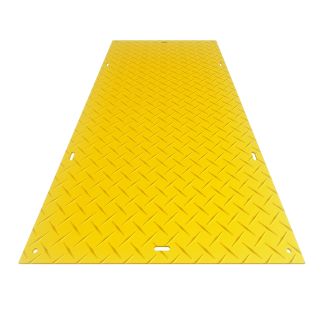
The hi-vis Safe Plate pairs an anti-slip surface with high visibility paint on the lip, so the raised edge stands out to people walking and to drivers. It is made for pedestrianised streets and slow traffic areas, where the edge of the plate is the main hazard to people on foot.
Safe Lift road plate
The Safe Lift road plate has a lifting point in the centre as well as at each corner, with an anti-skid surface. It suits crews who lift and relay plates through the working day and prefer a single lift point to rigging all four corners.
Steel trench covers for long runs
Steel trench covers are long, rectangular mild steel sheets for narrow excavations such as cable ducts, pipe runs and drainage trenches. Their shape follows the line of the trench, so a run is covered with fewer sheets and less steel overhanging the sides than square plates would need.
Steel hole covers
Steel hole covers, also called steel plate manhole covers, are square plates for manholes, chambers, gullies and other small openings. They stop debris falling into the hole and give a stable surface across it while the chamber is built or worked on.

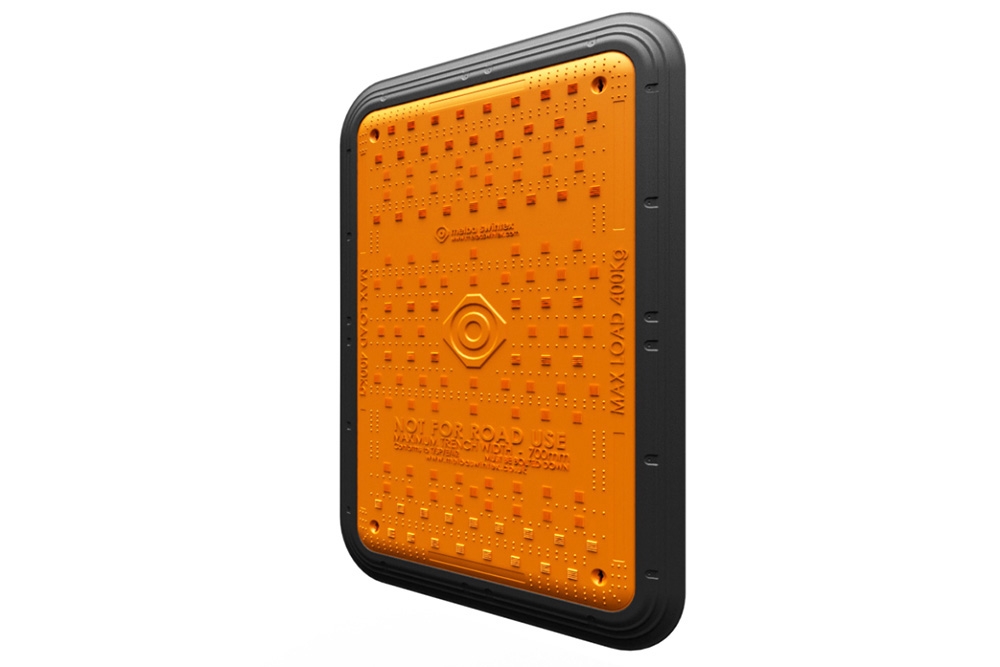
Composite trench covers and plastic road plates
The composite and plastic covers step up in load from foot traffic to heavy goods vehicles, so the choice starts with the heaviest thing that will cross the trench and how wide the trench is.
Pedestrian trench covers and footway boards
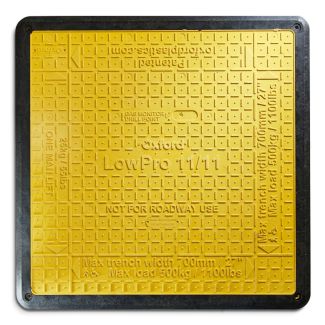
For a narrow trench across a footpath that must stay open, the Tuff Tread footway board is a single-person lift with a skirt made from recycled PVC. The LowPro 11/11 pedestrian trench cover has a flexible edge that lowers the trip hazard and resists movement underfoot. Both are laid by hand, and further pedestrian covers and foot ramps sit in the foot ramps and trench covers range.
Vehicle trench covers
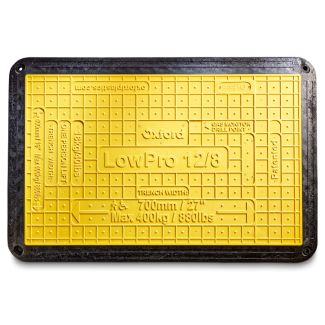
The LowPro 12/8 vehicle trench cover carries pedestrians and vehicles up to 1.6 tonnes over a 700mm trench. It is a lightweight composite with an anti-skid surface, laid by hand without plant, and it is the composite alternative to a steel plate at a yard gate, car park or forecourt.
Driveway boards
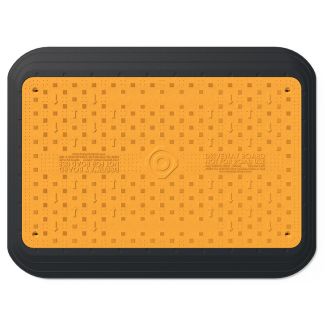
Service connections leave trenches across the entrances to homes and businesses, and driveway boards keep those entrances open to residents' cars and vans. The driveway trench cover board is a composite board with a flexible edge. The driveway board is made from polyethylene and recycled PVC, with anti-trip edges, an anti-slip pattern and a PVC skirt for grip.
Modular composite road plate
The modular composite road plate is a modular system of inner and end sections, tested to a vehicle weight of 44 tonnes over a 700mm trench. Each section is light enough for two people to place, so a crossing for heavy goods vehicles can be built up along the trench without a crane or excavator and extended with further sections as the trench grows.
Temporary manhole cover
The temporary manhole cover is a plastic cover designed by groundworks contractors to close off manholes left open on site.
Steel or composite road plates
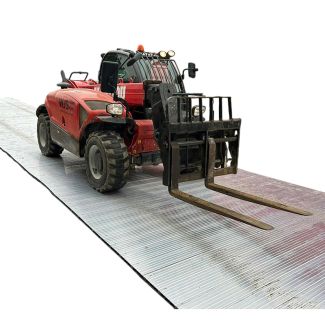
Steel is the right choice when an excavator, crane or lorry loader is on site to place the plates, when the opening is wide, irregular or changes shape as the dig goes on, and when the crossing carries continuous heavy traffic. A steel sheet bridges any opening it spans with firm ground either side, and the same plate can move from a road crossing to a manhole to a site entrance as the job changes.
Composite is the right choice when a crew must lay and lift covers by hand, the trench is a known width, such as a service connection or a cable run, and the cover sits on a footpath, driveway or street beside the public. Each cover is matched to a trench width and a load, its edges sit low against the surface, and a set of covers travels in a van to the next job.
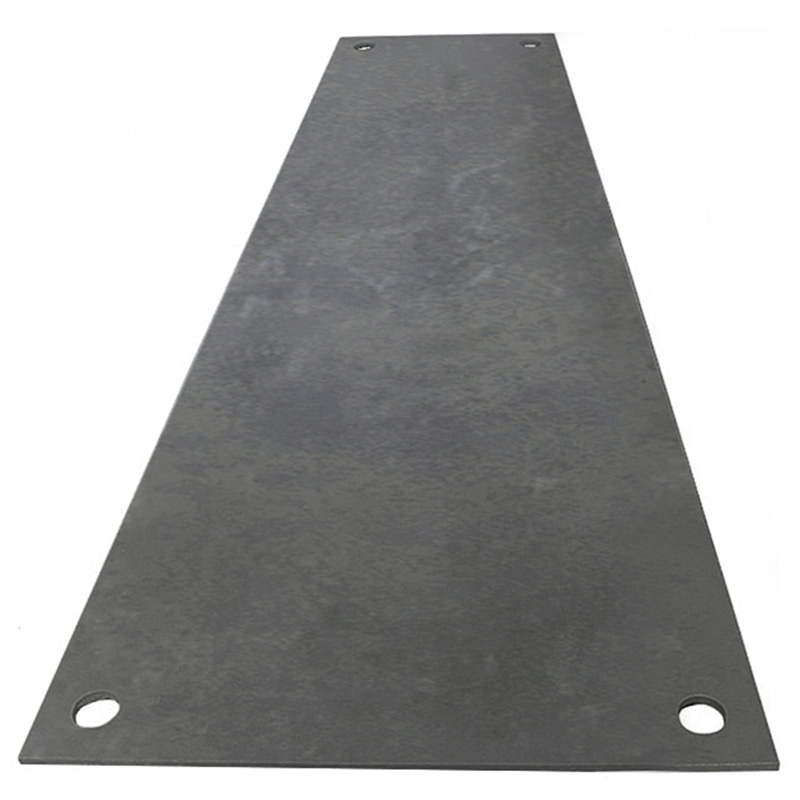
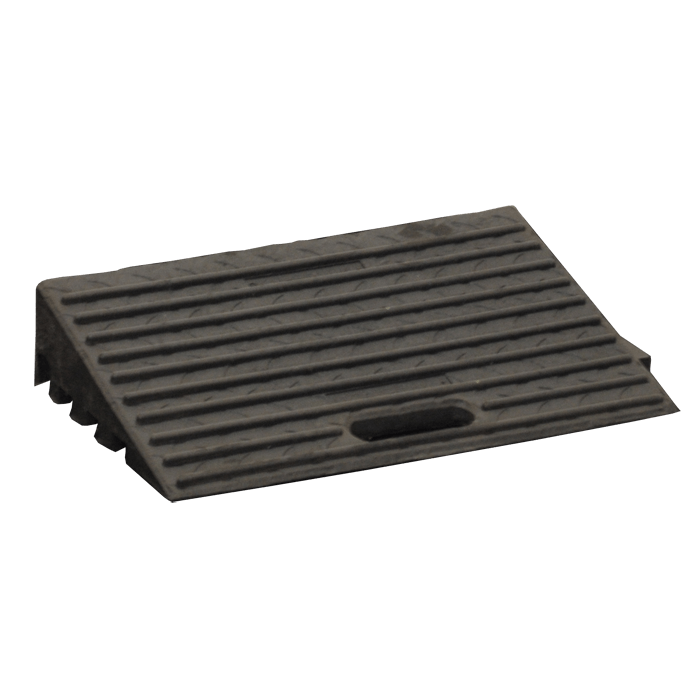
Road crossing plates for roadworks, driveways and footpaths
What matters at a crossing depends on who uses it once the plate or cover is down.
Road openings and carriageway crossings
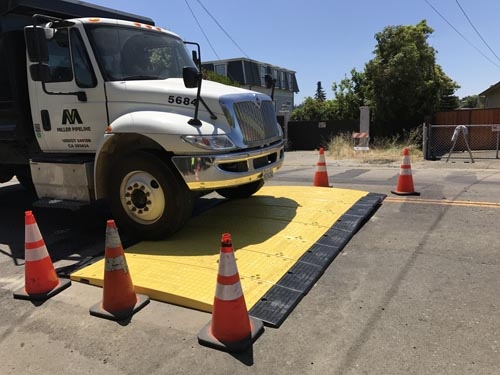
On a live road, the plate must bear on sound road surface either side of the opening and be held so that braking, turning and accelerating traffic cannot make it creep. The opening is made under a road opening licence from the local authority, and the signing, lane layout and any speed limit around it are planned to Chapter 8 of the Department of Transport's Traffic Signs Manual.
Driveways and property entrances
Water, gas, electricity and broadband connections put trenches straight across driveways, and residents still need to get their cars in and out each morning and evening. Here a flush cover with a flexible edge matters as much as the load: the cover must be easy to drive onto in a low car, and it must leave no gap at the sides where a wheel could drop.
Footpaths and pedestrianised streets
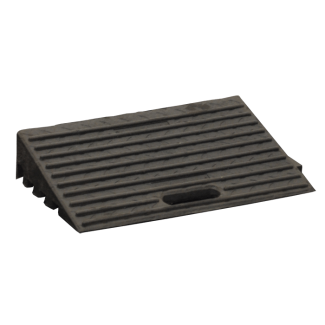
On footpaths and in pedestrianised streets, the edge of the cover is the main hazard, met without warning by people walking, pushing buggies or using wheelchairs. Where the route steps down from the footpath to the road, a kerb access ramp gives wheelchairs and barrows a way up the kerb.
Pump hose and cable crossings
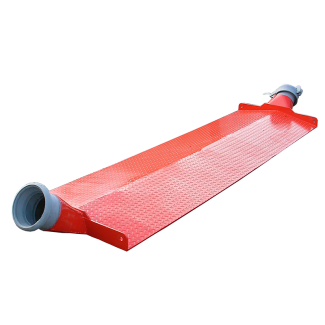
When a pump hose or cable has to cross a road with no excavation beneath it, the crossing calls for a ramp in place of a plate. Cable guard ramps carry cables in covered channels across private roads and walkways. For overpumping, the water and sewage pipe road ramp carries pumped water or sewage across a road or pathway while vehicles keep driving over it.
Road plate sizes and thicknesses
Trench width and bearing
A plate carries its load into the ground at its edges, so it needs firm, undisturbed ground on both sides of the trench, clear of any broken or slumping edge. Measure the opening at its widest point at surface level and size the plate with bearing to spare on each side, allowing more where the trench sides are soft or the trench is likely to widen as work goes on. Where the problem is soft ground across a whole area, with no opening to bridge, ground protection mats or bog mats carry the traffic in place of plates.
Thickness and traffic
Steel across the range runs from 6mm to 25mm. The lighter gauges suit foot traffic, light vehicles and narrow runs, and the heavier gauges are for plant, lorries and road traffic over wider openings, where the plate must span further under a heavier wheel. Each product page lists the gauges that plate is made in.
Sheet size and handling
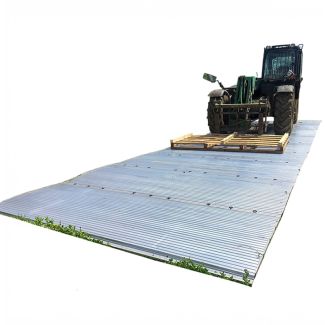
Sheets run up to 3000 x 1500mm. A larger sheet covers more of the opening in one lift and leaves fewer joints for traffic to cross, but it also sets the plant needed to place it and the lorry needed to bring it to site. Choose the largest sheet the plant on site can lift and set down accurately, and cover a long trench with a run of sheets laid end to end and butted tight so no gap opens between them.
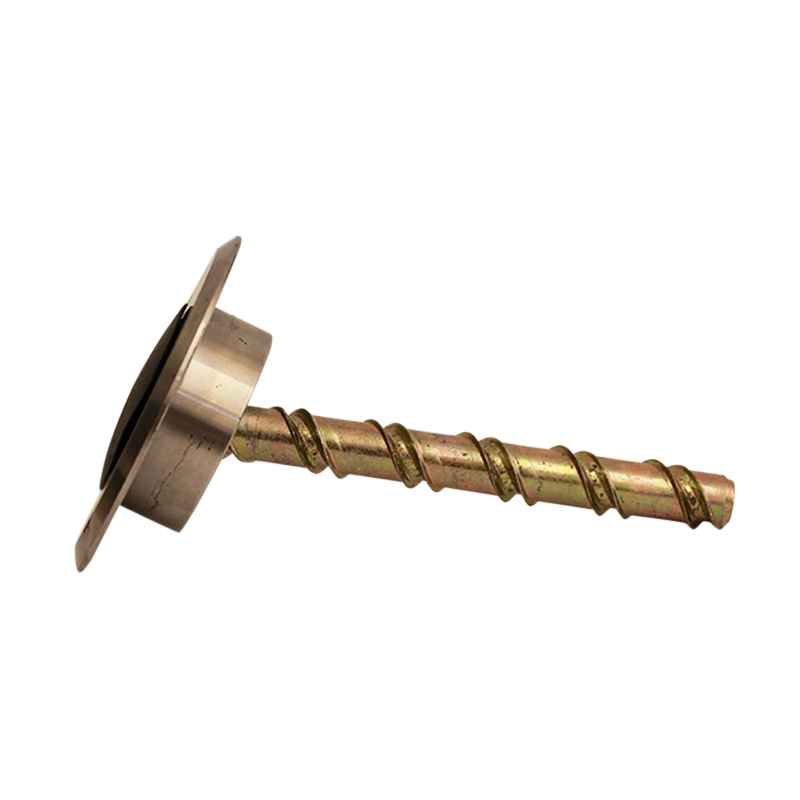
How to secure steel road plates
Securing collars and bedding
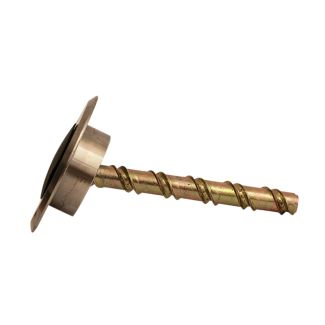
A plate is bedded first, so it sits flat on the surface either side of the opening with no rock under load. High spots are taken off, and on a road the edges are commonly ramped with a bedding or cold-lay material so tyres meet no step and the plate is held against creep. Road plate securing collars then fasten the plate through its holes. The collars need lifting or securing holes of 65 to 80mm, so check the hole diameter on the plate's listing before ordering them.
Lifting and moving plates
Most steel plates in the range have a lifting eye in each corner for a four-leg chain sling, and the anti-skid and Safe Lift plates are listed as compatible with magnetic lifting tools. The Safe Lift plate is lifted at its centre point with its own adaptor and single leg chain. Chains, adaptors and magnetic lifters are lifting equipment under the Safety, Health and Welfare at Work (General Application) Regulations 2007, so they are thoroughly examined by a competent person at the intervals the regulations set, and the record of each examination is kept.
Popular Categories

Vehicle Access Mats & Track Mats
View Products >

Timber Mats
View Products >

Trench Cover Plates
View Products >
Frequently Asked Questions
A road plate is usually a square or broad steel sheet laid over an excavation so that vehicles and pedestrians can cross it, and the trade also calls them trench plates, steel crossing plates and road crossing plates. A trench cover is shaped for a narrow run, either as a long steel sheet or as a composite cover matched to a trench width and a load. The two terms overlap, and both types sit in this range.
The 8x4 plate is an imperial size of eight feet by four feet. The nearest sheets in the range are the 2500 x 1250mm plates, made in plain, anti-skid, anti-slip and hi-vis finishes and as steel trench covers, and the Safe Lift road plate at 2400 x 1200mm.
Weight rises with both the area and the gauge of the plate: the Safe Lift road plate, at 2400 x 1200mm and 19mm thick, weighs 442kg. Full size sheets are lifted by excavator, crane or lorry loader with chains or a magnetic lifter, never by hand. Check the plate weight against the rated capacity of the plant and lifting gear on site before the plates are delivered.
The LowPro 11/11 has a flexible edge that sits against the surface and resists movement, so it is laid without bolting or anchoring. The driveway board has fixing holes for sites where a cover must be held in place.
Steel plates are stored flat on timber bearers on firm ground, stacked by size with the largest sheets at the bottom so each lift comes off the top. The lifting eyes are kept clear of the bearers and of the plates above, so chains can be attached without moving the rest of the stack. Composite covers are stacked flat by type, so a set for one trench width stays together for the next job.