







Vehicle Access Mats & Track Mats
HERMEQ supplies vehicle access mats, track mats and walkway matting for temporary access and ground protection. The range carries vehicles, plant and pedestrians over soft ground without rutting or churning the surface, with load classes reaching 160 tonnes across the range. Our medium duty and heavy duty access mats are used across construction, civil engineering, groundworks, festivals and outdoor events, where they stop vehicles getting bogged down and save the cost of reinstating damaged grass, verges and heritage ground once the job is finished.
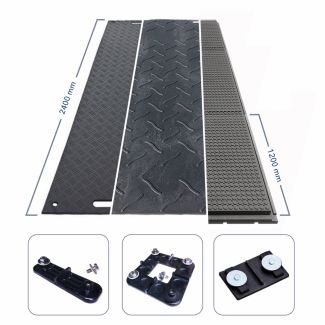

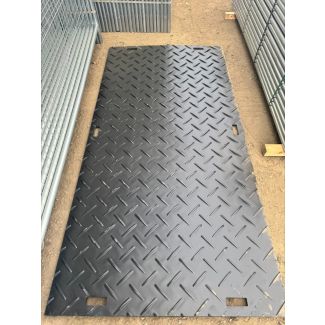


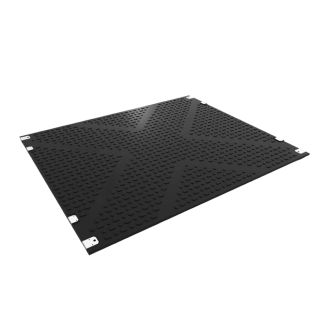
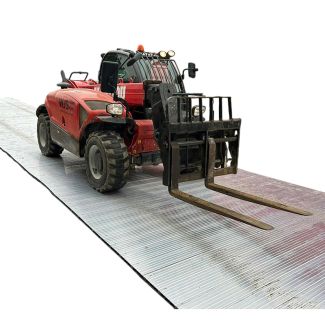



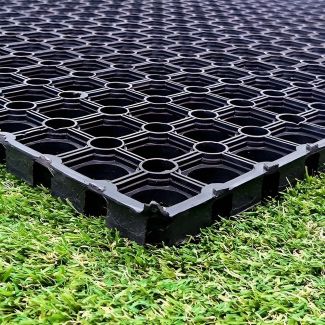
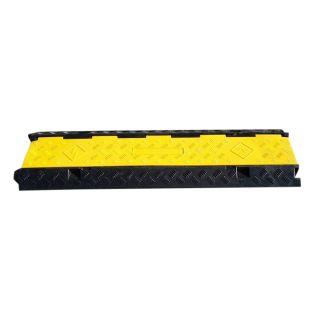
Light, medium and heavy duty access mats
The class to buy follows the heaviest vehicle on the route and the softest ground it has to cross, so a route for vans over a firm lawn and a route for loaded dumpers over wet clay need different mats.
Light duty access mats for cars, vans and foot traffic
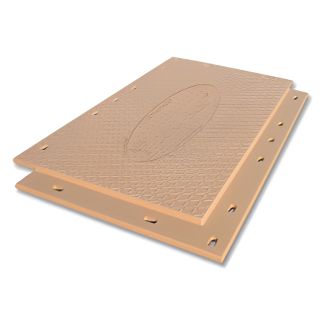
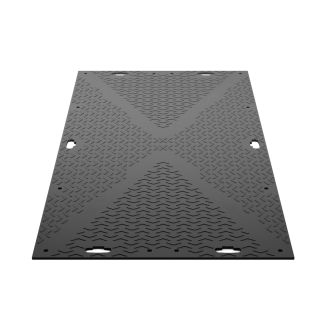
Cars, vans and pedestrians on lawns, verges and firm grass need surface protection more than load capacity, which is the job of light duty access mats. The Universal Trak Mat is made in light, medium and heavy ratings to one footprint, so a buyer equipping several routes can keep one mat pattern across all of them.
Medium duty and narrow access mats
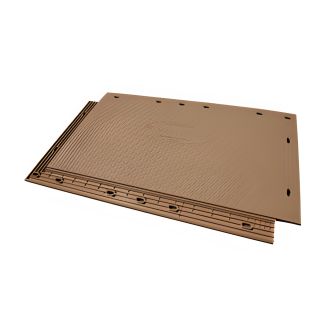
The general site mat for vans, tractors, mini diggers and light plant on reasonably firm ground is the medium duty access mat, and its low-profile face also suits pedestrian walkways at outdoor events. Where a full-width mat will not fit, through a side passage, a garden gate or the gap between scaffold and a boundary wall, narrow access mats give the same medium duty protection at half the width, enough for a single wheel track or a barrow run.
Heavy duty access mats and track mats
Excavators, dumpers, loaded lorries and concrete trucks crossing site need the heaviest plastic class, rated up to 80 tonnes on good ground. These heavy duty access mats are the ones the trade also calls track mats, trackmats, Euro mats, E-mats and plastic ground mats, and they connect into temporary roadways, access routes and working pads. Safe Trak mats and Eurotrak heavy duty mats are both in this class, and Eurotrak comes in full and half sizes for routes that need trimming to width.
Digger mats for wheeled and tracked plant
A higher-profile traction pattern on the vehicle face gives excavators, tracked dumpers and wheeled loaders extra grip on wet ground and gradients, and digger mats are built around it.
Used ground mats
Heavy duty Safe Trak mats that have been used on one job, dirty but undamaged, are listed as used ground protection mats.

Composite mats and aluminium trackway
When loads outgrow hand-laid plastic mats, or a route is too long to lay by hand in a shift, the choice moves to formats placed by machine.
Dura-Base composite ground mats
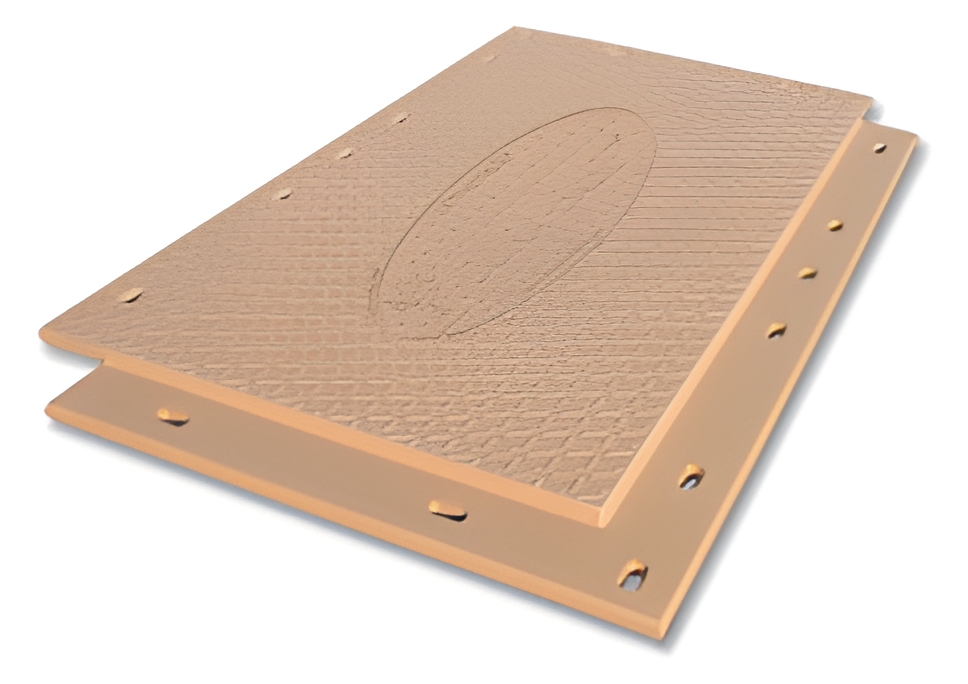
Crane pads, plant working areas and temporary roads in civils and industrial work suit Dura-Base composite mats, large single-piece HDPE mats placed by machine with both faces usable. The surface does not absorb fluids, so mats can be washed down between sites where contamination or invasive species must not travel with them. The lighter Dura-Base 800 mat keeps the same compressive strength at less weight, which cuts transport and handling on a large job.
Mega Track roadway panels
Haul roads and compound accesses that carry the heaviest site traffic every day suit Mega Track roadway panels, thick recycled UHMWPE panels rated to 160 tonnes.
Aluminium trackway mats and rolls
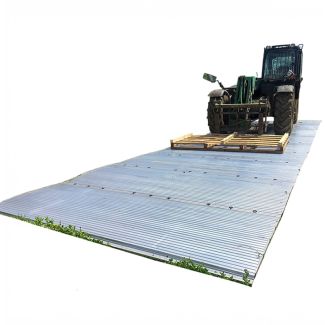
Long temporary roadways for events, industrial access and civils work across open land are built from aluminium trackway mats or aluminium trackway rolls, rated up to 150 tonnes. The rolls unroll from a machine and are quick to deploy along a long straight run, while the mats join panel by panel and suit routes with bends, junctions and turning areas. For the same kind of work on deep peat and bog, HERMEQ also supplies timber bog mats.
Walkway and floor protection matting
Foot traffic needs a different mat from plant: low, flat and slip resistant, chosen by where it is laid, whether outdoors beside a work zone, on a finished floor or on a roof.
Temporary walkway mats
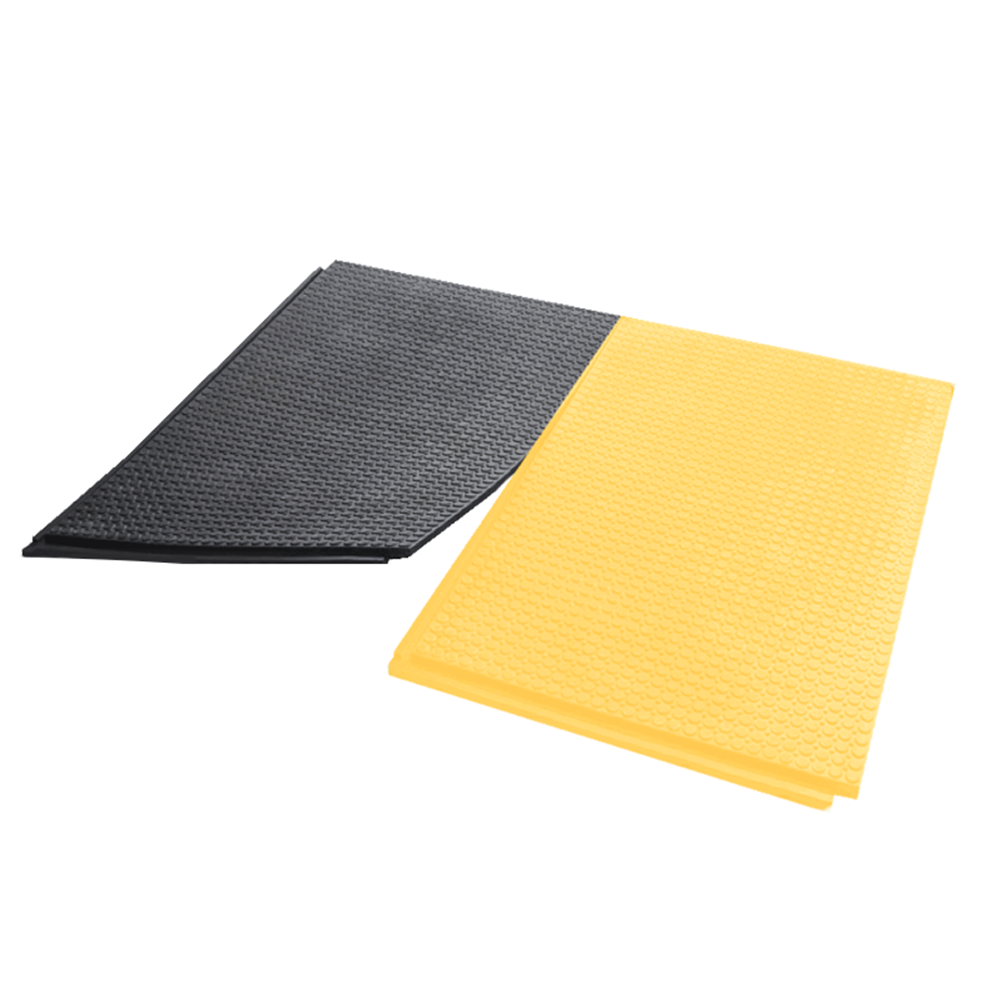
Low, anti-slip routes around active work zones and along barriered footpath diversions are laid with pedestrian walkway matting, a recycled rubber mat with a tongue-and-groove joint that lets a long run go down quickly. Temporary walkway mats come in black or white, and laid alternately the two colours mark a crossing point where a walkway meets a haul road on site.
Interlocking floor protection mats
Marquees, warehouses, shops, exhibitions and fit-out work need a continuous floor that protects the surface beneath from foot traffic and light equipment. Site floor protection mats and indoor construction matting slot together with no bolts or fixings, lie loose on solid, level ground and lift and clean for reuse.
Roof walkway matting
Flat roofs, gantries and high-level walkways take a slip-resistant route of roof walkway matting, with a diamond pattern and cross ribs that grip underfoot and protect the roof's top layer. The matting marks and protects the route, and where it runs near an unprotected edge, edge protection is planned separately as work at height under the Safety, Health and Welfare at Work (General Application) Regulations 2007.
Grass protection and temporary car park matting
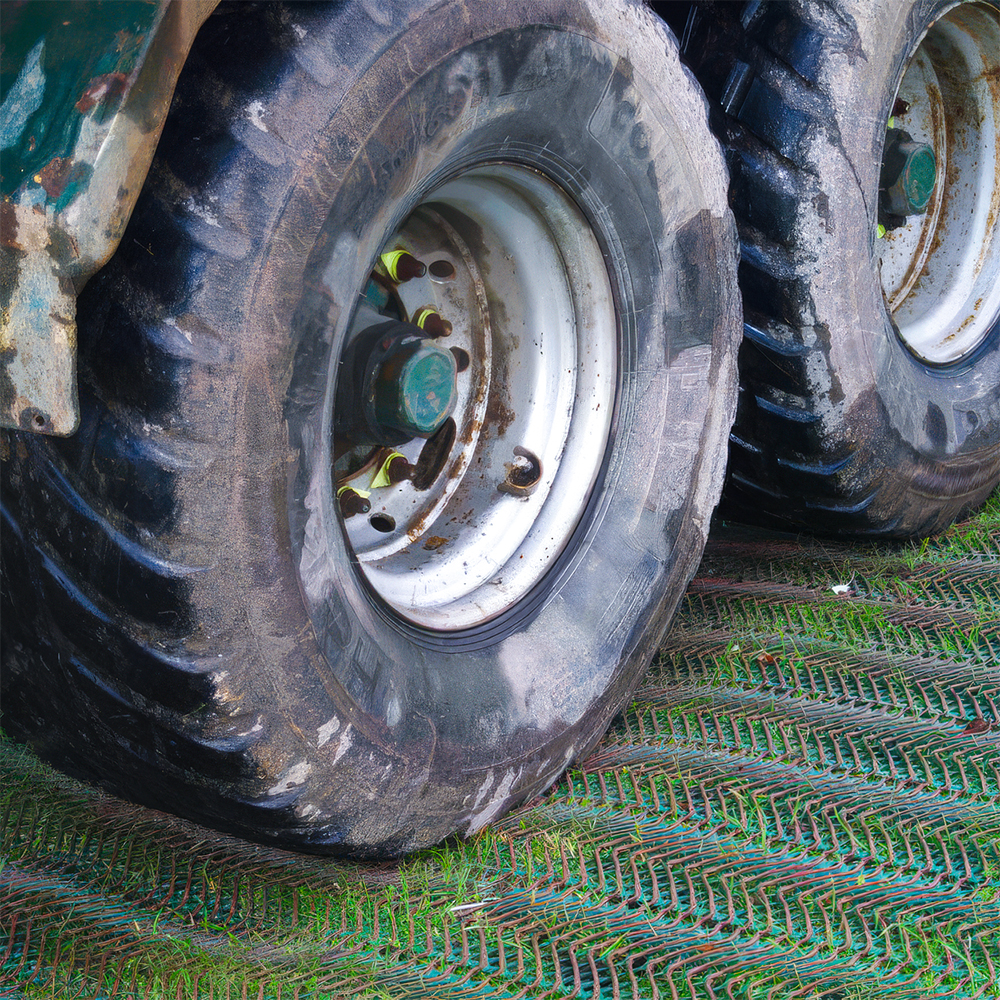
Grass that has to stay in use for days or weeks, as an event car park, a show field entrance or an access route over a lawn, needs matting that protects the turf, while ground that takes repeated lorry traffic needs paving.
Ground stabilisation mesh and Terraguard
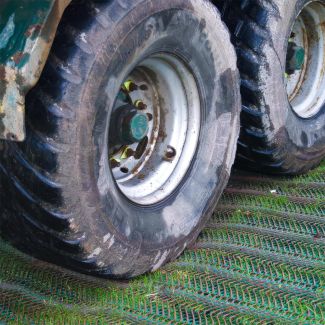
Event car parks, caravan areas and access routes over grass can be laid with ground stabilisation mesh, which rolls out over the turf and has an anti-slip surface moulded in. It is graded by weight, from foot traffic and wheelchairs through 4x4s and light commercials to refuse trucks and fire engines, and the grade follows the heaviest vehicle expected. Terraguard matting is a flexible mat with a multi-directional anti-slip surface that follows uneven ground, for walkways, car parks, roadways and sports grounds.
Rubber grass mats
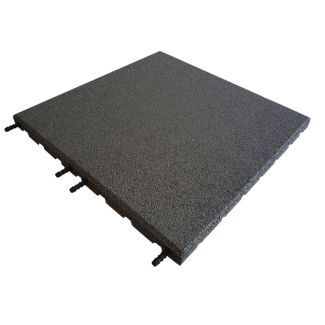
Where matting has to stay down for a season and the grass must keep growing, on paths, gateways, golf courses, farms and event walkways, rubber grass mats let it grow through while cutting erosion and improving drainage. They also absorb falls and are tested to EN 1177, so they are used as safety surfacing under play equipment. Ecomat rubber grass matting does the same grass protection job on public paths, golf courses and event routes.
Spaghetti mat for entrances and loose ground
Site entrances, loose ground and temporary traffic zones that turn to mud in wet weather suit the free-draining spaghetti mat, whose open structure lets water, dirt and grit fall through.
Cell Pave and Pro Pave truck paving
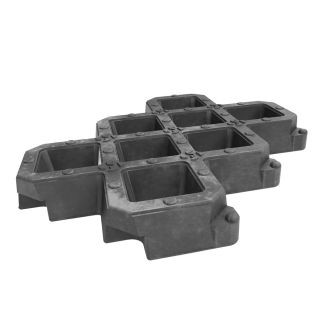
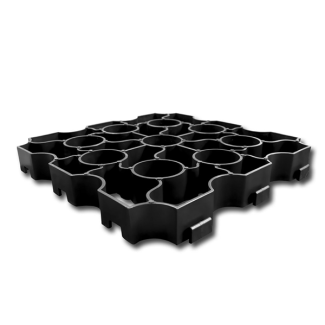
Repeated HGV, coach and forklift traffic needs paving, and Cell Pave truck paving and Pro Pave interlocking truck paving both build a permeable, load-bearing surface from recycled PVC pavers carrying up to 160 tonne GVW. Pro Pave locks each paver to its neighbours and can be filled with gravel or soil, and the pavers lift for reuse when a yard moves. For permanent reinforcement of grassed parking, driveways, paths and gravel, grass grids and X Grid ground reinforcement are laid once and stay in place.
Access mats for soft ground and heavy plant
Load rating and ground conditions
Soft ground lowers what a mat can carry, because the mat beds in under each wheel and the load concentrates on a smaller area. Safe Trak mats, for example, take up to 80 tonnes on good ground, but the advised load on medium to soft ground is 50 tonnes. On wet clay, peat or made ground, choose one class above the one the vehicle's weight suggests, and where the heaviest plastic mats would be near their limit, move to composite mats or aluminium trackway.
Traction face or pedestrian face
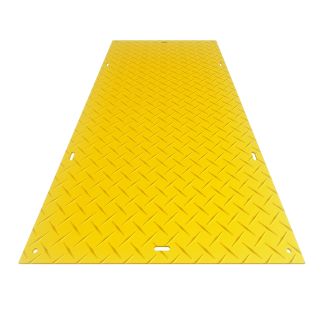
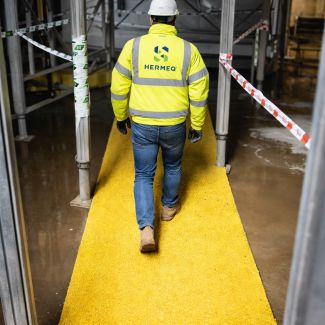
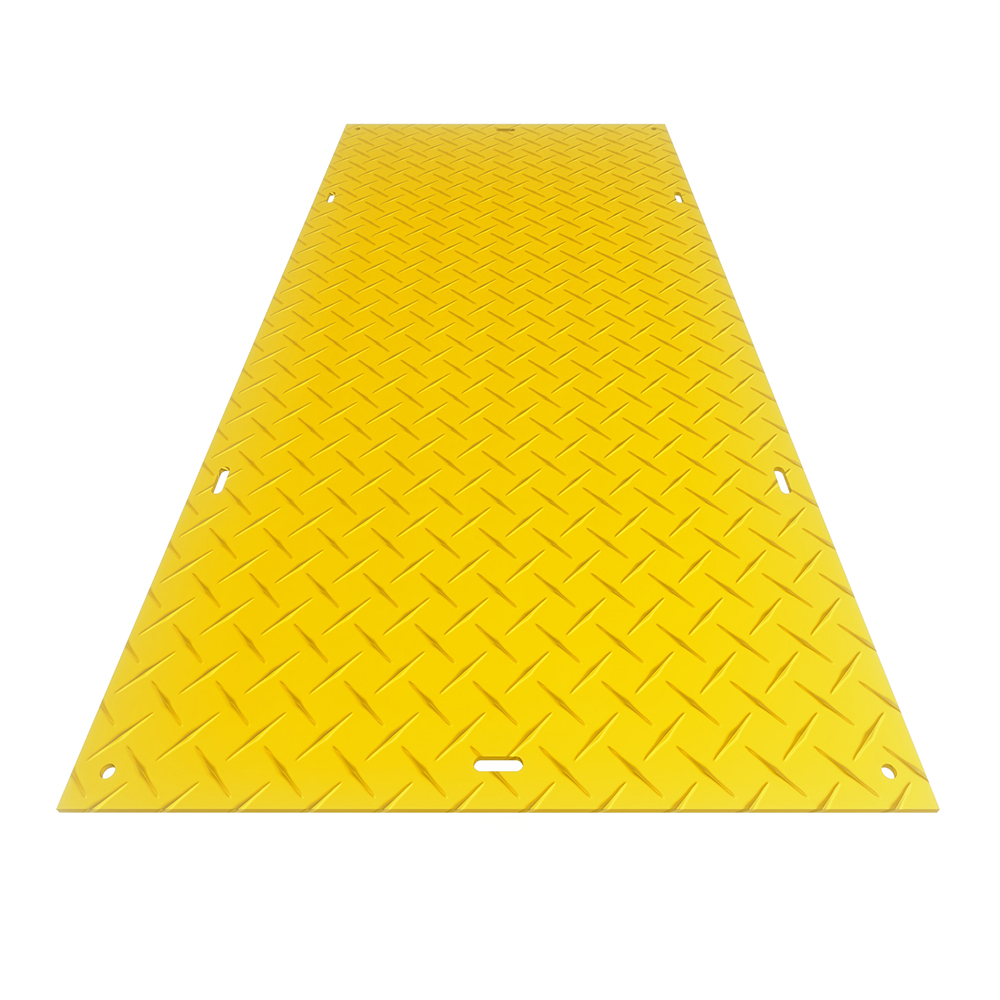
On dual-sided mats the deep traction face goes up for vehicle routes and the flatter non-slip face goes up for walkways. Routes used at dusk, at night or in heavy rain are easier to follow on hi-vis track mats, which are high-visibility yellow and mark out roadways, car parks and walkways across dark ground.
Open trenches and excavations
Ground mats spread a load across ground that can bear it and do not span a void, so a mat laid over an open trench or excavation can fold into it under a wheel. Vehicles cross trenches on road plates, and pedestrians on trench covers, both part of the wider ground protection and access range. The composite road plate is tested for vehicles over a trench and goes down in sections light enough to place by hand.
Stillages, outrigger pads and fixings
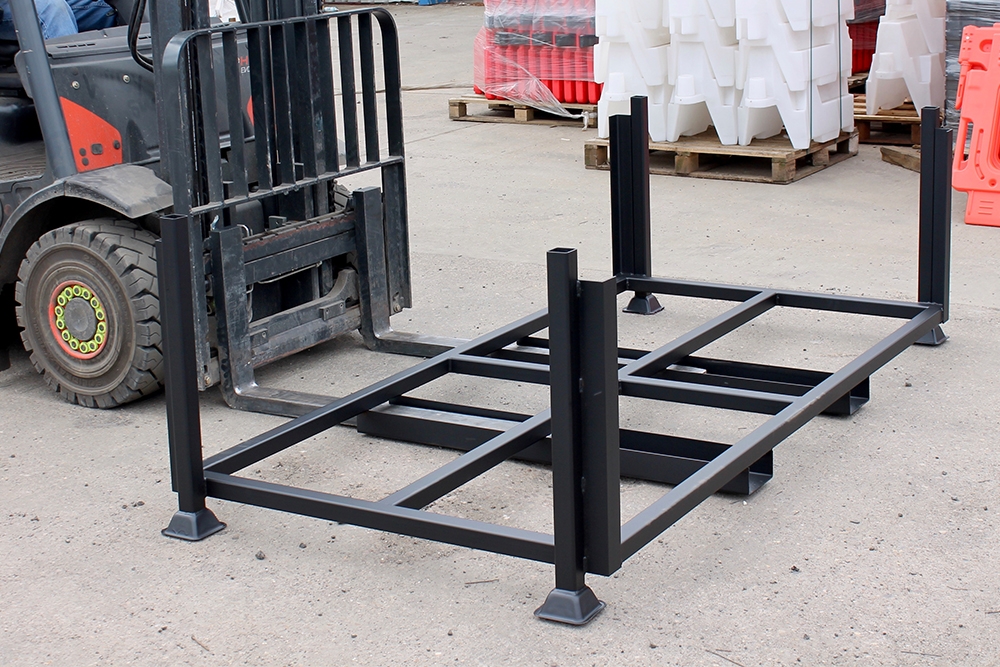
Ground mat stillages
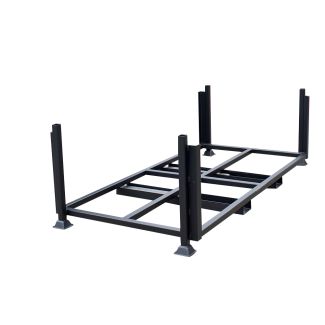
Standard 2.4m x 1.2m mats stack in ground mat stillages for storage in the yard and for moving by forklift onto a lorry, so mats travel flat and come off site in tidy, counted loads. The mats are ordered separately.
Outrigger pads
A crane, powered access platform or other mobile plant on outriggers puts its load through a single foot, which a mat alone is not designed to take. Outrigger pads spread that point load over a wider area, in sizes rated from 5 to 30 tonnes across the range. Hi-vis outrigger pads are brightly coloured for public and pedestrianised areas, where the pad has to be seen as a trip hazard.
Pegs and U pins
Rubber grass mats and membranes are anchored into turf with plastic fixing pegs, and steel U pins hold ground stabilisation mesh, erosion control matting and geotextiles down on soft ground.
Popular Categories

Road Plates
View Products >

Timber Mats
View Products >

Trench Cover Plates
View Products >
Frequently Asked Questions
Most plastic access mats in the range share a 2.4m by 1.2m footprint, so divide the area of the route or pad by the area of one mat and round up, then add mats for gateways, bends and turning points, where routes widen. The ground mat calculator does the sum for any area.
Plastic access mats join through their hand holes with mat connectors, which clamp neighbouring mats together so a route holds its line under traffic. Floor and walkway matting joins with its own tongue-and-groove or slot-and-key edge, and rubber grass mats are tied together and pegged.
Most plastic access mats in the range are recycled high density polyethylene (HDPE), which can be recycled again at the end of its life. Dura-Base composite mats are moulded HDPE, Mega Track panels are recycled UHMWPE and trackway is aluminium. Pedestrian walkway matting and Ecomat grass matting are recycled rubber, floor matting is recycled plastic, and truck paving is recycled PVC.
Plastic access mats can be laid over tarmac, block paving, kerbs and footpaths to keep tracked plant off a finished surface. Sweep the surface first, because grit trapped under a mat can mark paving as traffic flexes the mat.
Plastic access mats are light enough to lay by hand, do not absorb water, and wash down and stack compactly for storage and transport. Timber bog mats are heavier, thicker mats laid by machine, and they suit very soft peat and bog where crawler cranes and large excavators work.