







Road Forms
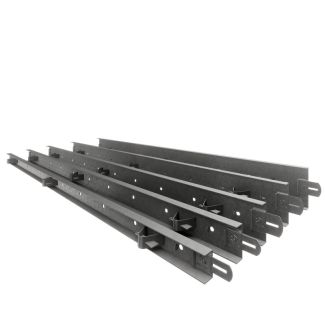
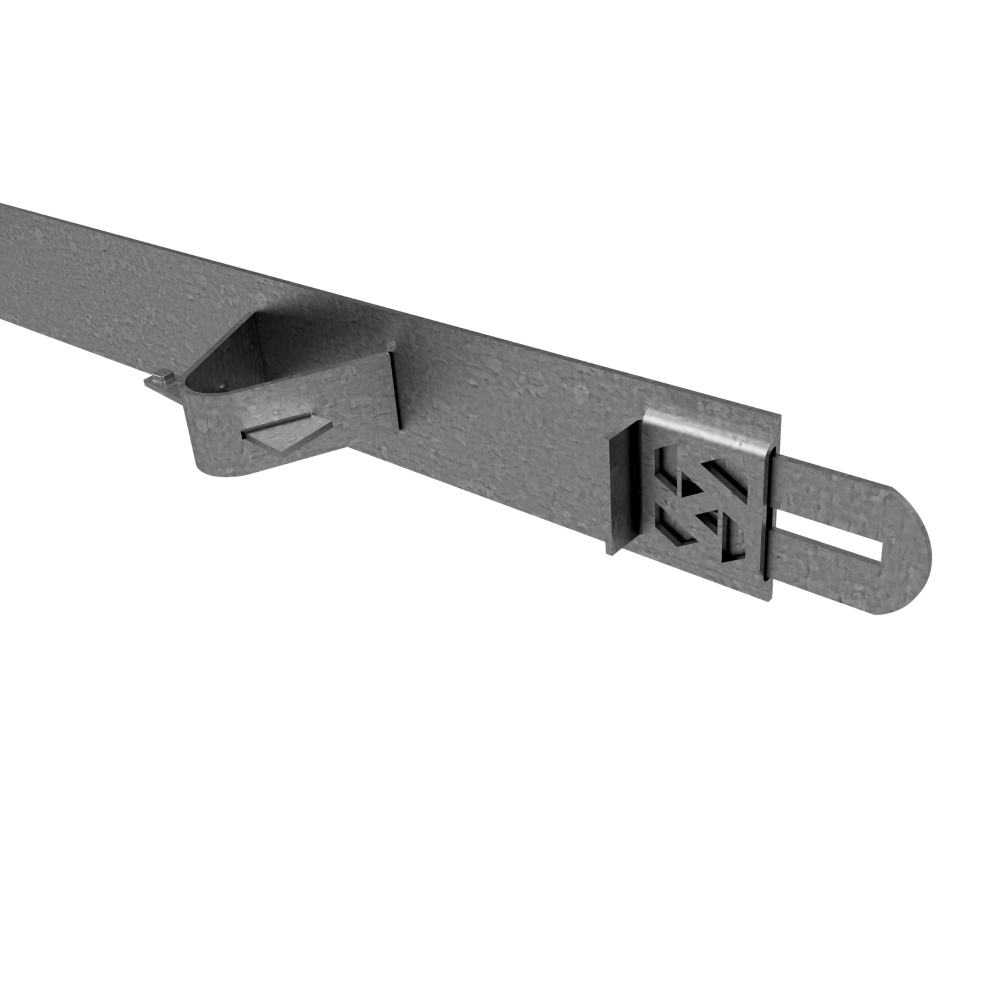
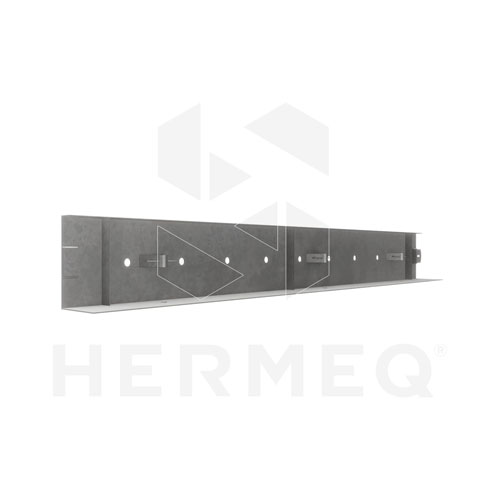
HERMEQ supplies road forms, the concrete forms that shutter the edges of roads, footpaths, ground slabs, foundations and drives. The range covers rigid steel road forms with or without holes, flexible road forms for curved edges, custom forms made to a set height and rigidity, and road form stakes to pin each form to line.
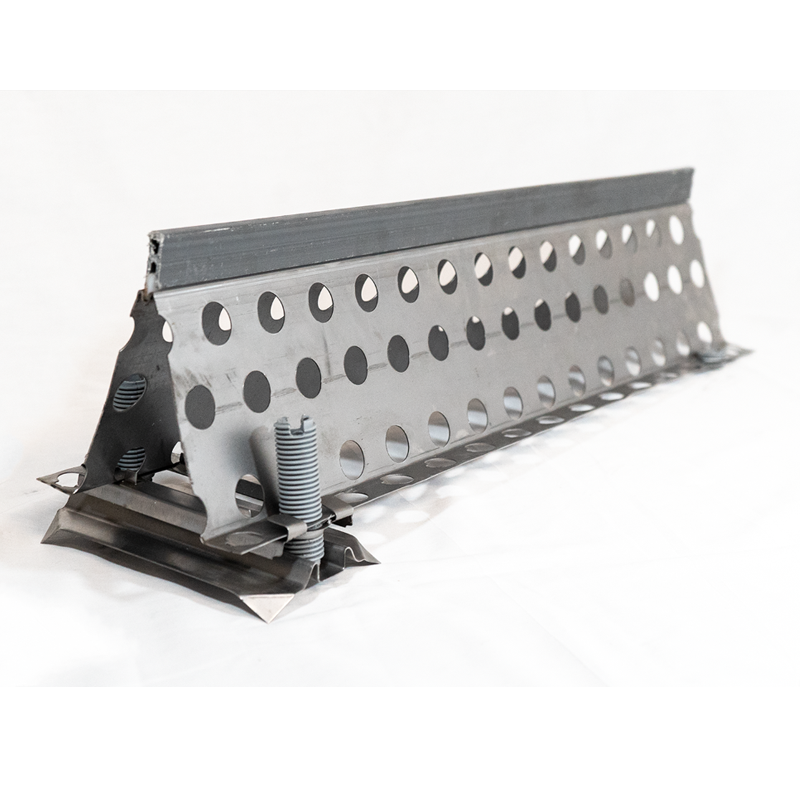
Alongside the forms, the range includes the accessories that make concrete shuttering easier on site: road form stillages for storing and transporting full-length forms, and a road form stake extractor for lifting stakes out after the pour. For internal floors laid in bays, the range also holds Combiform steel screed rails and the K-Form uPVC rail.
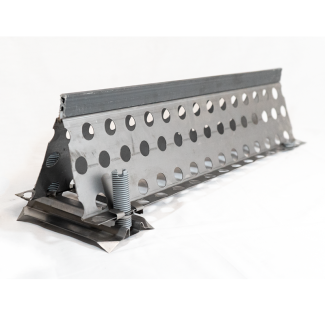
Rigid and flexible road forms
The line of the edge decides the type: straight runs take rigid forms, curves take flexible forms, and pours outside the standard depths or stiffness take a form made to order.
Rigid road forms
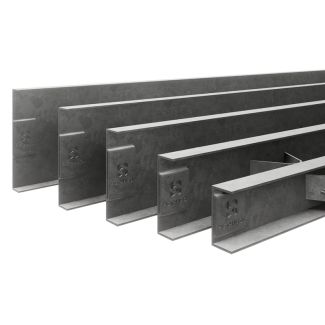
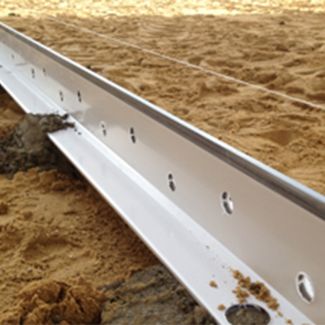
Rigid road forms are the standard steel shuttering for straight edges on roads, ground slabs, foundations and drives. The pressed steel section holds its line and its top edge under the weight of wet concrete and the passes of a screed board or tamping beam, so a run of rigid forms sets the finished level as well as the edge. Choose them for any edge that runs straight between corners, and above all for long road and footpath runs where a true line shows. The rigid range comes with holes for dowel bars or without, for a plain face.
Flexible road forms
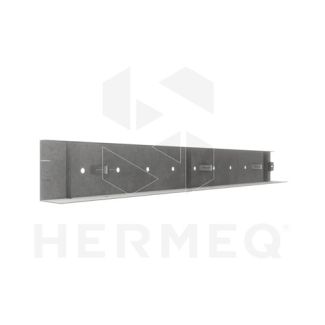
Flexible road forms bend to a radius, which makes them the form for curved kerb lines, bellmouths at junctions, roundabout islands, turning heads and curved drive edges. Set them against a pegged radius before staking, and change back to rigid forms where the curve ends.
Custom road forms
Custom road forms are made to a set height and rigidity for pours the standard depths do not cover, such as the thick pavement slabs of airport work. They suit contractors with one specification repeated across a large pour, where every form in the run has to match and carry a heavier section of concrete than a standard form is made for.

Road forms with holes or without holes
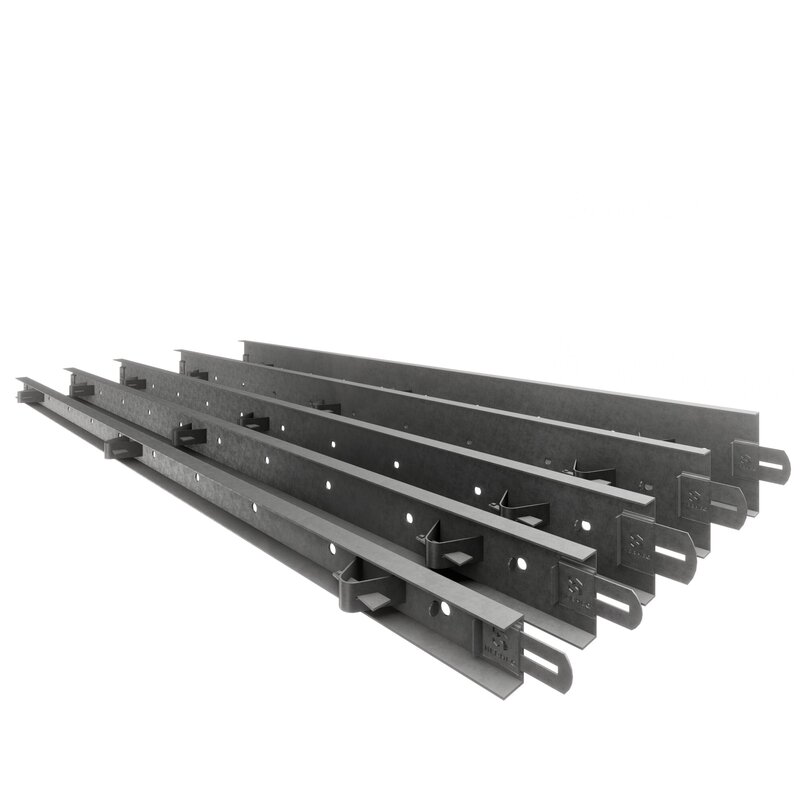
The holes in a rigid road form let dowel bars pass through the form face, so steel can tie one bay to the next when the adjoining bay is poured. Choose road forms with holes for road and slab work laid in alternate bays, where dowels across each transverse joint carry load from one slab to the next and hold the two at the same level.
Road forms without holes give a plain, unbroken face. They suit a single pour, a perimeter edge that will never be continued, and any edge left exposed as a finished face, where a clean line matters more than a joint.
Concrete shuttering for roads, slabs and drives
Each use puts its main demand on a different part of the shuttering, from the top edge on a road to the depth on a slab.
Roads, footpaths and kerb lines
On roads and footpaths the forms set both the line of the edge and the finished level, because the screed or tamping beam runs along their top edge. Set the run to a string line, sight along it before the pour, and stake it closely enough that no form moves when concrete is discharged against it.
Ground slabs and foundations
For ground slabs and raft or strip foundations, the form depth has to match the slab thickness and the face has to stay plumb under the full head of concrete. Mesh and cages of reinforcing bar sit inside the shuttering, so allow for the specified cover at the edge.
Drives, car parks and hardstandings
Drives, car parks and hardstandings combine straight edges, curves and falls to drainage in one job. Every form is set to the fall so the surface sheds water to its gullies or channels. Large hardstandings are usually poured in bays, which brings the choice between forms with and without holes into play.
Road form sizes and depths
Depth is the size that matters when buying road forms, and on an existing fleet the fit of stakes and sliders matters as much.
Depth to suit the slab
The depth to buy is the thickness of the slab or road being poured, so the top edge of the form sits at the finished level. Across the range, forms come in depths from 100 mm to 300 mm, with flexible forms covering a shorter span of depths.
Adding forms to an existing fleet
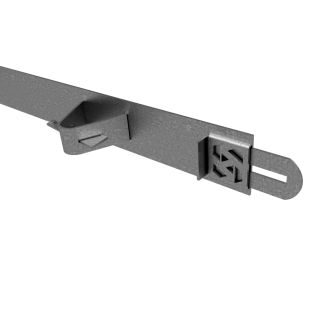
Road forms from different makers do not always work together, and the two points to check are the stakes and the sliders. The stake has to fit the housing on the form, and the slider that holds the stake changes size with the depth of the form, so a deep form can take a different slider from a shallow one. Before topping up a fleet bought from mixed suppliers, compare the stake diameter and slider on your existing forms with the product page for the depth you need.
Road forms or screed rails for concrete floors
Screed rails are the better buy for internal concrete floors laid in bays, while road forms are the right choice for perimeter edges. A road form is struck once the concrete has set and goes back into the fleet. Combiform screed rails stay in the floor, where they set the level and work as a crack inducer and expansion joint, so adjoining bays can be poured continuously without waiting to strike a form.
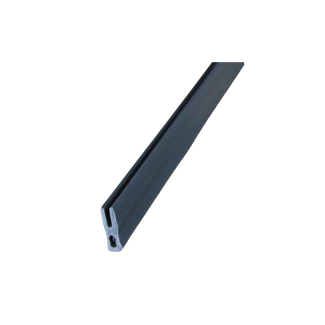
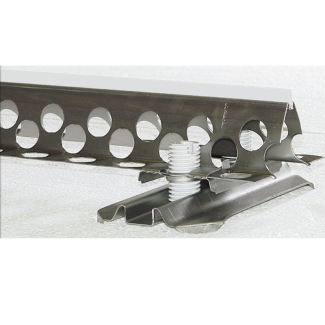
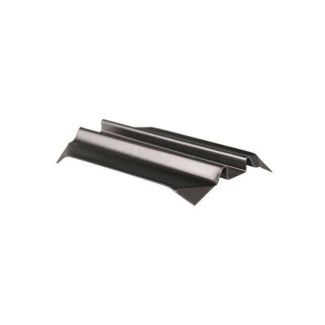
Each rail stands on screed rail ground plates and is brought to height with screed rail adjusting screws and the screed rail adjusting tool, for flat or sloping floors. A screed rail top extender adds concrete cover and forms the joint line in the slab, and screed rail locking clips stiffen the rail along its length. The K-Form screed rail is a uPVC alternative to the steel Combiform rail.
Road form stakes, extractors and stillages
Road form stakes
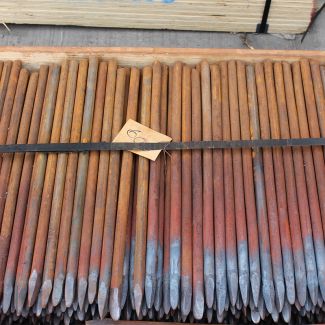
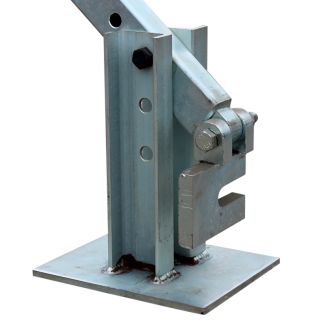
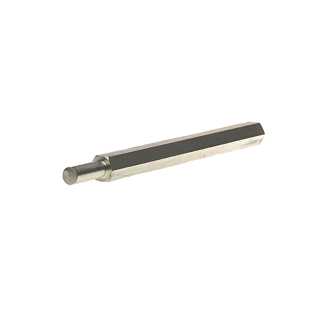
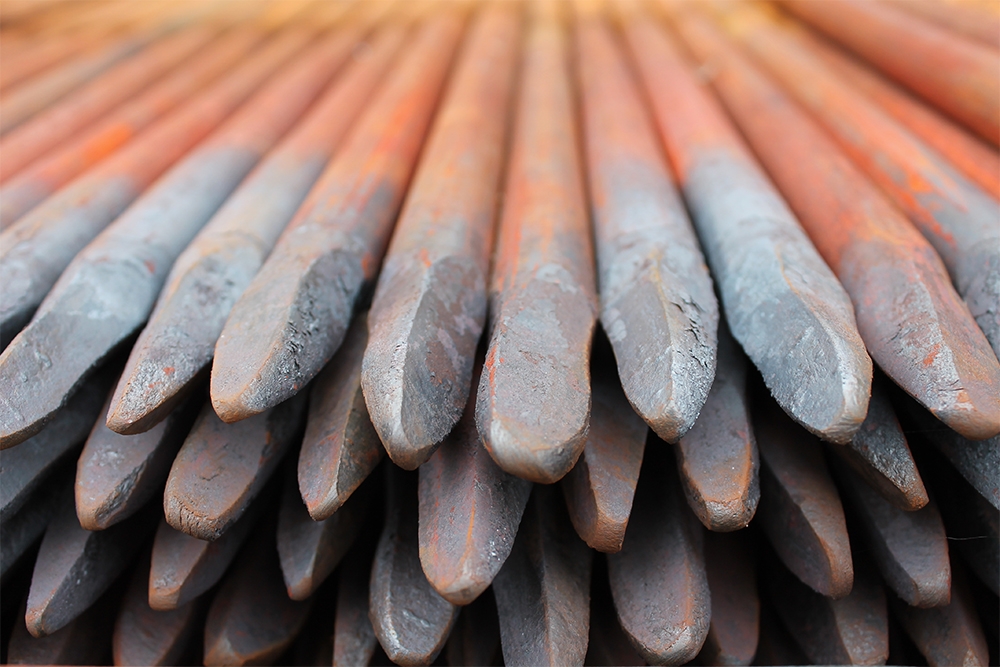
Road form stakes, also called steel road form pins, are driven through the housings on the form into the ground below. They hold the form to line and level while the concrete is placed and vibrated. Order enough for every housing in the run plus spares, because stakes bend in hard or stony ground and go missing on a busy site.
Road form stake extractor
A road form stake extractor grips the stake and levers it straight out of the ground once the pour has set.
Road form stillages
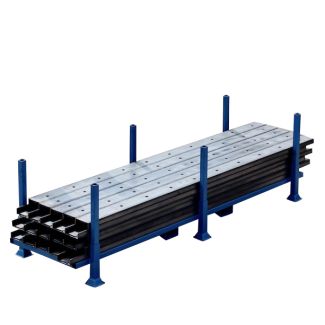
Road form stillages hold full-length forms in one rack for storage in the yard and for lifting on and off a lorry. Forms stacked loose pick up bent top edges and dented faces, and a bent form puts a kink in the next edge it shutters, so a stillage keeps each form true between jobs.
Popular Categories

Trench Covers & Road Plates
View Products >

Bog Mats
View Products >

Rebar & Steel Plate
View Products >
Frequently Asked Questions
Road forms are one kind of concrete shuttering: steel edge forms for slabs and pavements poured at ground level. Concrete shuttering is the wider term for any temporary mould that holds wet concrete, including timber boards and the panel systems used for walls and columns.
Road forms are still named by their depth in inches, with each inch taken as 25 mm. A 4 inch form is 100 mm deep and a 6 inch form is 150 mm deep, and the larger sizes follow the same steps. Lengths are given in metres.
Steel road forms are made to be used pour after pour, as long as they are cleaned and kept straight. Scrape off concrete before it hardens, keep the top edge and stake housings free of build-up, and set aside any form with a bent edge before it reaches the next job.
A thin coat of mould release oil on the form face before the pour is standard practice. It stops concrete bonding to the steel, so the forms strike cleanly, the slab edge is not torn and cleaning takes less time. Apply it before the reinforcement goes in and keep it off the steel.
Yes, and most curved edges are formed that way, with rigid forms on the straights and flexible forms through the radius. Use the same depth for both so the top edge stays at one level where they meet. Stake each joint so the two forms cannot step out of line during the pour.
Cover it with concrete frost blankets as soon as the surface will take them, so freezing temperatures and wind do not damage the concrete while it cures. Leave the road forms in place until the edges are hard enough to strike cleanly.