







Underground Cable Protection
The HERMEQ underground cable protection range marks, warns of and protects buried services, from electricity cables to water pipes and gas mains. Cable protection tiles in recycled plastic lie over the cable and take the blow from a spade or bucket during later digging, and their bright colour tells site staff what lies beneath. Concrete service marker blocks, printed with the service they mark, identify electric, high voltage, fibre optic, gas and water routes at ground level, and precast concrete marker posts locate hydrants and electric cables. Reinforced utility and pipe protection slabs spread the load of traffic above pipes, mains and power cables. For cables exposed in an open excavation, the range also holds hi-vis, cone-shaped cable covers.
-

-
-
-
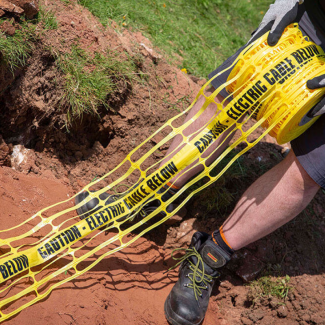
Electrical Detectable Warning Mesh - Pack of 120 RollsAs low as €4,041.19 €4,970.66
2 to 3 Week Delivery
-

-
-
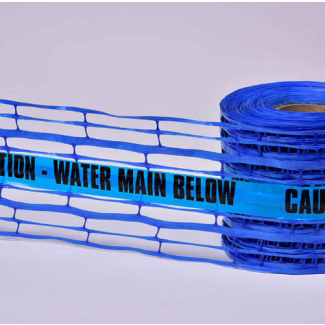 Water Mains Detection Warning Mesh - Pack of 120 RollsAs low as €4,041.19 €4,970.66
2 to 3 Week Delivery
-
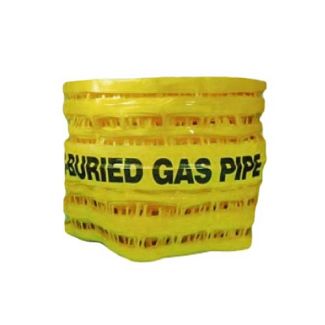 Buried Gas Detection Warning Mesh - Pack of 120 RollsAs low as €4,041.19 €4,970.66
2 to 3 Week Delivery
-
-
-
-

Underground cable protection, from cable tiles to marker posts
The range divides into products laid on the service to stop a strike, products buried in the backfill to warn of it, and markers that show the route at the surface.
Cable protection tiles
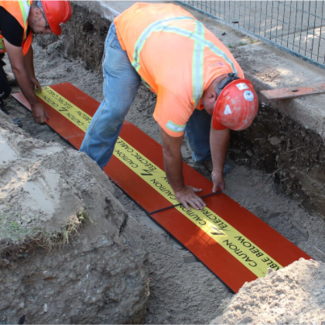
Heavy duty cable protection tiles are laid directly over a cable or duct, where they take the blow of a spade, pick or bucket before it reaches the service. They are the choice for high voltage routes and suit any buried utility that needs a physical shield.
Cable protection roll
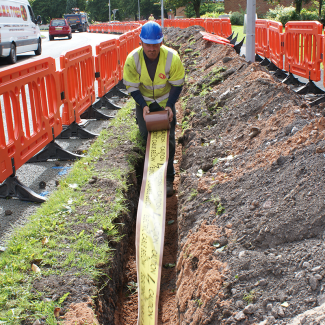
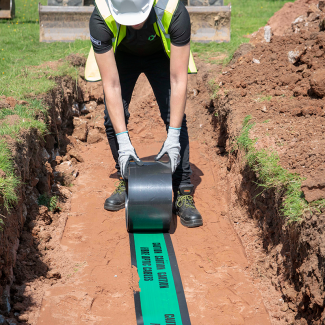
A cable protection roll, also called cable cover strip, is a continuous plastic strip that unrolls along the trench over the service and does not shatter on impact. It gives more protection than warning tape in a single pass and suits long cable runs where tiles would take longer to lay, and the cable protection roll for electric cables is the version for power routes.
Underground warning tape
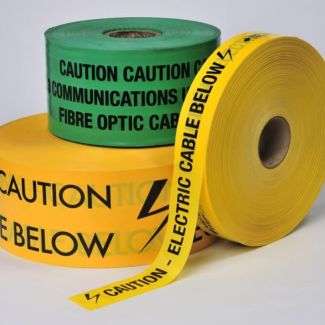
Underground warning tape is a non-adhesive printed film buried in the backfill above a pipe or cable, so that anyone excavating later uncovers the warning before the service.
Warning detection tape
Warning detection tape is printed tape with a stainless steel trace wire running through it. It is the tape to choose where the route has to be found from the surface as well as seen when it is dug up.
Warning mesh and detectable mesh
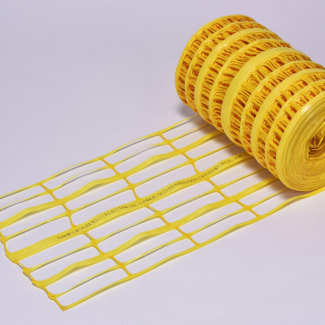
Warning mesh is a brightly coloured, high strength polyethylene mesh laid in the backfill to warn an excavator that a cable or pipe lies below. Detectable warning mesh adds a tracer wire, so the route can also be located before digging.
Utility and pipe protection slabs
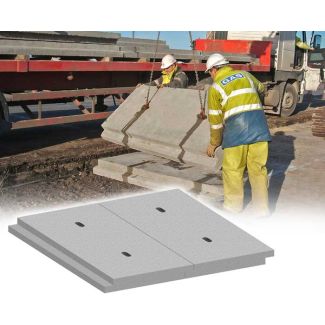
Utility and pipe protection slabs are precast concrete slabs, reinforced with mesh on both faces, laid over water pipes, gas mains and power cables where vehicles will pass above. Tiles stop a hand tool or bucket during later excavation, whereas slabs spread the weight of traffic at a site crossing, haul road or entrance. An open trench that traffic must cross needs road plates instead.
Concrete service marker blocks
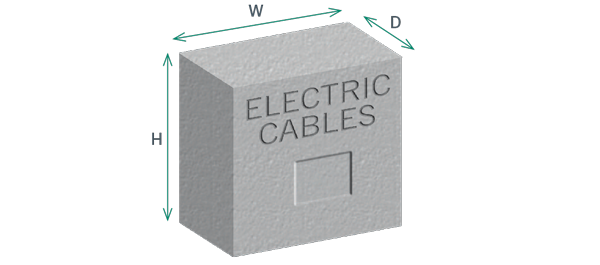
Concrete service marker blocks are set into the ground at the surface and name the service beneath them in printed lettering. They suit footpaths, verges and hardstanding, where a block sits low and a post could be struck or removed.
Cable and hydrant marker posts
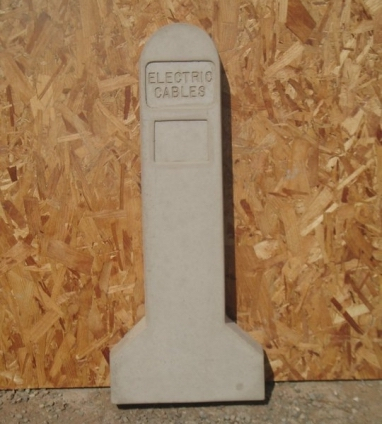
Precast concrete marker posts stand above ground, so a route can be read from a distance across open land, along road verges and on rural lines. Electric cable marker posts mark the line of a buried cable, and hydrant marker posts identify the position of fire hydrants on a water main, in heights to suit the setting.

Detectable or non-detectable warning tape
The choice turns on whether the route has to be found before anyone digs. Underground warning tape and warning mesh give a visual warning only: an excavator sees them when the bucket reaches them, above the service. Warning detection tape and detectable mesh carry a trace wire, which a cable avoidance tool (CAT) and signal generator (genny) pick up from the surface, so the line can be traced and marked out before the ground is broken.
Choose a detectable product over plastic water and gas pipes and plastic ducts, because a locator cannot find a non-metallic service on its own.
Laying warning tape and cable tiles above a service
The build-up runs from the service upwards. The pipe, cable or duct is laid on its bedding and surrounded to the designer's detail, then heavy duty tiles, a cable protection roll or protection slabs go directly over it. Backfill follows, and the warning tape, detection tape or mesh is laid flat along the line of the service partway up, at a level an excavator meets well before reaching the service. The trench is then reinstated, with the tape running unbroken along the route, and concrete marker blocks or posts are set at the surface where the service owner requires them. The depth of the tape and the cover over the service come from the service owner's or designer's specification.
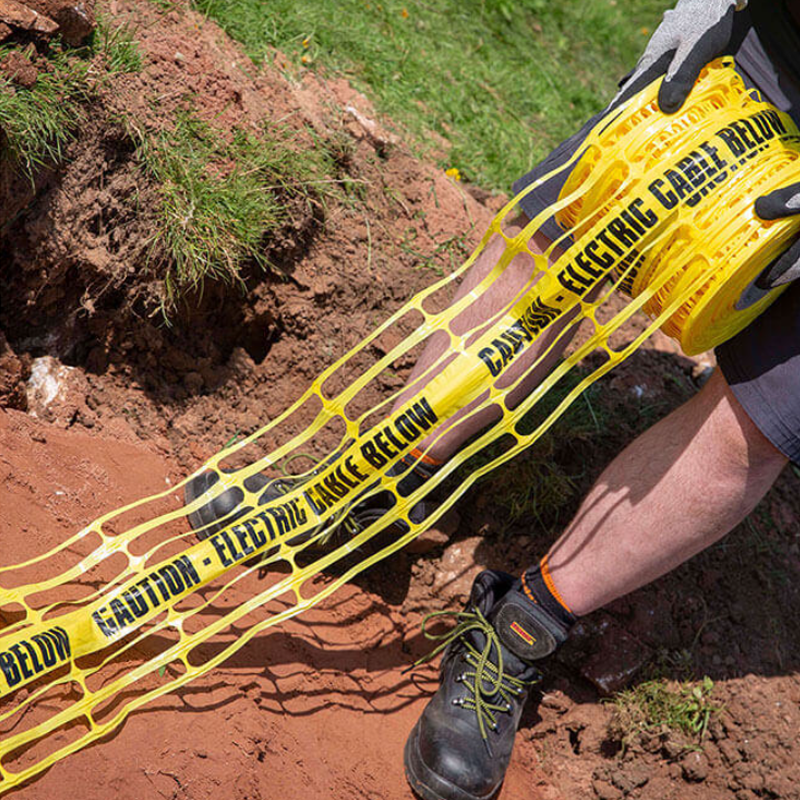
Warning tape and mesh for electric, gas, water and telecoms
The tapes, mesh, protection rolls and marker blocks carry a printed legend that names the service, and choosing by legend matches the warning to the service in the trench.
Electric and high voltage cables
The heavy duty tiles, tested to EN 12613, go over the cable, with warning detection tape printed Electric Cable Below or the detectable mesh for electric cables in the backfill, and marker blocks printed Electric Cable or High Voltage at the surface. The generic Electric Cable Below legend is the one to choose for electrical work, and where the network owner sets its own specification for a job, that specification decides the product.
Gas mains and water pipes
Gas and water pipes are commonly polyethylene, so the buried gas detection mesh and water mains detection mesh give the route a trace wire from the day it is backfilled. Underground warning tape printed Gas Main Below or Water Pipe Below adds a visual layer, and marker blocks are printed for gas and for water.
Fibre optic and telephone cables
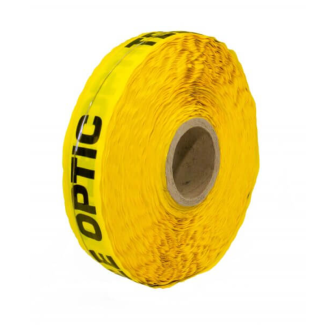
Fibre optic cable often carries no metal, so the detectable mesh in its Fibre Optic Cables Below version makes a fibre route traceable. The fibre optic cable protection roll lays a protective layer with a Caution Fibre Optic legend, and underground warning tape is printed for both fibre optic and telephone cables.
Sewers and street lighting cables
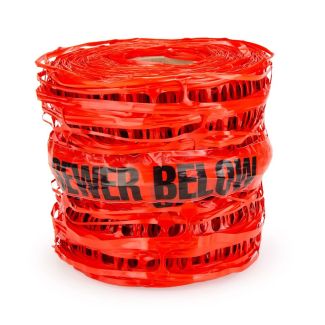
Foul sewers are marked with underground warning tape printed Foul Sewer Below, or with the sewer detection mesh where a plastic sewer needs to be traced. The detectable mesh also has an Electric Street Lighting Cable Below legend for public lighting cables along footpaths and verges.
Cable covers for exposed and surface cables
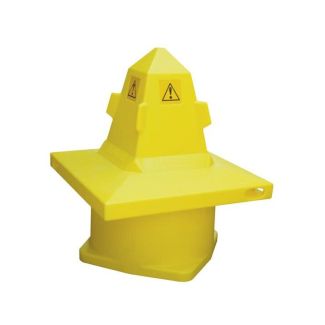
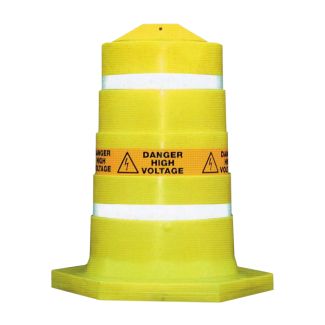
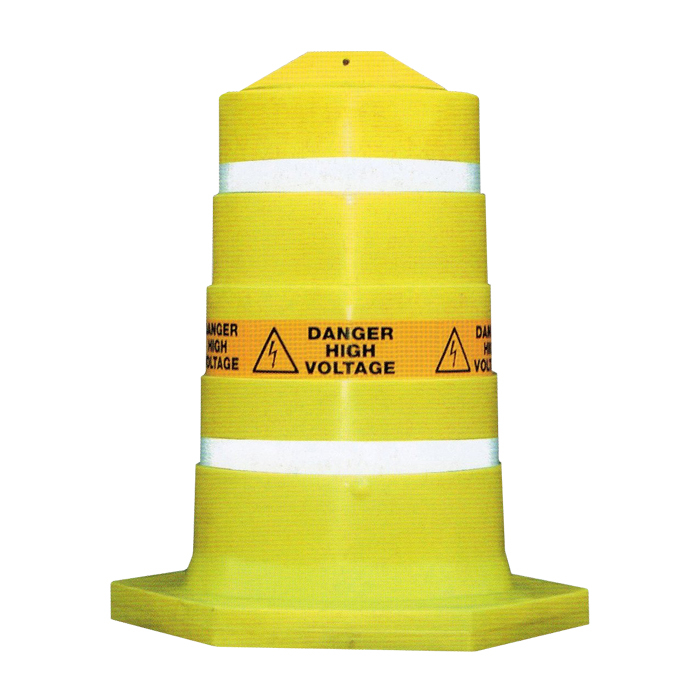
Cables on or above the ground need a different kind of cover from buried ones. Hi-vis cable covers are hexagonal-based cones placed over a cable left exposed in an open excavation, and they come plain or printed Danger High Voltage or Keep Left.
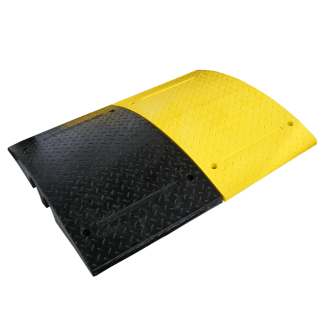
Cable and hose cover ramps are channelled ramps laid across a site road, car park, footpath or event walkway, and they carry vehicles and pedestrians over the cables and hoses that run through them. The cable protector ramp is the same format. Choose the cone covers to mark and guard a cable inside an open excavation, and the ramps where people or vehicles have to cross a live cable or hose above ground.
Popular Categories

Road Forms
View Products >

Trench Covers & Road Plates
View Products >

Bog Mats
View Products >
Frequently Asked Questions
Choose by the printed legend. Warning detection tape and warning mesh carry Electric Cable Below for power cables, and underground warning tape is printed Gas Main Below, Water Pipe Below, Telephone Cable Below, Fibre Optic Cables or Foul Sewer Below. Where the network owner sets its own specification for a job, that specification decides the tape.
The underground warning tape and warning mesh in the range comply with EN 12613, the European standard for plastic warning devices over buried cables and pipelines, published by the NSAI as I.S. EN 12613. The cable protection rolls are tested to EN ISO 527-2 for the tensile properties of the plastic and to EN ISO 1183-1 for its density.
Marker posts are set beside the route rather than on top of it, usually on a verge, boundary or field edge, at the start and end of a run and at changes of direction, joints and crossings. Hydrant marker posts stand close to the hydrant they identify so it can be found when the cover is hidden.
Service records are obtained from the network owners, such as ESB Networks, Gas Networks Ireland and Uisce Éireann, before work starts, as the HSA Code of Practice for Avoiding Danger from Underground Services sets out. The area is then scanned with a CAT and genny, the services are marked on the ground, and trial holes are hand dug to confirm their position and depth before machine excavation.
Excavation warning tape is a different product: a non-adhesive film made to be buried in the backfill and printed with the service it marks. Barrier tape is tied between posts or barriers above ground to fence off an area, and it is not made for burial.