







Plastic Pallets, Pallet Boxes & Cages
HERMEQ supplies plastic pallets, mortar tubs and pallet boxes for storage and distribution in warehouses, yards and on site, with steel pallet cages and stillages for stock that needs a rigid steel frame. Each type is built to keep goods contained and secure in transport, whether the load moves by forklift, pallet truck, crane or lorry. The industrial plastic pallet boxes have ram protection against fork damage and smooth interior walls that empty, clean and dry without trapping material. The plastic Euro pallet has a deck with no recesses, so it washes down easily, and it takes goods packed to the standard 1200 x 800 footprint.





Plastic Euro pallets and heavy duty plastic pallets
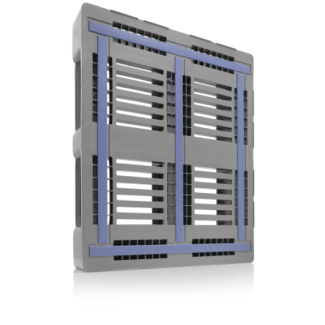
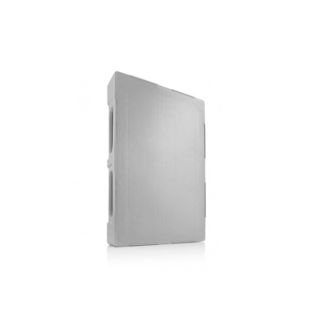
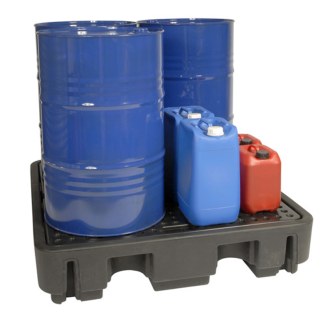
A plastic pallet is chosen by the load it carries and the standard of hygiene it has to meet: every pallet in the range has a deck that washes down, and they differ in footprint, edge detail and the work each is built for.
Plastic Euro pallets for 1200 x 800 loads
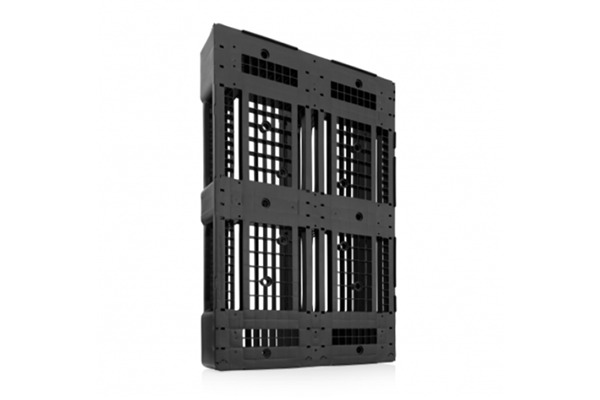
The plastic Euro pallet is built on the 1200 x 800 footprint used throughout European distribution, so it takes goods packed to Euro dimensions and fits vehicles and racking planned around them. Choose it to replace wooden Euro pallets in a closed loop, where the same pallets come back for reuse.
Industrial plastic pallets with rims and caps
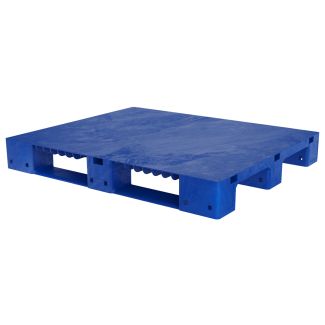
The Dolav industrial plastic pallet sits on the larger 1200 x 1000 footprint and comes fitted with rims and caps. Its deck has no recesses to hold dirt or standing water, and it suits heavier general loads in warehouses, stores and site compounds, including bagged materials that would otherwise sit on wet ground.
High performance pallets with anti-slip edging
The high performance plastic pallet is the top storage and distribution pallet in the range, also on a 1200 x 1000 base. Anti-slip edging stops wrapped or stacked goods sliding off the deck, which matters most for loads that move often between racking, vehicles and the warehouse floor.
Pharma pallets for clean rooms and food production
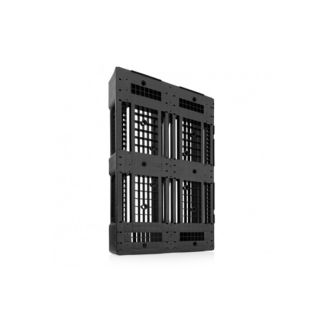
The pharma pallet for clean rooms is made for pharmaceutical and food production, where pallets are cleaned to a set routine and still have to carry heavy loads. Choose it for clean rooms, production halls and food handling areas where the site's hygiene rules exclude wooden pallets.
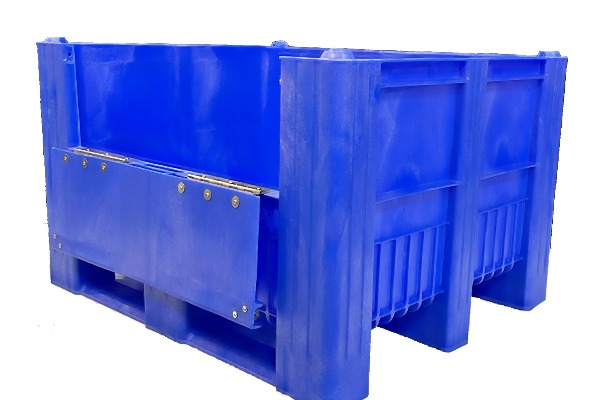
Plastic pallet boxes, pallet cages and stillages
Each container in the range is chosen by its walls and its door: solid plastic for material that must be fully contained, open mesh or sheet steel for stock on racking and in stores, and a drop door wherever goods are picked by hand.
Plastic pallet boxes
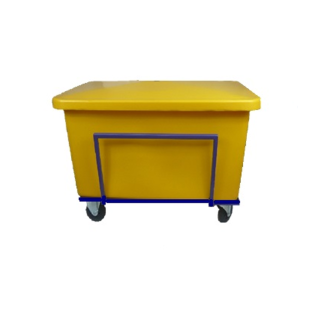
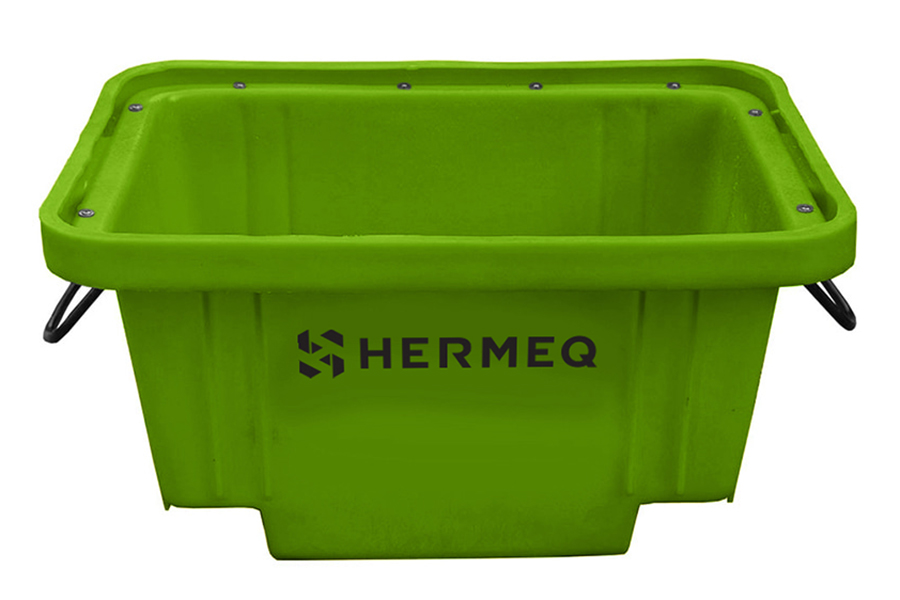
Plastic pallet boxes, also called box pallets, pallet bins or pallet crates, carry components, fittings, produce and loose material in a solid plastic body that a forklift or pallet truck moves as a single load. The bespoke plastic pallet boxes are built to the specification of the job on the Euro or the 1200 x 1000 footprint, with an optional drop door on the long or short side. The drop door pallet box has a hinged door that lowers for access, so contents come out by hand while the box stays in place in a stack or a rack.
Wire mesh pallet cages
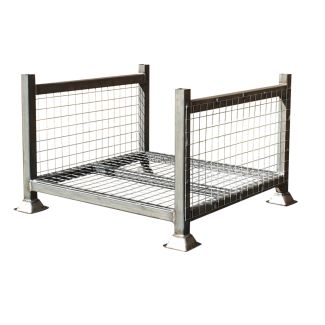
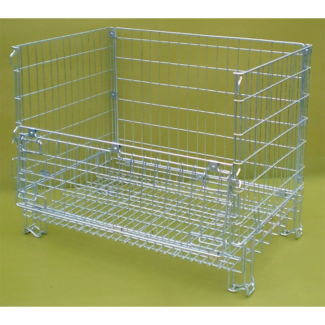
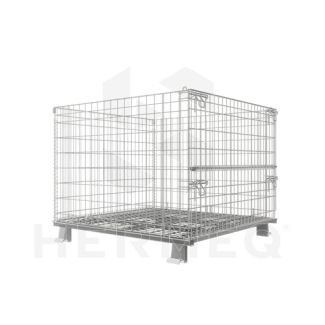
Wire mesh pallet cages, also sold as mesh cages or cage pallets, hold stock in a welded steel frame with a galvanised or zinc-plated finish. The foldable wire mesh pallet cage and the stackable pallet cage cover general warehouse, logistics and site storage. The heavy duty collapsible pallet cage carries a heavier load on a smaller base, and the collapsible stillage is the highest rated cage in the range for the heaviest stock. The folding wire cages have a full drop front panel for loading by hand and come in several sizes, one of them with forklift guards for busy aisles.
Steel and mesh stillages
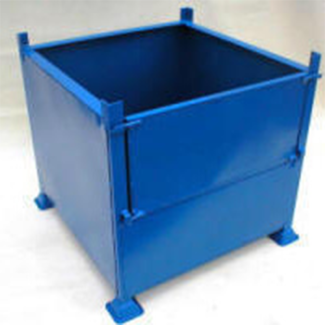
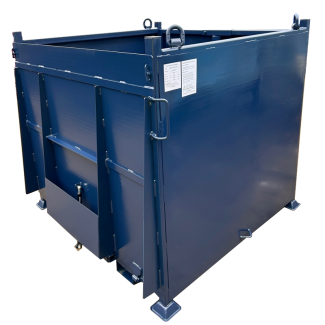
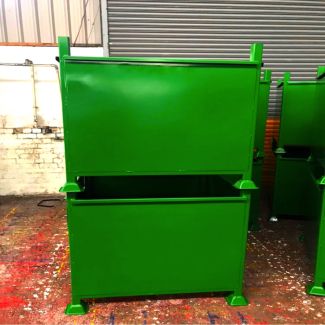
Steel stillages have a sheet steel base and three solid sides, with a choice of a half drop front, a full panel drop front or full sides. The mesh steel stillages take the same front options on an angle steel frame with mesh side panels. Sheet sides hold small parts, fixings and offcuts that would pass through a mesh panel, while mesh sides suit larger items kept on racking or in a stores building.
Gitterbox stillages
Gitterbox is the German trade name for the mesh box pallet common in automotive and manufacturing supply chains, with mesh sides, a half drop door on the long side and a corrugated steel deck. The gitterbox stillage is the rigid version with the higher load rating, for heavy parts in permanent storage. The folding gitterbox has the same layout and door in a folding frame.
Steel storage bins and mesh storage pallets
Steel storage bins are solid sheet steel bins on a box section frame for fittings, fixings and offcuts in yards, workshops and warehouses, supplied in plain steel or painted. Mesh storage pallets have a mesh base and two mesh sides, leaving the other two sides open for long or bulky items loaded from the side.
Plastic pallet box or mesh pallet cage
A plastic pallet box is the right choice for loose, wet or small material that has to be tipped out or washed, and a steel mesh cage or stillage is the right choice for stock that must stay visible and easy to count. Plastic boxes can be specified with a drop door and in a choice of colours, which lets a warehouse or site set up its own colour code by material, trade or customer.
Mesh lets a stores team or a site manager see what is in a cage and how much is left without opening it, and it lets air reach stock that arrives wet. The collapsible pallet cages, the folding wire cages and the folding gitterbox fold flat when empty, so empties travel back on a return load and wait for reuse in a small part of the space a rigid container takes.
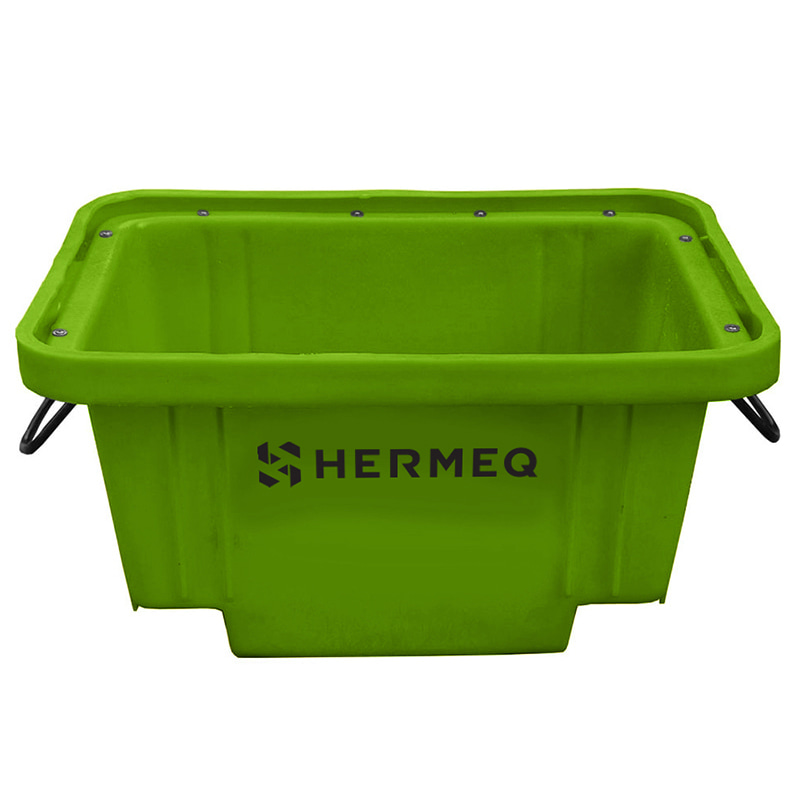
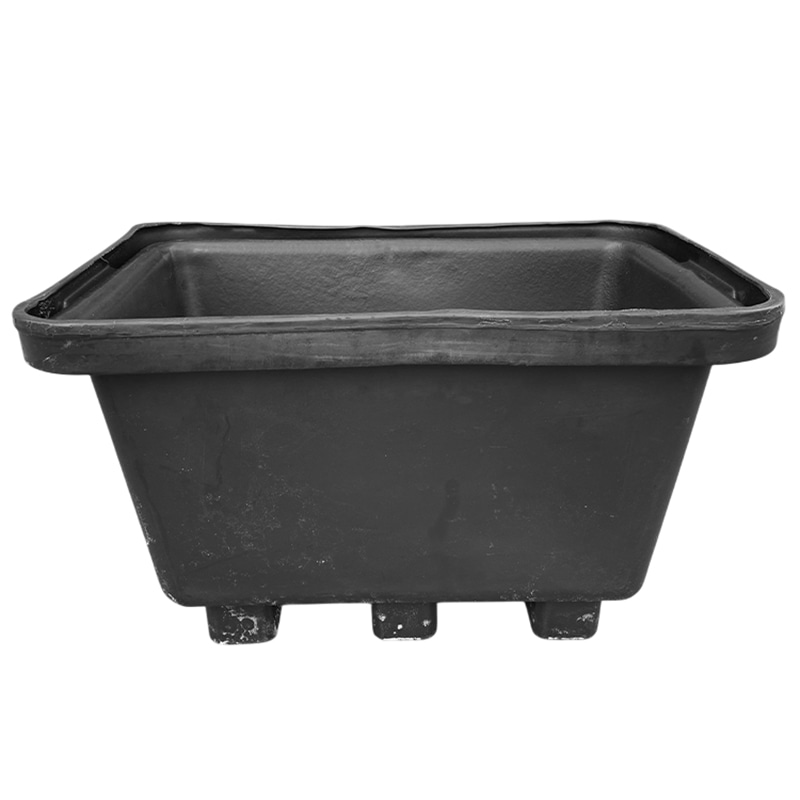
Forklift mortar tubs and crane lifting crates
Only part of the range is built to be lifted by crane or telehandler as well as carried on forks, so the lift method is the check to make before any site handling container is bought.
Fork and crane mortar tubs
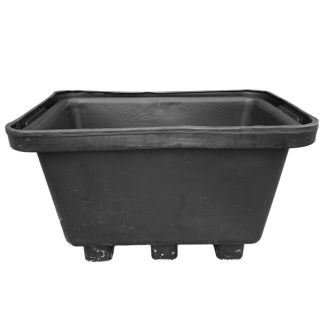
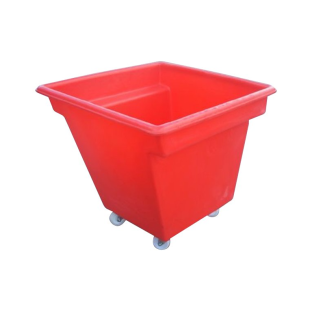
The fork and crane mortar tub holds 250 litres and is made from UV-resistant plastic to be lifted by crane or telehandler as well as moved by forklift. It is the tub for supplying a bricklaying gang working off a scaffold lift, a slab or a roof, and it brings waste back down on the return lift.
Forklift mortar tubs
The black forklift mortar tub is the same 250 litre capacity in recyclable HDPE, with fork channels for standard forklifts and no provision for crane lifting. It suits mortar handled on forklift forks around the yard and the site. Where a tub has to go up by crane, choose the fork and crane tub.
Lifting crates and telehandler cages
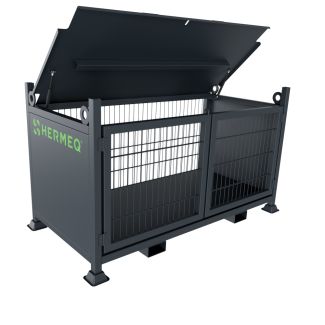
The forklift and crane lifting crate is a lockable sheet steel crate with crane lifting eyes, for keeping tools and heavy kit secure overnight and lifting them to the floor where the work is. The forklift telehandler cage moves loose material and equipment by forklift, Teleskip or crane, with lashing points to hold the load and doors or side ramps for loading.
Pallet sizes, load capacity and stacking
Footprint comes first because it has to suit the racking, the vehicle and the handling kit already in use, and the load rating and stacking height follow from what goes inside.
Euro and 1200 x 1000 footprints
Pallets, pallet boxes, stillages and wire cages are each available on both the Euro 1200 x 800 footprint and the 1200 x 1000 footprint, so a store can keep one footprint from pallet to box to cage. With one footprint, every container sits on the same racking beams, packs a lorry bed in the same pattern and fits the same pallet trucks. Mixing footprints in one rack or one load leaves gaps and overhangs that make stacks and loads less stable.
Load capacity and stacking height
Cages and stillages run from 600 kg up to 1500 kg, and the right one is rated for the heaviest load it will ever carry, with a margin for loads that sit unevenly. Many stillages, cages and drop door boxes stack up to four high, so the load rating and the planned stacking height decide the choice together, and size comes after both.
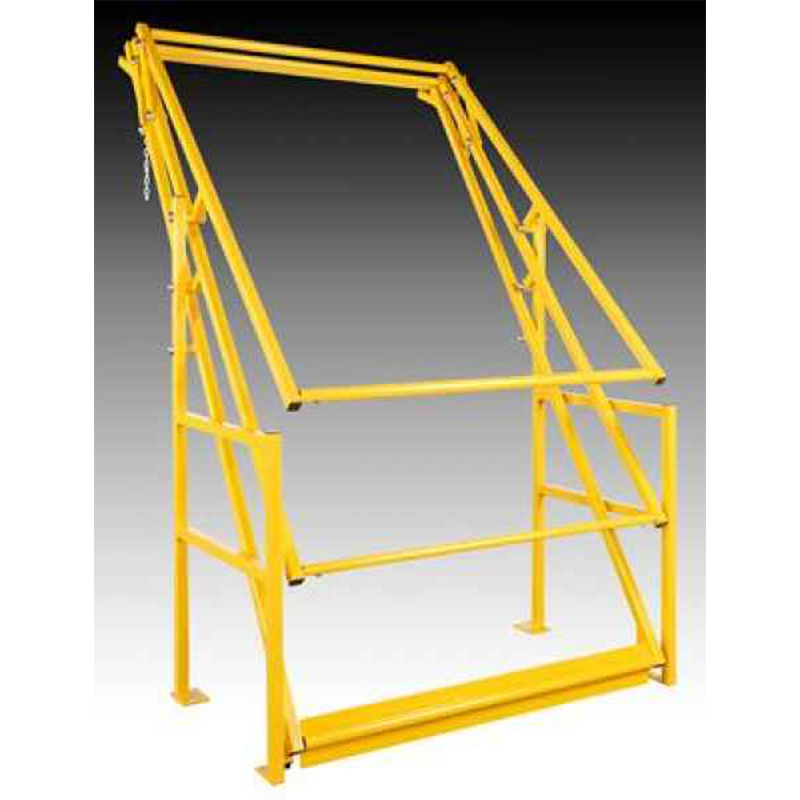
Pallet gates for mezzanine floors
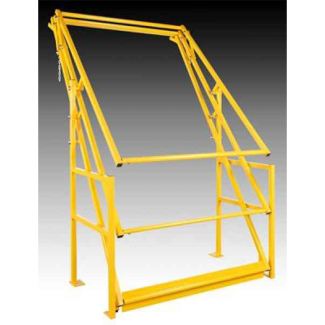
A pallet gate keeps a mezzanine edge closed at every stage of loading. While the forklift places a pallet in the bay, a barrier on the platform side guards the people working on the mezzanine, and once the forklift has moved away the gate swings over so the pallet can be pulled into the storage area.
Headroom and pallet height are the first things to measure. The low ceiling pallet gate is made to order, needs little clearance above the pallet and takes the tallest pallets, so it suits both low ceilings and high loads. The tall pallet gate is made to order to the width of the opening, for pallets up to 1650mm high. Where a handrail has one gap to fill, the basic pallet gate closes it. The safety pallet gate comes in a single standard size and is a cost-effective way to add safe pallet access. For loads lifted by crane or hoist, the pallet gate with crane access has full through access and no height limit other than the ceiling.
Popular Categories

Tipping Skips
View Products >

Forklift Attachments
View Products >

Lifting Equipment
View Products >
Frequently Asked Questions
Plastic pallets are the better choice where hygiene, moisture or repeated use matter, because they keep a consistent shape, do not splinter or carry nails, and do not soak up water or grow mould. Timber pallets cost less to buy and are easy to repair, which suits one-way shipments where the pallet does not come back. For a closed loop, where the same pallets make many trips, plastic is the stronger choice.
Plastic pallets carry goods through storage, racking and distribution in food, pharmaceutical, automotive and general manufacturing, and in warehouses that run their own pallet pools. They also carry pallet boxes and loose stock between production lines inside a plant.
A plastic pallet is rated in three ways: a static load standing on a level floor, a dynamic load moved on forks or a pallet truck, and a racking load spanning open beams. The racking rating is the lowest of the three, so a pallet that carries a heavy load on the floor can carry less in a rack.
Yes. Plastic pallets fall outside ISPM 15, the international standard that requires wooden pallets and packaging to be treated, usually by heat, and marked before they cross a border, so they can travel to countries with controls on wood packaging without treatment.
Plastic pallets and boxes are washed with water and a suitable detergent, by pressure washer or in a pallet washer, then left to drain and dry before reuse. Food and pharmaceutical areas add a full wash and sanitise routine to suit the site's hygiene rules.