







Water Storage Tanks
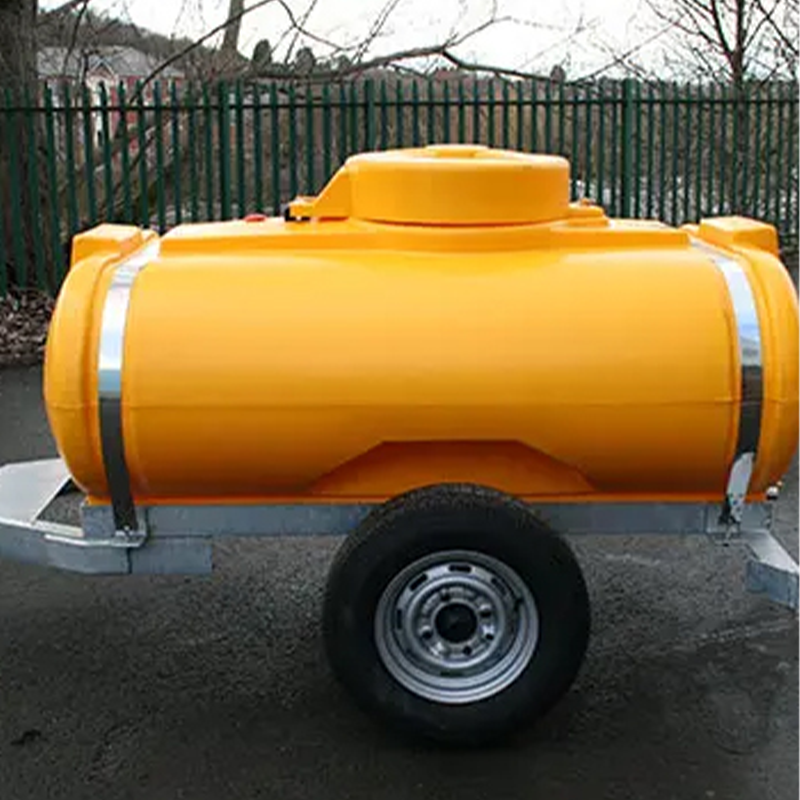
HERMEQ supplies water storage tanks for domestic, agricultural, commercial and industrial use, in potable and non-potable versions and in sizes from 710 to 25,000 litres. The tanks are rotationally moulded from polyethylene in a single piece, which gives them their strength. Water bowsers carry water to construction sites, industrial sites and roadside work, with baffles in the tank to stop the load surging in transit, and the highway bowsers are built for towing on the public road. Static tanks store potable and non-potable water at the point of use, from a site compound to a farmyard or a factory.
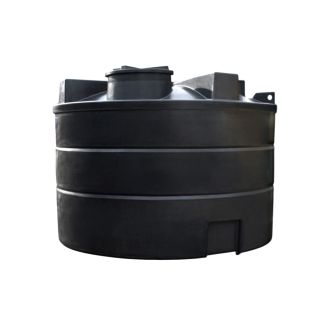
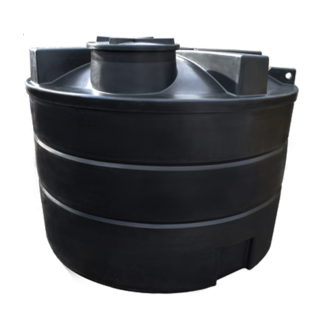
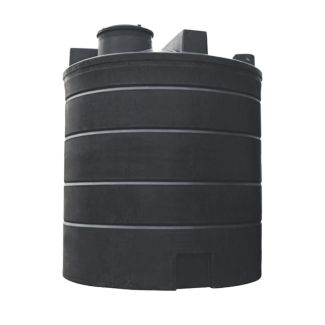
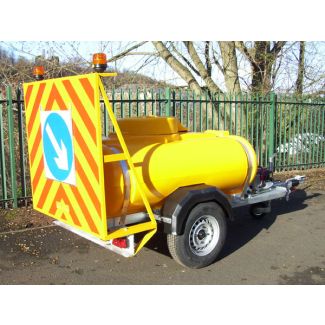
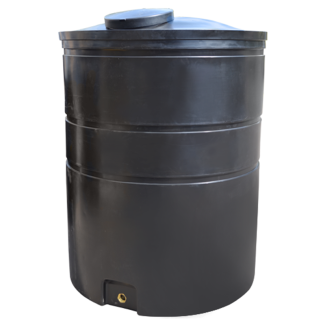
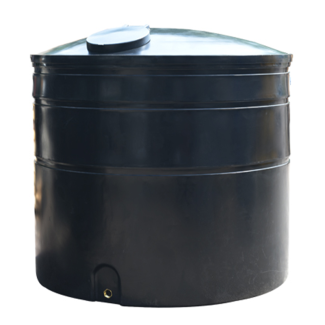
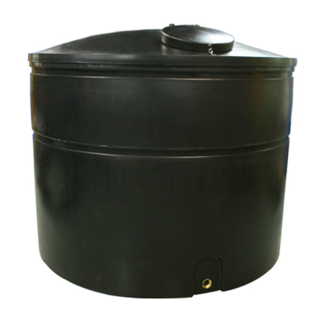
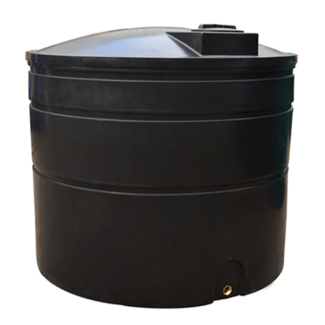
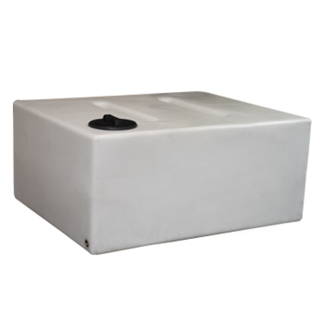
Static and portable water storage tanks
Static tanks hold water where it is used, portable tanks travel with the work, and for pallet-sized volumes moved by forklift there are IBC tanks.
Above ground water tanks
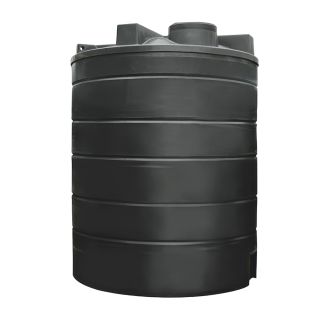
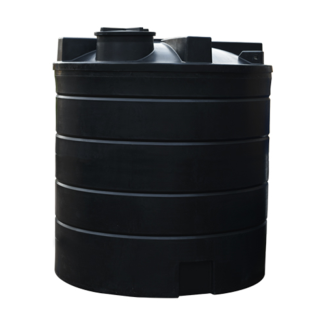
Fixed storage at a yard, depot, farm building or long-running site compound is the job for a free-standing static tank on a prepared base, where the water level is easy to check and the tank is easy to reach for refilling and cleaning. The range runs up to 25,000 litre water tanks, each size in potable and non-potable versions, so capacity can be matched to the space and the daily demand.
WRAS approved potable water tanks
For drinking water stored above ground, the WRAS approved potable water tanks are moulded from MDPE that carries WRAS approval as a material for drinking water, and UV stabilised for outdoor positions in strong sun and hard weather.
Insulated water tanks
Water that must not freeze in winter or warm up in summer goes in insulated water tanks, which are built with a double wall and multilayer foil insulation inside it. Because the insulation is part of the tank, there is no separate jacket or kit to fit and maintain outdoors, and the tanks come in potable and non-potable versions. Choose one for exposed sites, for tanks standing in full sun and for supplies that feed welfare taps through the winter.
Underground water tanks
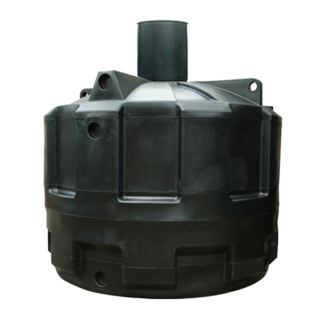
A buried tank is out of sight and out of direct sunlight, holds its water at a steadier temperature and leaves the yard or garden clear. The underground water tanks are potable, moulded from WRAS approved MDPE, and suit a buried drinking water supply for a house, a farm or a commercial building.
Industrial water tanks
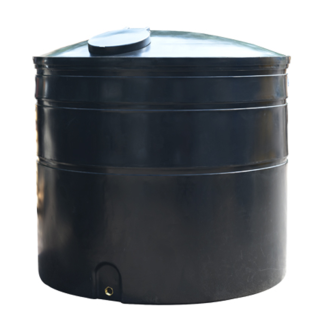
Outdoor non-potable storage for commercial premises and farms is the work of the industrial water tanks. They are frost-proof, so the walls do not crack in cold weather, and opaque, which limits the light reaching the water and the algae that would grow in it. Choose them for rainwater harvesting and for wash water that stays outside all year.
Stackable drinking water tanks
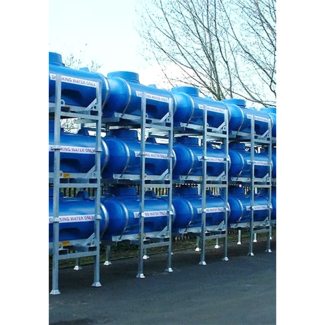
Drinking water that has to be stored, moved and handed out is held in 1125 litre stackable drinking water tanks, which stack three high empty and two high full and have several lockable taps.
Portable water tanks for vans
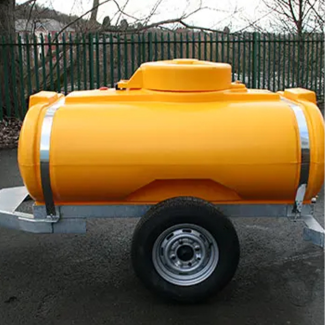
Water carried in the back of a car or van to jobs with no supply goes in bowser water tanks, compact tanks with baffles moulded in to stop the water surging when the vehicle brakes or turns. A bottom outlet takes a tap, a ball valve or a pressure washer feed, so the tank becomes the supply for washing down or topping up on arrival.
Brine tanks
Brine, a solution of salt in water, is heavier than water, so it loads the walls and base of a tank more than the same volume of water does. The brine tanks are moulded with extra thick MDPE walls for that load and in opaque plastic to limit algae, so brine storage belongs in a brine tank and a standard water tank stays on water. Fuel, oils and other liquids are covered under storage tanks, and acids and hazardous substances under chemical storage.

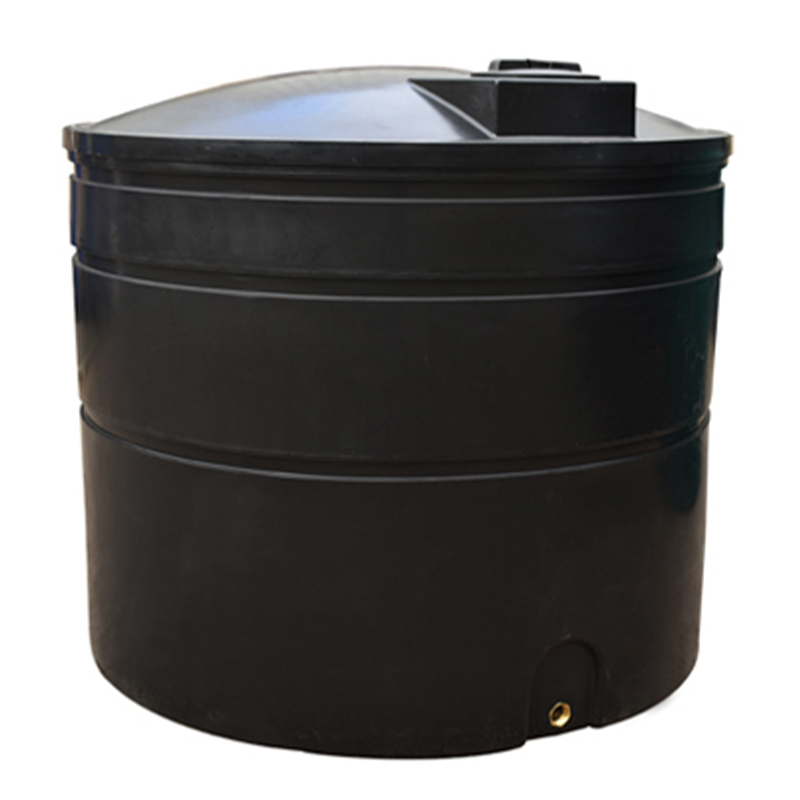
Potable or non-potable water tanks
The end use of the water decides the choice: anything people drink, wash with or use to prepare food goes in a potable tank, and every other job can use a non-potable one. Potable tanks are made from materials approved for contact with drinking water, so the tank does not taint or contaminate what it holds, and they belong on welfare units, canteens and drinking water points. Non-potable tanks hold water for dust suppression, wheel washing, pressure washing, irrigation and rainwater harvesting.
Once a tank has held non-potable water, it stays on non-potable work. Sediment, biofilm and residues from rainwater, wash water or an untreated source can remain in the tank and its fittings after draining, and the practice is never to return such a tank to drinking water use. A potable tank can move to non-potable duty, but the move only goes one way.
Water tanks for welfare and rainwater harvesting
Welfare units and drinking water on site
Hand basins, showers, kettles and toilets in a welfare unit all draw on the same supply, so the tank is potable and sized to the number of people on site and the time between refills. A static potable tank in the compound can be topped up from the mains or a tanker, and a towable water bowser for welfare units takes water to a welfare cabin, toilet block or shower trailer standing away from the supply.
Rainwater harvesting and irrigation
Harvested rainwater is non-potable and can stand for weeks between wet spells, so it goes in a non-potable above ground water tank or, where the store stands outside all year, an industrial water tank, fed from the downpipes of a roof. The stored water goes to irrigation, wash-down and toilet flushing, and a watering bowser carries it to planting on roadside verges, in parks and on landscaping schemes.
Emergency drinking water and events
Stackable drinking water tanks are kept empty in a store and filled when a supply outage, a boil water notice or an event calls for them. Their lockable taps let staff control who draws water and keep the outlets closed between uses.
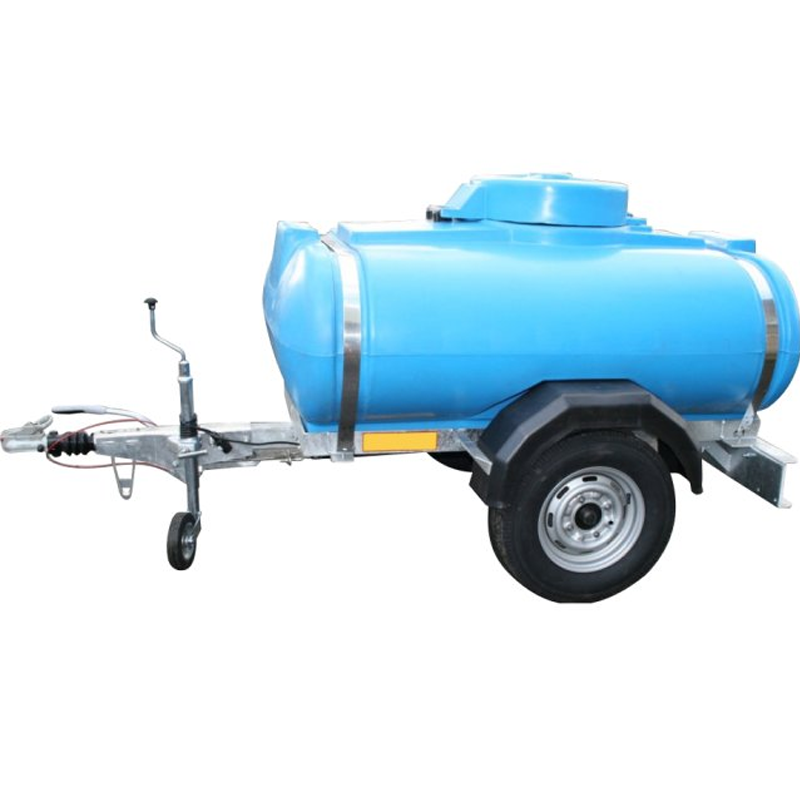
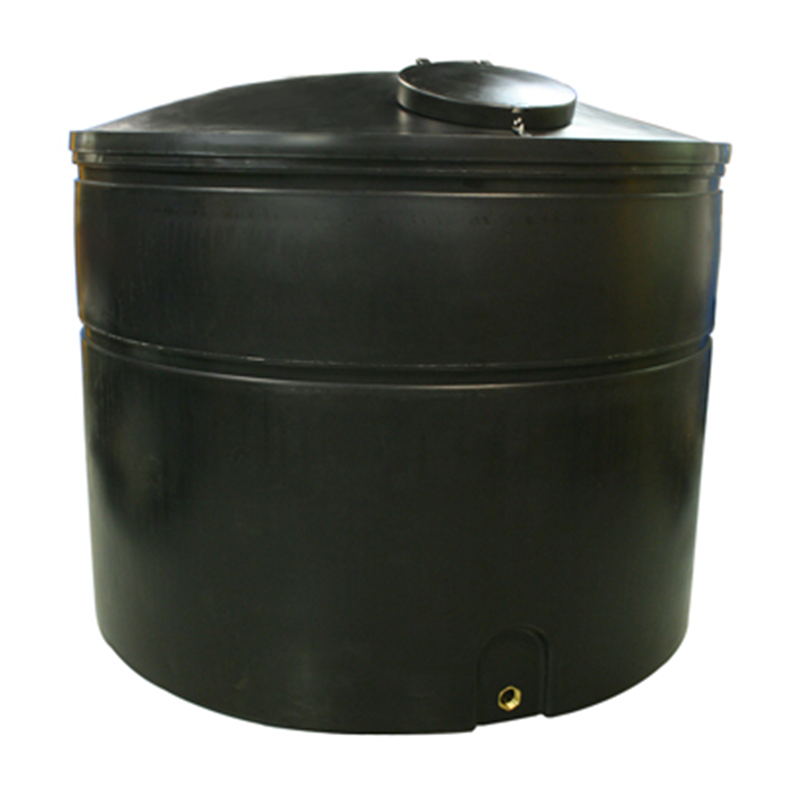
Water tank sizes, siting and connections
Capacity and refill interval
The right size is daily use multiplied by the days between refills, plus a margin for a late tanker, a breakdown or a dry spell. For rainwater, the roof area and the longest dry period the use has to cover set the size. Where refills are hard to arrange, go up a size.
Above ground or underground
Only the underground tanks are built to be buried. An above ground tank is designed to stand free, and soil pressing on its walls from outside is a load it is not made for, so it is never buried or banked up with earth, even in part. Where storage has to go below ground, choose an underground tank and follow its installation instructions for excavation, bedding and backfill.
Base, access and offloading
A full tank carries the weight of every litre in it, so a large tank needs a level, solid base larger than its footprint, such as a concrete slab or compacted and levelled hardcore, with no stones or edges pressing into the tank floor. Before a large tank arrives, check that the lorry can reach a point where the tank can be offloaded and moved to its final position, with no overhead lines, soft ground or narrow gateways in the way, and that the base is finished.
Outlets and connections
Some tanks come with a choice of outlet size, and the outlet has to match the pump, hose or tap it will feed. A larger outlet suits a pump filling a bowser or supplying irrigation at high flow, while a standard outlet suits a tap or a gravity feed.
Water bowsers and pumps
Site and highway water bowsers
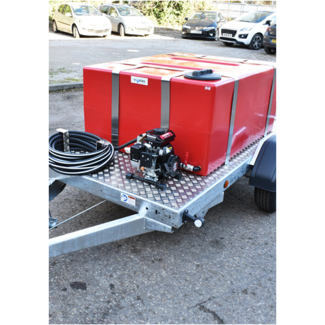
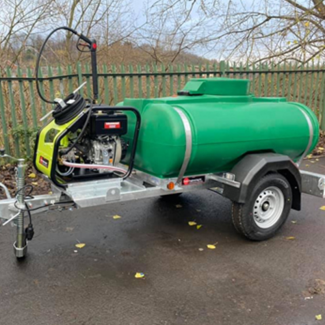
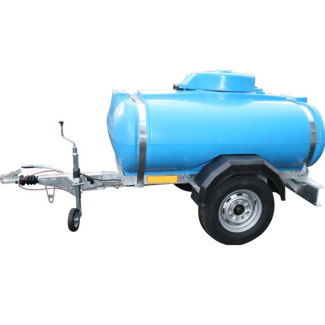
Towed around a site, site water bowsers carry water for dust suppression, plant watering, pressure washing and topping up. A highway water bowser is built for towing on the public road, with a galvanised steel chassis and heavy duty running gear, and it comes with or without a pump. For cleaning plant, vehicles and yards away from a mains supply, a pressure washer bowser carries the water tank and the washer on one towable trailer.
Booster pumps
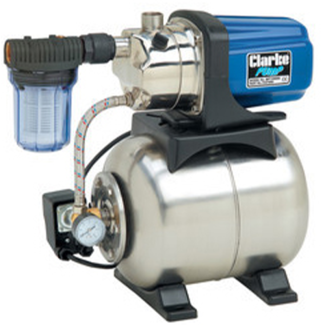
A booster pump raises or holds the pressure of water drawn from a tank, so a static tank can supply taps, showers or a hose some distance away. Fit one where gravity alone gives too little pressure at the outlet.
Submersible water pumps
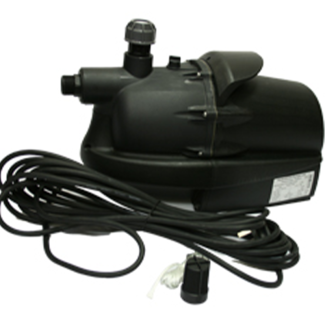
A submersible water pump works fully submerged in the water it moves, for lowering groundwater in excavations and pumping out wastewater. It is a drainage pump, so a tank feeding taps or a welfare unit takes a booster pump.
Popular Categories

Stillages, Bins & Cages
View Products >

IBC Containers & Steel Drums
View Products >

Wire Mesh Pallet Cages
View Products >
Frequently Asked Questions
Plastic water tanks are usually made from medium density polyethylene (MDPE), and the moulded tanks in this range are rotationally moulded polyethylene. In rotational moulding, powdered polymer is heated inside a rotating mould until it coats the inside evenly, which gives an even wall thickness all round. Potable tanks use MDPE approved for contact with drinking water, and outdoor grades are UV stabilised against sunlight.
A cylinder spreads the pressure of the water evenly around its wall, with no flat panels or corners to bow outwards under load. The round shape also suits rotational moulding and holds more water for the material used than a square tank of the same height.
Keep the lid sealed and the inlet and overflow screened so that insects, leaves and vermin stay out, and keep light away from the water with opaque walls or a shaded position to limit algae. Drain the tank periodically and clear sediment from the floor. Potable tanks feeding welfare or drinking water taps are normally cleaned and disinfected on a set schedule and after any contamination.
A potable tank should be made from materials approved for contact with drinking water, so that the tank does not taint or contaminate what it holds. Each product listing names the approval its material carries, such as WRAS approval for the MDPE used in the WRAS approved and underground potable tanks. For a workplace or public drinking water supply, the tank also has to be installed, cleaned and maintained so the water stays fit to drink.
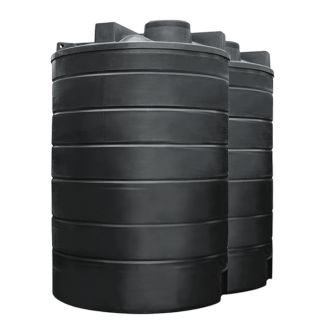
Two or more tanks can be linked with pipework between their outlets so that they fill and draw down together, which adds capacity where one larger tank would not fit or could not be delivered to the position. The tanks should stand at the same level on the same base. An isolation valve on each connection lets either tank be shut off for cleaning or repair.
Yes. The highway water bowser is sold with or without a pump, and a booster pump fitted to a static tank raises the pressure to taps, showers or a hose some distance away. The bowser water tanks for vans have a bottom outlet that can feed a pressure washer.
The above ground water tanks come in 6,000, 7,200, 10,000, 15,000, 20,000 and 25,000 litre sizes, each in a potable and a non-potable version, plus a 5,600 litre potable tank and a 5,500 litre non-potable tank. The insulated tanks run from 3,000 to 10,000 litres, the WRAS approved potable tanks from 5,000 to 7,000 litres and the underground potable tanks from 5,600 to 15,000 litres. The bowser water tanks for vans hold 710 to 1,000 litres.