







Traffic Cones and Road Cones
Traffic cones, also called road cones or safety cones, mark hazards, close lanes and guide drivers and pedestrians on roadworks, building sites, car parks and events. The range is led by one-piece MPL cones, two-piece Starlite cones and Mastercones, which direct vehicles and people away from hazards, and sits within HERMEQ's wider traffic management equipment range. For night working, cone lamps fit onto the cones and give drivers an early warning after dark, and cone mounted signs carry a written message at the hazard itself.

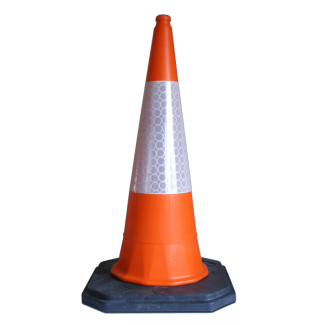

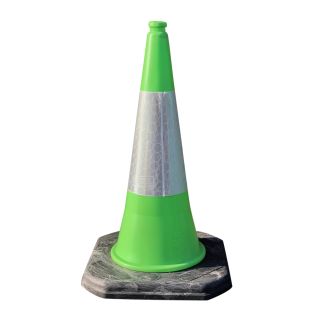
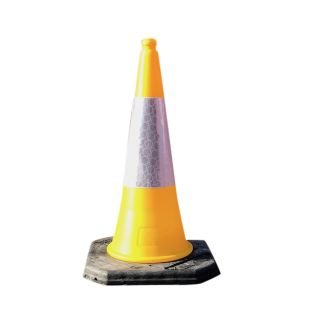
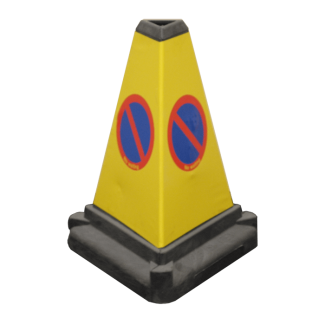



One-piece and two-piece traffic cones
For car parks and private sites with slow traffic, the practical choice is a cone moulded in one piece, while public roads and work after dark call for two-piece cones with a reflective sleeve and a separate base.
MPL cones and road cones
Moulded as a single piece, MPL traffic cones are the everyday cone for car parks, yards and private land, where they close bays, mark hazards and guide drivers and pedestrians around an obstruction. For setting out work areas and temporary routes, choose the 75cm straight sided road cone or the 75cm recessed road cone.
Two-piece reflective cones
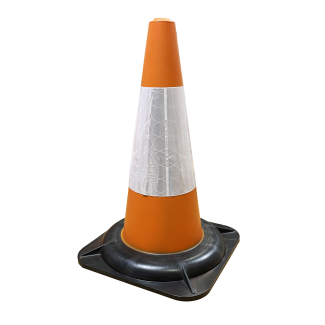
An orange cone body on a separate base, wrapped in a prismatic Starlux sleeve that reflects headlights in poor light, makes the Starlite traffic cones the general cone for roadworks and live traffic. The cone takes a lamp, so the same cone works by day and by night. Because body and base are separate parts, a damaged section can be replaced without discarding the whole cone. Mastercones share the two-piece build and Starlux sleeve, with an easy-grip blow-moulded top and an anti-slip PVC base, and HERMEQ supplies them in blue, green and yellow, each colour marking a different hazard.
No Waiting cones and bollards
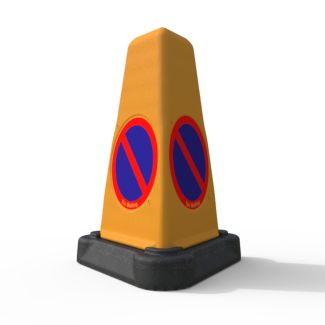
A printed No Waiting sleeve turns a cone into a no parking marker: No Waiting traffic cones keep drivers from stopping outside schools, in car parks and on private land, and the printed message tells them why the cone is there. The three-sided No Waiting bollard shows the restriction on each face, so it reads from every approach to an entrance or kerbside, and the No Waiting bollard does the same in a UV-stabilised body built for all-weather use.

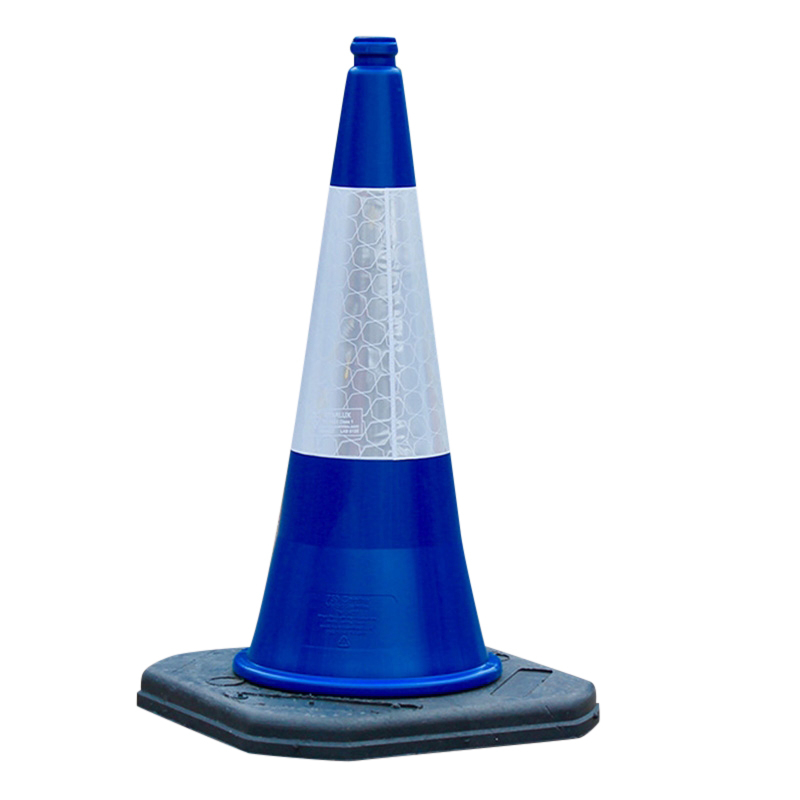
Blue, green, yellow and orange traffic cones
Colour lets a site set its own code for different risks, with orange for the general layout and blue, green and yellow placed only where a specific hazard needs its own warning, and the traffic management plan should record what each colour means on that job.
Blue cones for overhead structures
Set on the approach to overhead structures and low clearances, blue traffic cones warn the drivers of lorries and other tall vehicles of a collision risk ahead.
Green cones at site entrances
Turning points off a live carriageway, such as the turn from a dual carriageway into a works compound or a heavy plant crossing, are marked with green traffic cones. On the job's plan, the green cones mark where drivers slow for the turn and warn passing traffic that vehicles will be entering or leaving the road.
Yellow cones for no stopping
Stretches of road where vehicles must not pull in are marked with the yellow Mastercone. It suits busy or fast-moving roads and frontages, where a stopped vehicle would block the flow of traffic or a works access.
Orange cones for general traffic management
Everyday cone work, from tapers and lane closures to cordons around work areas and temporary routes, is done in orange. The Starlite cone is supplied in orange for this work, and drivers read orange as a general warning to slow down and follow the line.
Small, 750mm and 1 metre traffic cones
Height sets how far away a driver sees a cone, and the range runs from small traffic cones up to 1 metre two-piece cones. Small cones, among them the Euro traffic cone and the smaller MPL cone, suit pedestrian areas, car parks, loading bays and short cordons, where vehicles move slowly and a tall cone would get in the way.
The 750mm cone is the general height for building sites and most roadworks, and most of the range is made at that height. Starlite cones and the blue and green Mastercones also come in the taller size for faster roads, where a driver approaching at speed needs to read the cone line from further back.
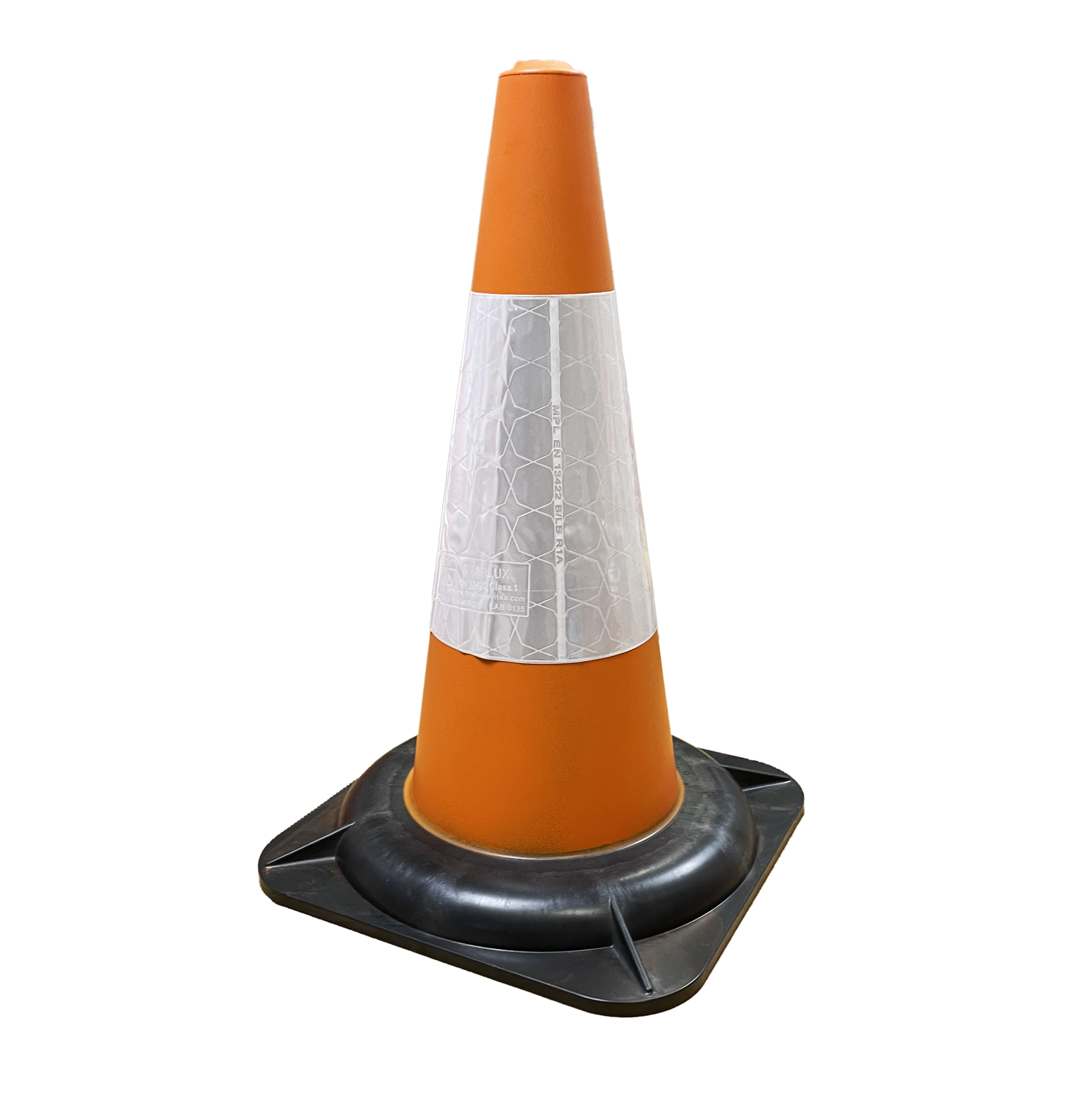
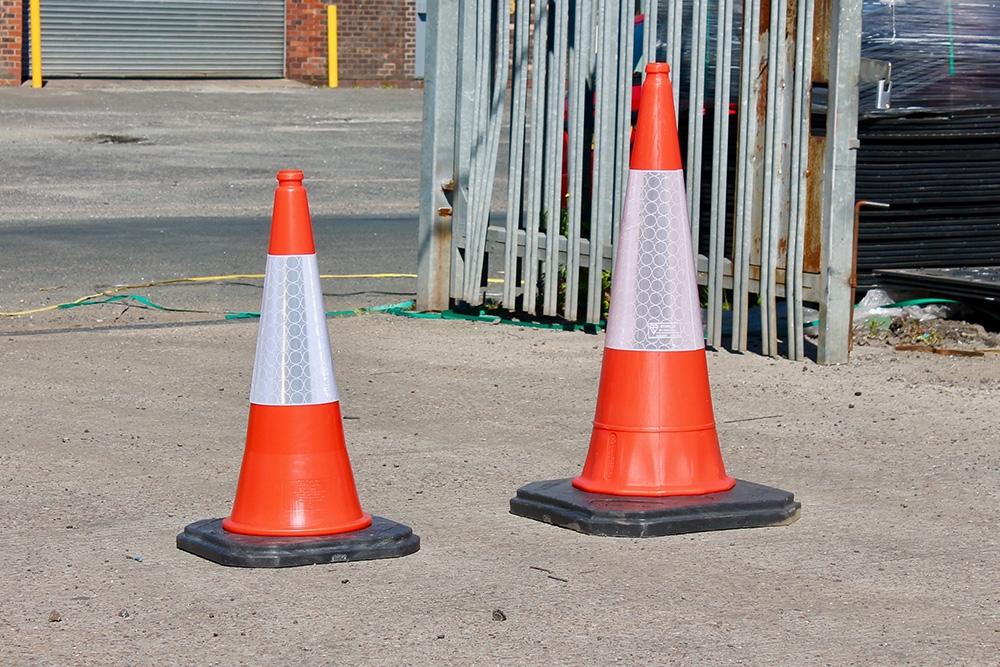
Cones for roadworks, building sites and car parks
The setting decides which cone to use and what to put with it, from lamps on a live road to self-righting markers in a car park.
Roadworks and live carriageways
The layout of temporary traffic management on a public road is planned under the Department of Transport's Traffic Signs Manual, Chapter 8, and the traffic management plan for each job sets the cones, signs and lamps it needs. For this work, choose two-piece Starlite traffic cones, which take a cone lamp for night shifts, in the 1 metre size where traffic approaches at speed.
Construction sites and plant routes
On building sites, cones mark work areas, plant routes, loading zones and the edges of pedestrian walkways, and they move easily as the work moves. A cone guides traffic and does not stop it, so where vehicles or plant must be physically kept out of an area, use road barriers or water filled barriers and keep cones for marking the route.
Car parks and private land
Closing bays, blocking off a level and marking temporary routes during resurfacing or line marking are jobs for one-piece cones. Where cars brush past a marker every day, at lane dividers, ramps and the ends of parking rows, flexi cylinders are the better choice, because they take a strike from a vehicle without damaging it and stand back upright afterwards.
Traffic cones with lights, poles and signs
Lamps add visibility after dark and links close the gaps between cones, so the accessories chosen follow the working hours and the type of traffic.
Cone lamps and traffic cone lights
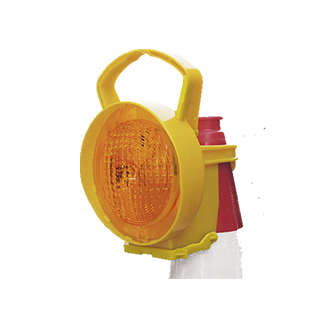
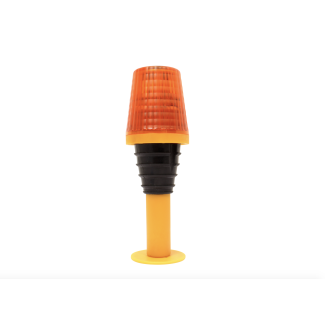
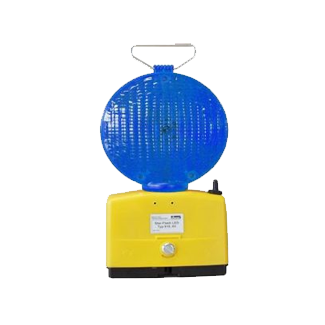
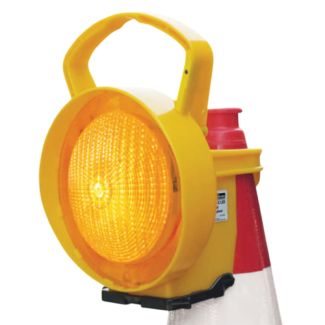
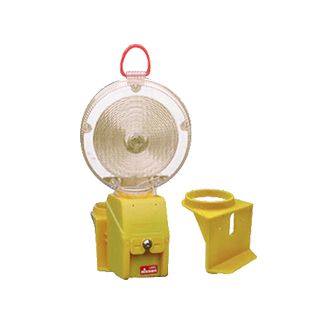
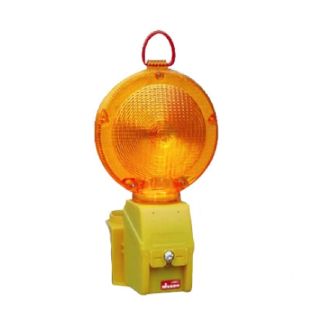
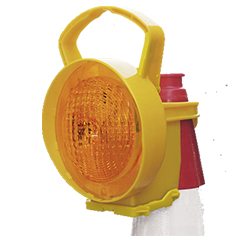
Attached to the top of a cone, a single lamp marks a hazard or lights a sign, with amber, blue, red, magenta and white lights across the models. The ConiLamp is the general one-sided cone lamp, with an integrated bracket for the cones in the range, and the traffic cone light fits the cone hole on Starlite cones and Mastercones with a choice of flashing settings. The white SignLite lights a work sign, the two-sided MonoLight gives a steady or flashing light, and the high-intensity Star-Flash marks hazards in poor visibility, and all of them sit in the cone lamps category.
Sequential taper lamps for night tapers
At night on motorways and dual carriageways, a lane closure needs lamps that lead drivers towards the open lane. The sequential taper lamp attaches to a cone and links to the next lamp by infra-red, so the run of lamps flashes in sequence along the taper. Setting up needs no keys or tools.
Cone poles, chain and retractable barrier
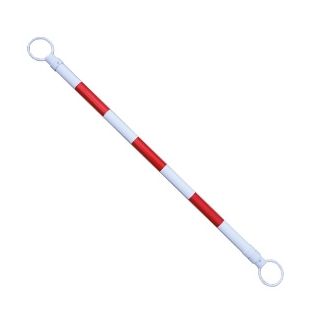
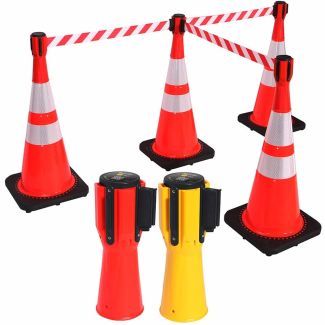
Fitted over the heads of two cones, telescopic cone poles extend to the gap and pivot, so a line of cones can follow a curve, and they fit MPL, Starlite and Mastercones. A length of cone chain threads between cones to close off an exclusion zone. The cone mounted retractable barrier fits on a cone and draws a chevron tape across to the next, for a quick cordon that retracts when the job is done.
Cone mounted signs
A sign mounted on the cone puts a short written warning or instruction at the hazard, where a cone on its own shows only that something is there. Choose the message from the cone mounted signs range.
Popular Categories

Road Barriers
View Products >

Water Filled Barriers
View Products >

Roadworks Signs
View Products >
Frequently Asked Questions
Road cones and safety cones are the most common other names, and traffic management cones is also used in the trade. Smaller cones are sold as mini or small traffic cones.
The cones in the range are made from plastics. The MPL cone is moulded from recycled thermoplastic, the Starlite cone combines virgin HDPE with recycled PVC, Mastercones have a recyclable PVC base, and the Euro traffic cone is made from recycled material.
EN 13422 is the European standard for portable cones and cylinders used in temporary traffic management, published by the NSAI as I.S. EN 13422. It sets requirements for a cone's colour, reflective performance and stability. In the HERMEQ range, the Euro traffic cone is made to its performance requirements, and the UV-stabilised No Waiting bollard has a sleeve that conforms to it.
On a public road, spacing is set by the Traffic Signs Manual Chapter 8 and the job's traffic management plan, and depends on the speed limit and the length of the taper, with cones closer together on a taper than along a straight run. On private sites, set cones close enough that drivers read them as one continuous line.
Stack cones by model, height and colour, so a crew can load exactly what the next plan calls for. Wash road dirt off reflective sleeves before storage, because a dirty sleeve returns less light to drivers. Check bases and sleeves for damage as the stacks are made up, and set aside any cone that needs a replacement part.