







Wheelie Bins
HERMEQ supplies wheelie bins on two and four wheels, with the HDPE bins built to EN 840. The range covers 80, 120, 240, 660 and 1100 litre sizes in a choice of colours for separating waste streams, for domestic, commercial and industrial use.
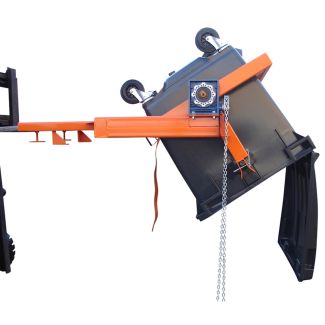
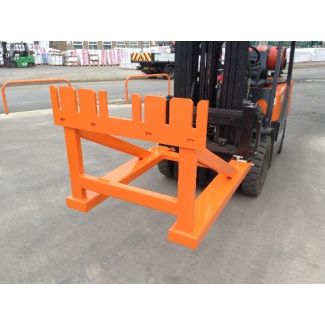
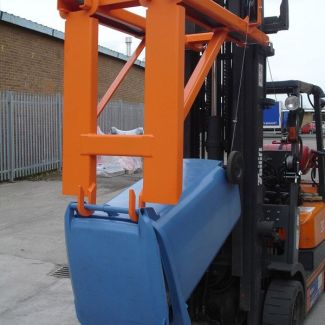
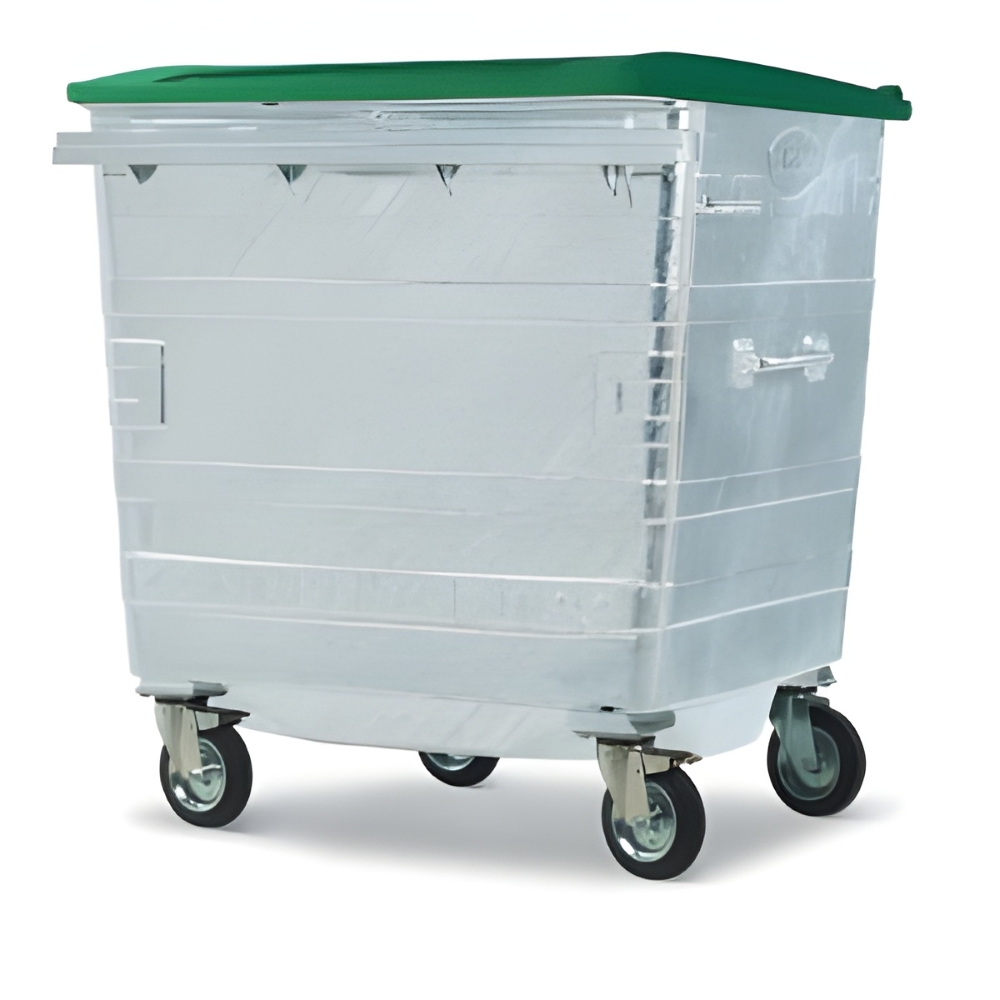
For heavier handling, the galvanised steel 1100 litre bin has internally welded seams that keep water out of the joints and resist corrosion. The industrial wheelie bin tipper lets a forklift lift, move and empty 660 and 1100 litre bins on site, so large bins are tipped without manual lifting.
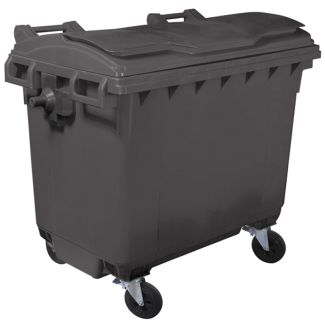
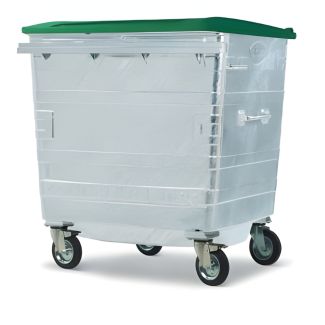
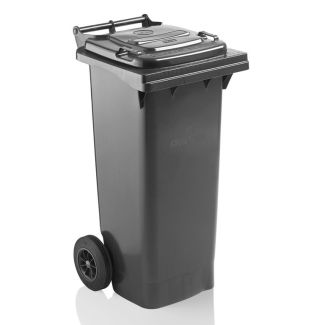
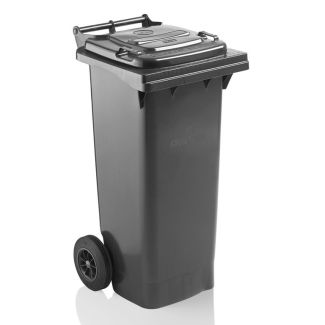

Wheelie bin sizes
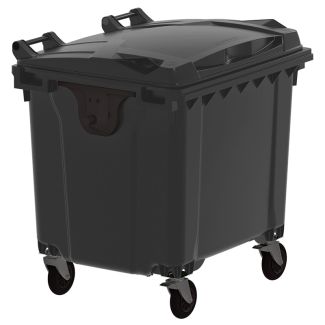
Bins up to 240 litres run on two wheels and are sized for kerbside collection, while the 660 and 1100 litre bins run on four castors, the format the trade calls a euro bin or continental bin, and suit bin stores and commercial collection.
80 litre wheelie bins
The 80 litre wheelie bin is the smallest size in the range and takes up very little floor space. It suits apartments, offices and small facilities with low volumes, and it gives a light or separate stream, such as food waste or glass, its own bin beside a larger general waste bin.
120 litre wheelie bins
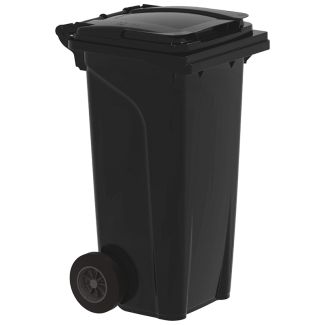
The 120 litre wheelie bin is the compact household size. It suits a small household, a single office or a shop with a modest weekly volume, and it is a common choice for a second or third stream where space at the kerb or in the yard is tight.
240 litre wheelie bins
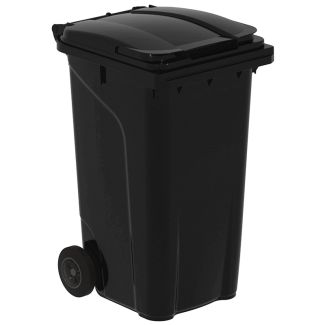
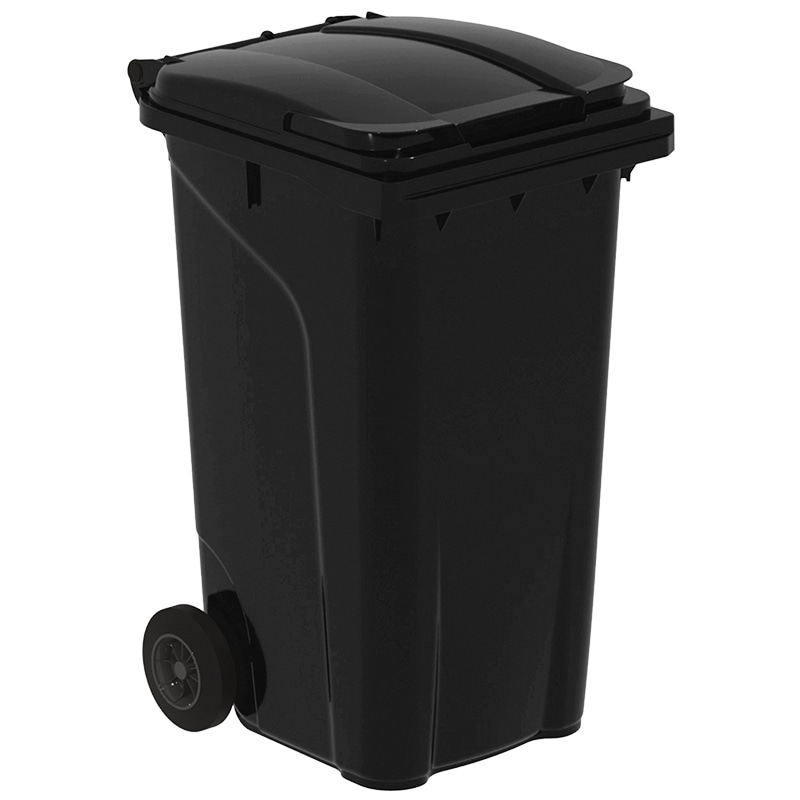
The 240 litre wheelie bin is the largest two-wheeled size and the one most households use for general waste and recycling. Shops, cafés, site welfare units and small offices choose it where one bin per stream holds everything between collections, and one person can still wheel it to the collection point.
660 litre wheelie bins
The 660 litre wheelie bin is the four-wheeled bin for a narrow bin store, service passage or yard corner where the largest four-wheeled bin will not fit. Its narrower profile still lets one container take the place of several two-wheeled bins, so a tight store holds fewer, larger bins.
1100 litre wheelie bins
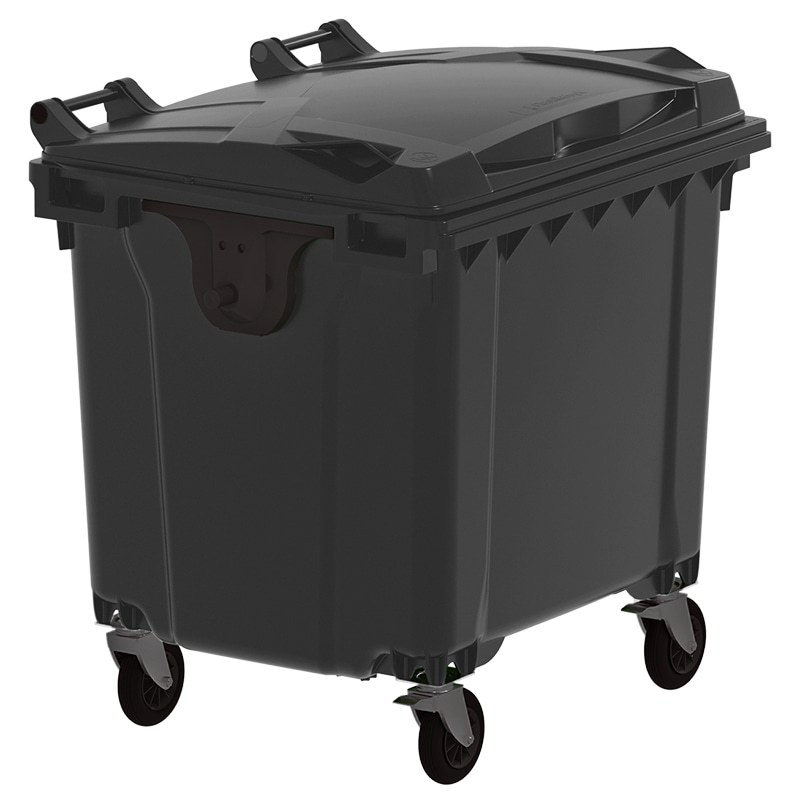
The 1100 litre wheelie bin is the largest size in the range and the standard container for apartment blocks, hotels, restaurants and industrial units with high volumes of waste and recycling. Where the bin store has room for it, one bin per stream keeps the number of containers, and the time the collection crew spends at each property, to a minimum.

Lockable wheelie bins
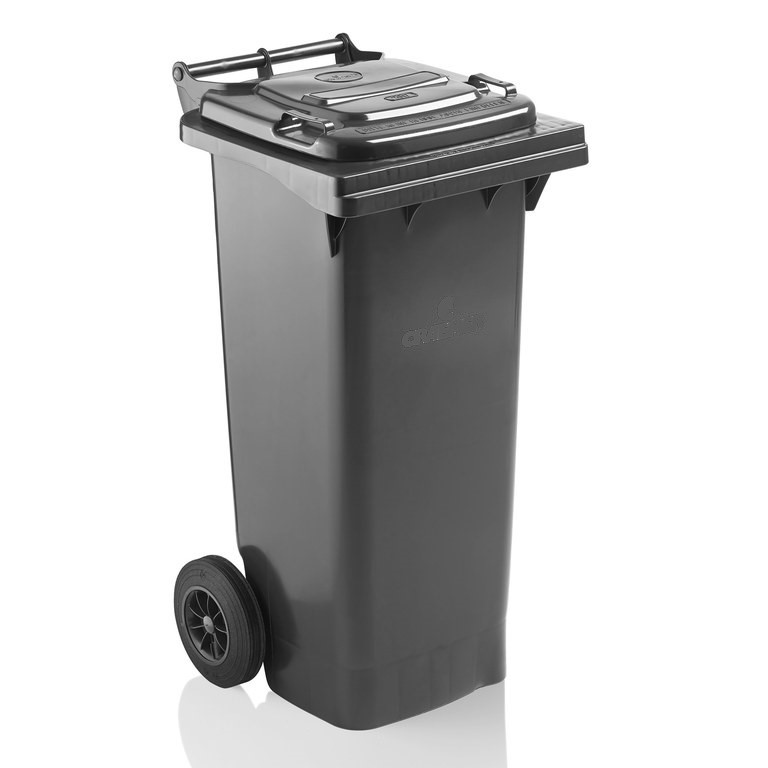
Both lock formats come in sizes from 80 to 1100 litres and keep other people's waste out of the bin, which cuts contamination of recycling streams and illegal dumping, so the choice between them comes down to who needs to open it.
Allen key lockable bins
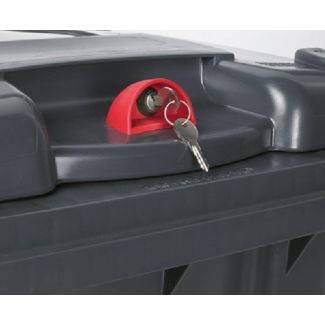
The lockable wheelie bin with an Allen key lock suits staff-managed bin stores at offices, schools, hotels and sites, where a caretaker or the collection crew carries a standard key. The lock stops casual use of the bin without leaving a set of individual keys to manage.
Key and lock wheelie bins
The key and lock wheelie bin has a keyed lock, so only the people given a key can open it. It suits apartment blocks, shared yards and public-facing premises where passers-by or neighbouring businesses could otherwise fill the bin, and where access is limited to named residents, tenants or staff.
Plastic or galvanised steel 1100 litre bins
At 1100 litres the range holds an HDPE bin and a galvanised steel bin, and the choice turns on how hard the bin is handled and how it is coded. The HDPE bin is the lighter of the two to push across a yard and comes in a colour for each waste stream, and it suits apartment bin stores, hospitality, retail and offices, where bins are wheeled out by hand and sorted by colour.
The galvanised steel 1100 litre bin suits industrial yards, depots, manufacturing sites and busy commercial service areas, where bins are knocked by forklifts, cages and trolleys every day and stand in wet yards between collections. Choose steel where the bin spends its working life alongside plant and handling equipment, and choose HDPE where colour coding and easy pushing matter more.
Wheelie bin colours and waste streams
The HDPE wheelie bins come in black, blue, green, red, yellow and brown, and every colour except brown is available in the 80 litre size. Household collections usually run green for dry recyclables, brown for food and garden waste and black for general waste, but the waste collector sets the code for its own streams, including glass, so a red or yellow bin holds whichever stream the collector or the site assigns to it.
A site matches its bins to its collector's streams before ordering and keeps the same colour for the same stream in every bin store, canteen and yard it runs. One code across all locations means staff, residents and contractors learn it once, and a label naming the stream on each lid settles any doubt where two collectors use different codes.
Industrial and commercial waste bins
What a setting throws away, and how its bins are emptied, decides the size and format that suit it.
Construction sites and compounds
On a construction site, wheelie bins take the light waste from welfare cabins, canteens and site offices, along with the packaging that comes off deliveries, and a colour per stream at the welfare unit keeps recyclables out of general waste. Rubble, soil, concrete and other dense waste go to tipper skips or waste skips, which are built for heavy loads, because a wheelie bin packed with spoil reaches its load limit long before it is full.
Apartments and shared bin stores
Capacity in a shared store follows the number of units and how often the collector calls, so a block on a weekly collection needs more litres per stream than one collected twice a week. Four-wheeled bins keep the number of containers down where floor space is limited, and lockable bins stop passers-by and neighbouring premises filling them where the store opens onto a street, lane or car park.
Shops, restaurants and offices
Most shops, restaurants and offices settle between 240 and 1100 litres per stream, chosen by how much of each stream builds up between collections. Restaurants and cafés separate food waste, glass and dry recyclables by colour, and a small office often runs better on a few two-wheeled bins than on one large container it fills slowly.
Warehouses and industrial units
Cardboard, pallet wrap and packaging fill bins quickly in a warehouse, so four-wheeled 660 and 1100 litre bins are the working size. Units with a forklift empty them on site into a skip or compactor, which saves wheeling full bins across the yard to the collection point.
Wheelie bin lifters, tippers and shelters
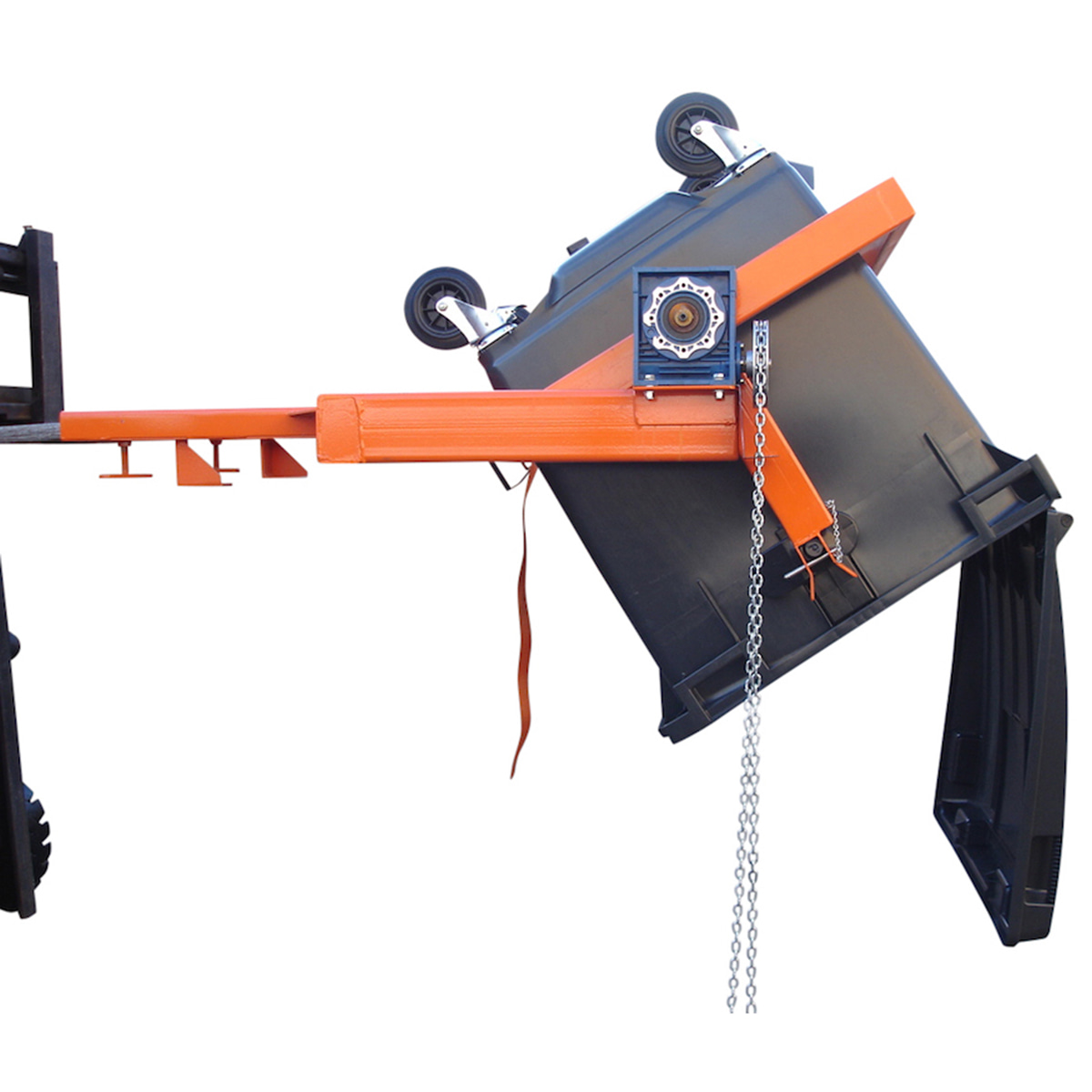
The handling equipment follows the bin: four-wheeled bins are emptied on a tipper, two-wheeled bins on a lifter, stacks of bins travel on a stacker, and shelters hold bins outdoors between collections.
Industrial wheelie bin tipper
The industrial wheelie bin tipper fits standard forklifts and lifts, moves and empties 660 and 1100 litre bins fitted with side trunnions. The operator tips the bin from ground level, so nobody handles a full four-wheeled bin over a skip edge. Before ordering, check that every four-wheeled bin on site has side trunnions, since a bin without them cannot go on the tipper.
Fork mounted wheelie bin stacker
The fork mounted wheelie bin stacker carries nested stacks of two-wheeled bins, or a stack of 1100 litre bins, on a forklift. It suits depots, local authority yards and facilities teams that hold bins in stock and move them in batches to vehicles, bin stores or new developments, in place of carrying them one at a time.
Hand crank wheelie bin lifter
The hand crank wheelie bin lifter mounts on forklift forks and lifts, moves and empties two-wheeled bins from 90 to 240 litres. It suits sites that gather many small bins from offices, canteens or production lines and empty them into a skip or compactor, where lifting each bin by hand is slow and puts strain on the person doing it.
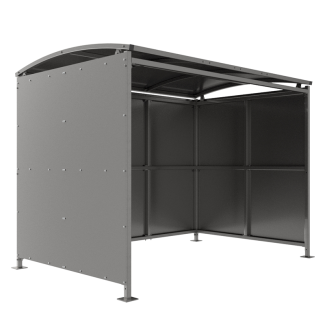
Bin shelters
Bin shelters are free-standing galvanised steel structures that house wheelie bins outdoors, under cover and in one ordered line. Each shelter takes extension bays, so a run can be lengthened as the number of bins grows, and the same shelter also houses trolleys and other equipment kept outside.
Popular Categories

Skips for Sale
View Products >

Forklift Tipping Skips
View Products >

Spill Kits
View Products >
Frequently Asked Questions
EN 840 is the European standard for mobile waste and recycling containers, published by the NSAI as I.S. EN 840. It sets the dimensions and lifting points that let a bin fit the comb and trunnion lifts on collection lorries, along with performance and safety requirements for the body, lid and wheels. The HDPE wheelie bins in the HERMEQ range are built to EN 840.
Most plastic wheelie bins, including the HDPE bins in the HERMEQ range, are made from high density polyethylene. HDPE is stiff and tough, takes impact well at low temperatures and resists the moisture and most of the chemicals found in household and commercial waste. The HDPE used in the range is cadmium-free.
The HDPE used in the range is UV-resistant, which slows the fading and brittleness that sunlight causes in unstabilised plastic. The 660 and 1100 litre HDPE bins are rated for use from -30°C to +80°C, well outside the temperatures a bin store sees in winter or summer.
On the four-wheeled bins in the range, the maximum load rises with capacity, up to 440 kg in an 1100 litre bin. Dense waste such as glass, food waste or soil reaches that limit before the bin is full. A heavy stream is better placed in a smaller bin or collected more often, and rubble belongs in a skip.
A used bin costs less, but its history is unknown: cracked bodies, worn wheels, damaged lids and broken combs or trunnions are common faults, and a previous owner's colour or markings may not match your collector's code. A collection lorry cannot lift a bin safely with a damaged lifting point. A new bin built to EN 840 arrives with intact lifting points and in the colour each stream needs.